How Home Gardening Supports a Sustainable Future
Discover how home gardening boosts sustainability, reduces carbon footprints, and promotes local food security. Learn practical tips to grow your own garden and help the planet.
How Home Gardening Supports a Sustainable Future
Home gardening has become more than a hobby; it’s a powerful tool for environmental stewardship. By cultivating plants in your own space, you can reduce transportation emissions, improve soil health, and create a local food source that supports community resilience.
The Environmental Benefits of Growing Your Own Food
When you grow vegetables, herbs, or fruit at home, you cut down on the miles traveled by produce from farm to store. This simple act can lower greenhouse gas emissions by reducing the energy needed for transportation and refrigeration. Additionally, home gardens often use less water than large commercial farms due to efficient irrigation practices and the ability to select drought‑tolerant species.
Soil Health and Carbon Sequestration
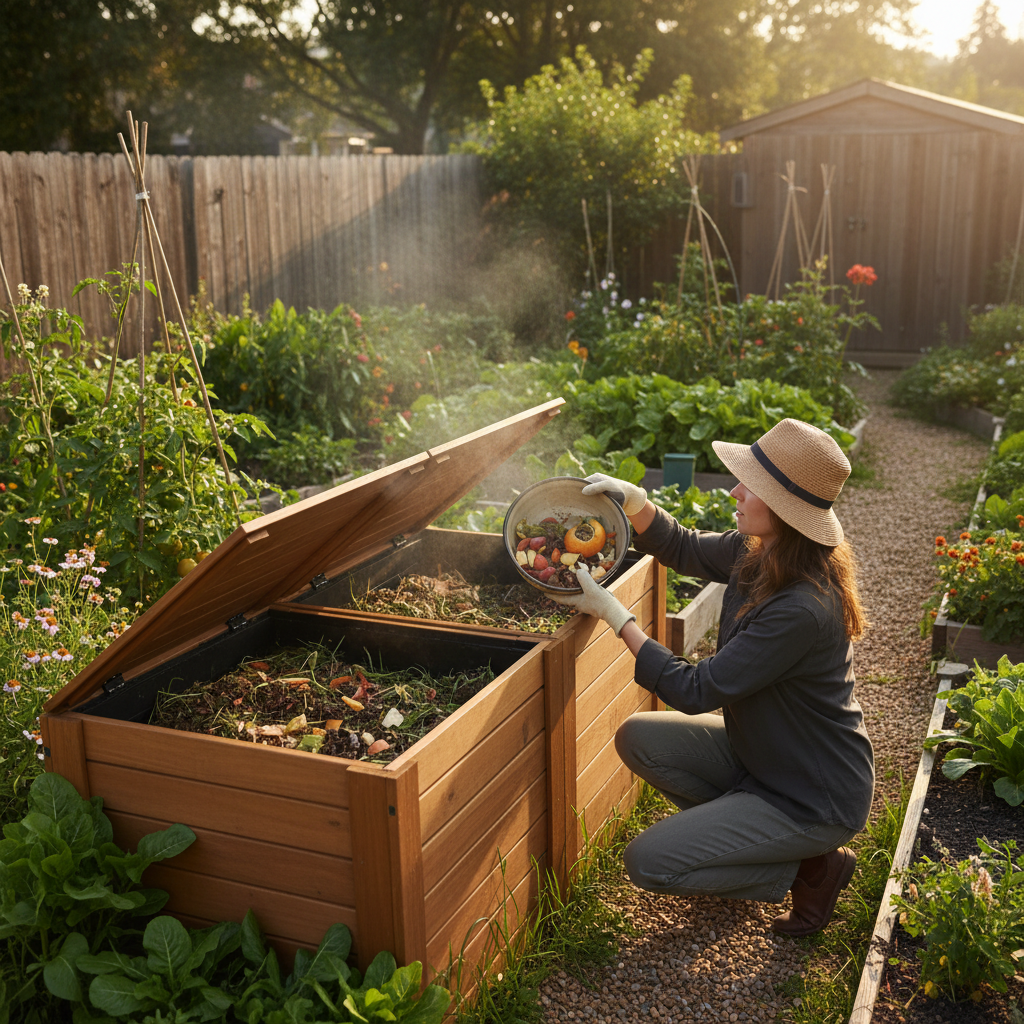
Healthy soil is a key carbon sink. Composting kitchen scraps and using mulch in your garden helps build organic matter, which stores carbon and improves soil structure. A well‑managed garden can sequester several pounds of CO2 per square foot each year, contributing to climate mitigation.
Boosting Local Food Security
Urban and suburban gardens provide fresh produce to neighborhoods that may lack access to grocery stores. By sharing surplus harvests with neighbors, you create a micro‑food network that strengthens community ties and reduces food waste. This local approach also means fewer preservatives and packaging, further lowering environmental impact.
Educational Opportunities
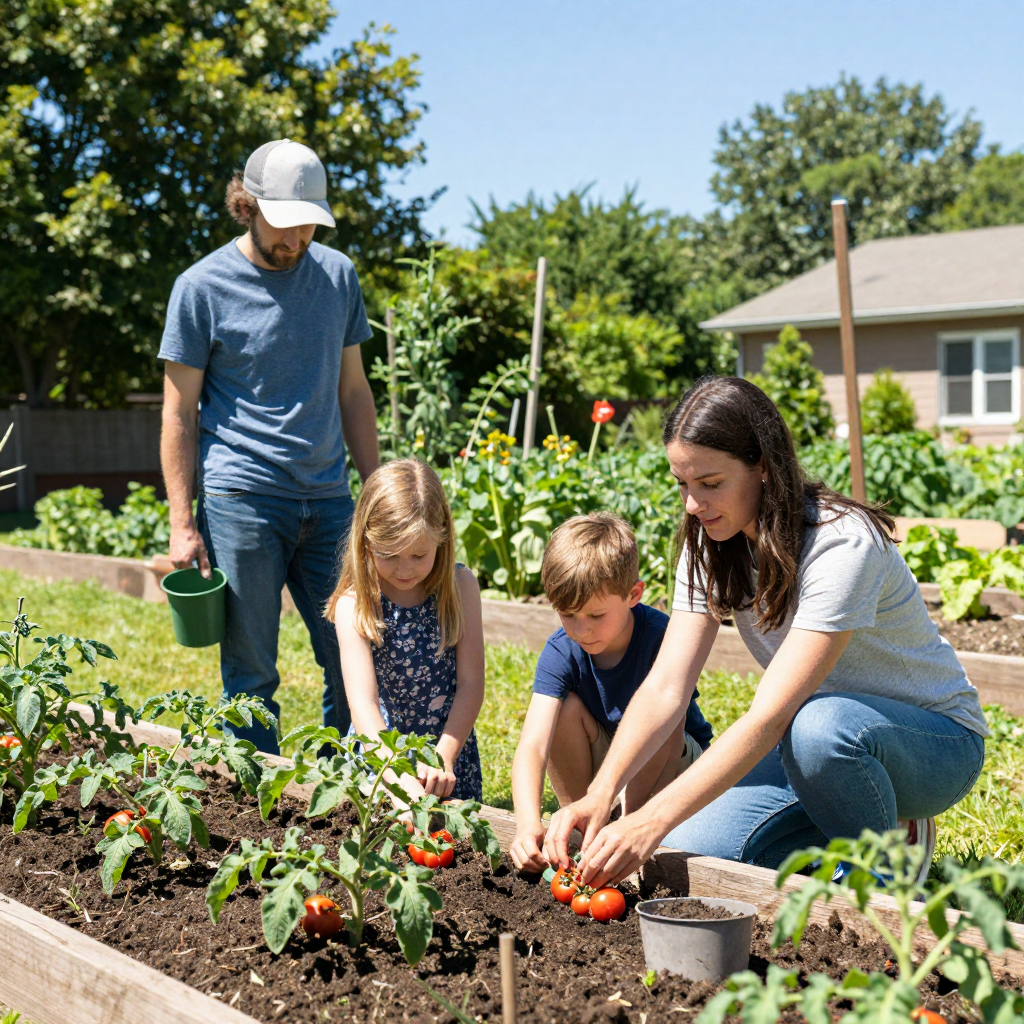
Gardening offers a hands‑on learning experience for all ages. Children can observe plant life cycles, learn about nutrition, and develop a sense of responsibility. Adults can experiment with permaculture principles, companion planting, and sustainable pest control, expanding their knowledge of ecological systems.
Practical Tips for a Sustainable Home Garden
1. Start Small and Scale Up: Begin with a few pots or a raised bed and expand as you gain confidence. 2. Use Native Plants: Native species are adapted to local conditions, requiring less water and fertilizer. 3. Implement Composting: Turn kitchen scraps into nutrient‑rich compost to reduce landfill waste. 4. Adopt Water‑Saving Techniques: Drip irrigation, rain barrels, and mulching keep moisture where it’s needed. 5. Practice Integrated Pest Management: Encourage beneficial insects and use organic controls to minimize chemical use.
Choosing the Right Location
Maximize sunlight by selecting a spot that receives at least six hours of direct light daily. If space is limited, consider vertical gardens or container gardening on balconies, rooftops, or windowsills.
Conclusion
Home gardening is a simple yet effective strategy for building a sustainable future. By reducing carbon footprints, enhancing soil health, and fostering local food networks, you contribute to a healthier planet and a stronger community. Start planting today and watch your garden—and the world—thrive.
What's Your Reaction?