Heart Chakra Meaning and Unconditional Love
Explore the heart chakra, its symbolism, benefits, and how it fosters unconditional love. Learn practices, affirmations, and meditation techniques to open your heart energy center.
Heart Chakra Meaning and Unconditional Love
The heart chakra, known as Anahata in Sanskrit, is the fourth energy center in the body’s subtle system. Positioned at the center of the chest, it bridges the lower physical energy of the root and sacral chakras with the upper mental and spiritual realms of the throat, third eye, and crown. When balanced, the heart chakra radiates compassion, empathy, and unconditional love, allowing us to connect deeply with ourselves and others. This article delves into the heart chakra’s meaning, symbolism, and practical ways to nurture it, ultimately fostering a life of unconditional love and emotional harmony.
What Is the Heart Chakra?
In yogic tradition, chakras are spinning wheels of energy that influence physical, emotional, and spiritual well‑being. The heart chakra, or Anahata, is associated with the color green, the element of air, and the heart organ. Its Sanskrit name means “universal love,” reflecting its role as the gateway between the body and spirit. When this chakra is open, it enables a person to feel and give love without conditions, boundaries, or expectations.
Key Characteristics of a Balanced Heart Chakra
- Emotionally resilient and capable of forgiveness
- Open to empathy and compassion for others and self
- Experiences a sense of unity with humanity and nature
- Maintains healthy relationships without possessiveness or jealousy
Common Signs of a Blocked Heart Chakra
- Difficulty trusting or forming close relationships
- Feelings of isolation or emotional numbness
- Physical symptoms such as chest tightness, heart palpitations, or respiratory issues
- Negative self‑talk or a tendency to judge others harshly
The Symbolic Elements of the Heart Chakra
The heart chakra’s symbolism is rich and multi‑layered. The green hue represents growth, renewal, and healing. The lotus flower at its center has six petals, indicating the chakra’s ability to integrate the lower and upper energies. The central point, or “bindu,” signifies the unity of all existence. Understanding these symbols helps practitioners align their intention and focus during meditation.
Green: The Color of Healing
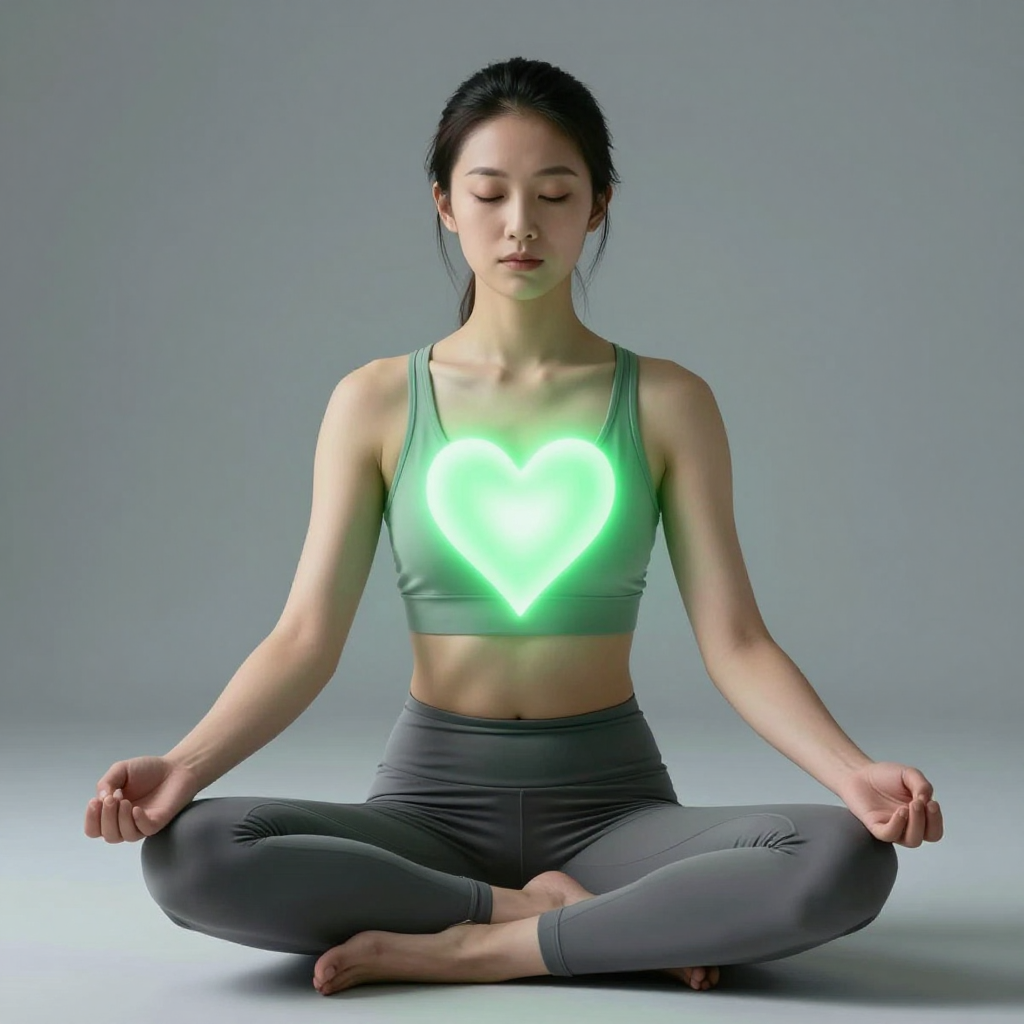
Green is the color of balance and renewal. It encourages a sense of harmony between body and mind, fostering the ability to heal emotional wounds. When you visualize a vibrant green light at your chest, you invite this healing energy into your life.
Lotus: The Flower of Spiritual Awakening
The lotus flower’s roots lie in muddy water, yet it rises to bloom in pure, radiant light. This illustrates the heart chakra’s power to transcend negative emotions and manifest love and compassion in the world.
How to Open and Balance the Heart Chakra
Balancing the heart chakra involves a blend of physical practice, breathwork, and mindset shifts. Below are proven techniques that can help you cultivate unconditional love and emotional resilience.
1. Heart‑Opening Yoga Poses
Yoga poses that stretch and expand the chest area are excellent for stimulating the heart chakra. Some of the most effective poses include:
- Cat‑Cow (Marjaryasana-Bitilasana) – alternates between arching and rounding the spine, promoting chest flexibility.
- Camel Pose (Ustrasana) – deep backbend that opens the chest and heart region.
- Bridge Pose (Setu Bandha Sarvangasana) – lifts the heart center while strengthening the back and legs.
- Fish Pose (Matsyasana) – gently opens the chest, encouraging breath flow.
2. Breathwork: Anahata Pranayama
Breathing exercises that focus on the heart area help activate the heart chakra’s subtle energy. Try the following:
- Sit comfortably and close your eyes.
- Place one hand on your chest and the other on your abdomen.
- Inhale slowly through the nose, feeling the abdomen rise.
- Hold for a moment, then exhale while feeling the chest expand.
- Repeat for 5–10 minutes, visualizing green light flowing through your heart.
3. Heart Chakra Meditation
Guided meditation can deepen your connection to unconditional love. Follow these steps:
- Find a quiet space and sit in a comfortable position.
- Close your eyes and take three slow, deep breaths.
- Visualize a bright green light at the center of your chest.
- Repeat the mantra: “I am love, I am compassion, I am unconditional.”
- Stay in this state for 10–15 minutes, allowing feelings of warmth and acceptance to arise.
4. Daily Practices for Unconditional Love
Incorporate simple habits into your routine to nurture the heart chakra throughout the day:
- Practice gratitude: Write down three things you’re thankful for each morning.
- Offer compliments: Acknowledge the good in others without expecting anything in return.
- Forgive yourself: Release self‑criticism and embrace self‑compassion.
- Spend time in nature: Feel the earth’s energy and let it fill your heart.
Affirmations for the Heart Chakra
Affirmations are powerful tools to rewire the subconscious mind. Here are some heart‑centered affirmations you can repeat daily:
- “I breathe love into every cell of my body.”
- “I am open to giving and receiving love.”
- “My heart is a source of infinite compassion.”
- “I release all judgment and embrace unconditional love.”
How the Heart Chakra Connects to Unconditional Love
Unconditional love transcends conditions, expectations, and boundaries. The heart chakra’s primary role is to dissolve these barriers, allowing love to flow freely. When the heart chakra is balanced, the following benefits emerge:
- Enhanced empathy and understanding toward others.
- Reduced emotional reactivity and increased calmness.
- Greater capacity for forgiveness and letting go of grudges.
- Ability to love oneself deeply, which becomes the foundation for loving others.
Common Misconceptions About the Heart Chakra
Many people mistakenly believe that the heart chakra is only about romantic love. In reality, it encompasses all forms of love: self‑love, platonic love, spiritual love, and the universal love that connects all beings. Another myth is that the heart chakra can be “fixed” with a single practice. Balancing this energy center requires consistent attention, self‑reflection, and a willingness to heal past wounds.
Integrating the Heart Chakra into Daily Life
Here are practical ways to keep the heart chakra active and open throughout the day:
- Use a green or pink crystal, such as rose quartz, as a reminder to stay connected to love.
- Take short pauses to breathe deeply, focusing on the heart region.
- Engage in acts of kindness, even small gestures, to reinforce the flow of love.
- Practice mindful listening in conversations, allowing others to express themselves fully.
Conclusion: Embracing Unconditional Love Through the Heart Chakra
The heart chakra is a powerful gateway to unconditional love, compassion, and emotional balance. By practicing yoga, breathwork, meditation, affirmations, and daily kindness, you can open and maintain this energy center. A balanced heart chakra not only enhances your personal well‑being but also radiates love outward, creating a ripple effect of positivity and harmony in your relationships and community. Begin today, and let the green light of your heart guide you toward a life filled with love, acceptance, and profound connection.
What's Your Reaction?