Beginner’s Guide to Organic Gardening at Home
Discover how to start an organic garden at home with easy tips, soil preparation, composting, pest control, and plant selection for beginners.

Beginner’s Guide to Organic Gardening at Home
Starting an organic garden can feel overwhelming, but with the right steps, anyone can grow fresh, chemical‑free produce right at home. This guide walks you through soil preparation, composting, plant selection, and natural pest control, so you can enjoy a thriving garden with confidence.
1. Choose the Right Location
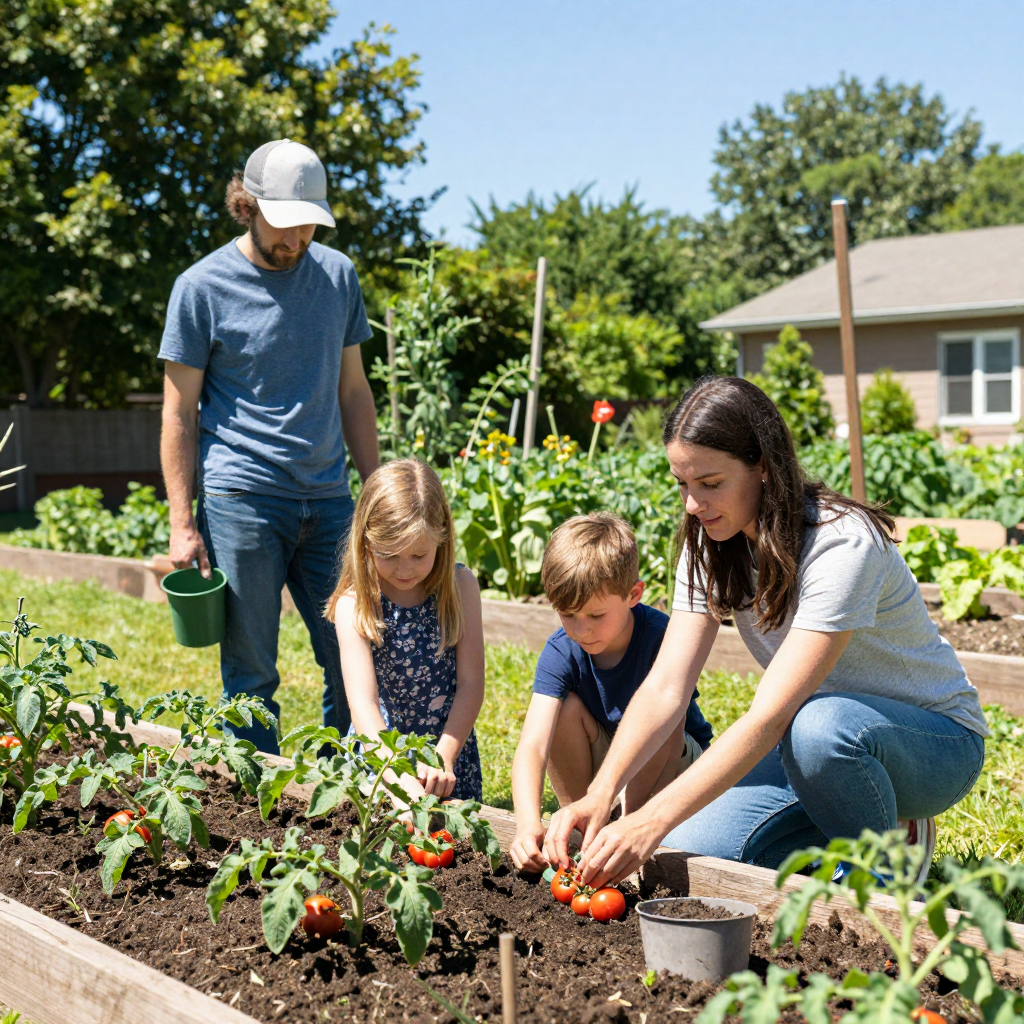
Most vegetables need at least 6–8 hours of direct sunlight each day. Pick a sunny spot that drains well and is protected from harsh winds. A raised bed or container garden works great if your yard has poor soil.
2. Build Healthy Soil
Test Your Soil
Begin with a simple soil test kit to check pH and nutrient levels. Most organic gardens thrive on a slightly acidic to neutral pH (6.0–7.0). If your soil is too acidic, add lime; if it’s too alkaline, add elemental sulfur.
Amend with Compost
Compost enriches soil, improves structure, and feeds microbes essential for plant health. Turn your kitchen scraps, yard waste, and coffee grounds into dark, crumbly compost and mix 2–3 inches into the topsoil.
3. Start Composting
Set up a compost bin or pile in a dry, shaded area. Alternate green (nitrogen) materials like vegetable peels with brown (carbon) materials such as dry leaves. Keep the pile moist and turn it every few weeks for oxygen. Within 3–6 months, you’ll have nutrient‑rich compost ready for use.
4. Choose the Right Plants
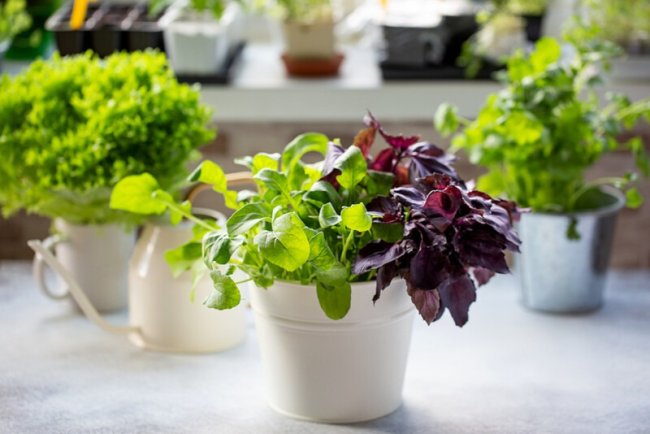
Select crops that match your climate and season. For beginners, start with easy, high‑yield options like lettuce, tomatoes, peppers, basil, and marigolds. Group plants by family to simplify care and reduce pest risks.
5. Use Natural Pest Control
Encourage beneficial insects by planting companion flowers such as dill, nasturtium, and marigold. Use physical barriers like row covers or netting for larger pests. When pests appear, try neem oil, soap spray, or homemade garlic spray instead of chemical pesticides.
6. Water Wisely
Water early in the morning to reduce evaporation and fungal growth. Use a soaker hose or drip irrigation to deliver water directly to the root zone, conserving moisture and keeping foliage dry.
7. Maintain and Harvest
Keep a garden journal to track planting dates, growth, and any issues. Harvest regularly to encourage continuous production and to enjoy the fruits of your labor at peak flavor.
By following these simple steps, you’ll build a resilient, organic garden that rewards you with fresh, pesticide‑free produce and a deeper connection to nature.
What's Your Reaction?