Unlocking the Power of Fermentation in Cooking: Exploring the Benefits
Discover the advantages of fermentation in cooking, from improved nutrition to enhanced flavors and textures

Benefits of Fermentation in Cooking
Fermentation is a process that has been used for centuries to preserve and transform ingredients, unlocking a world of flavors and textures in cooking. By harnessing the power of microorganisms, fermentation enhances the nutritional value, taste, and aroma of food, making it a valuable technique for home cooks and professional chefs alike.
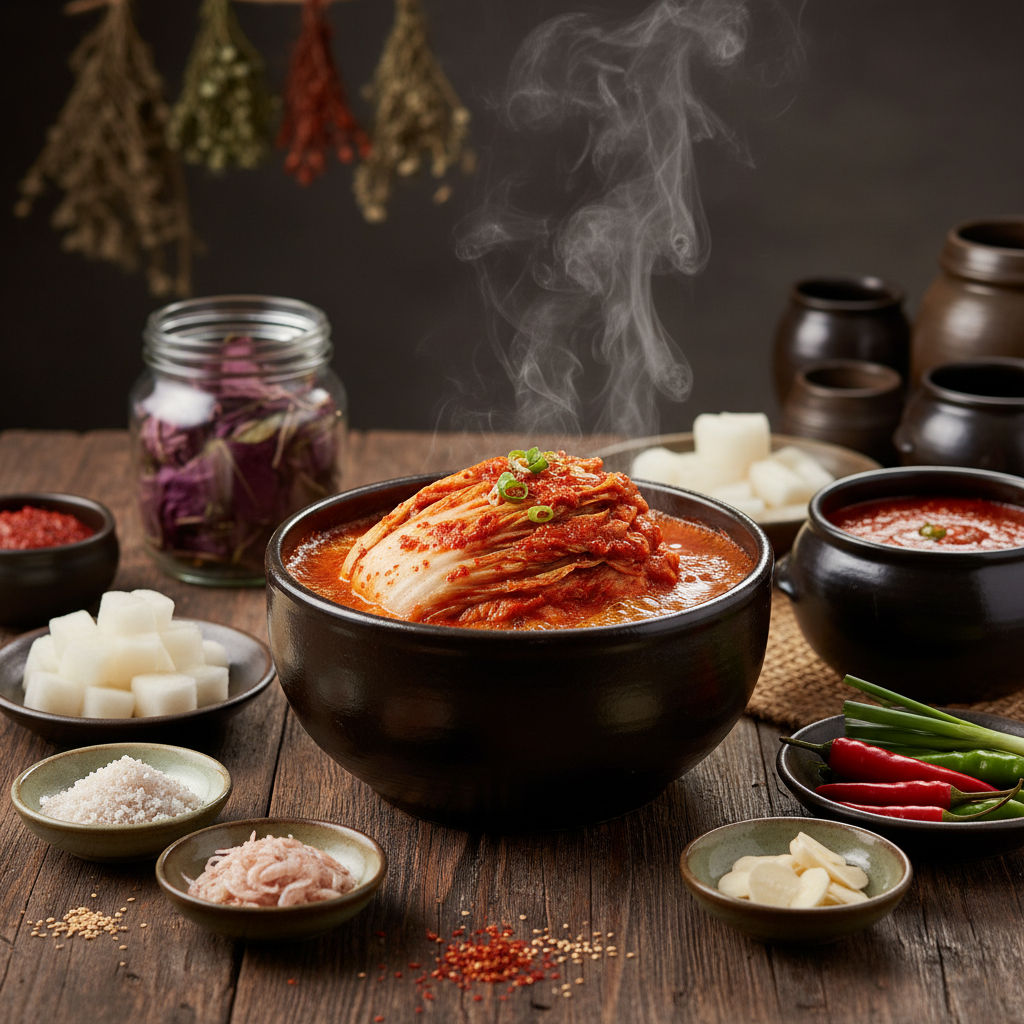
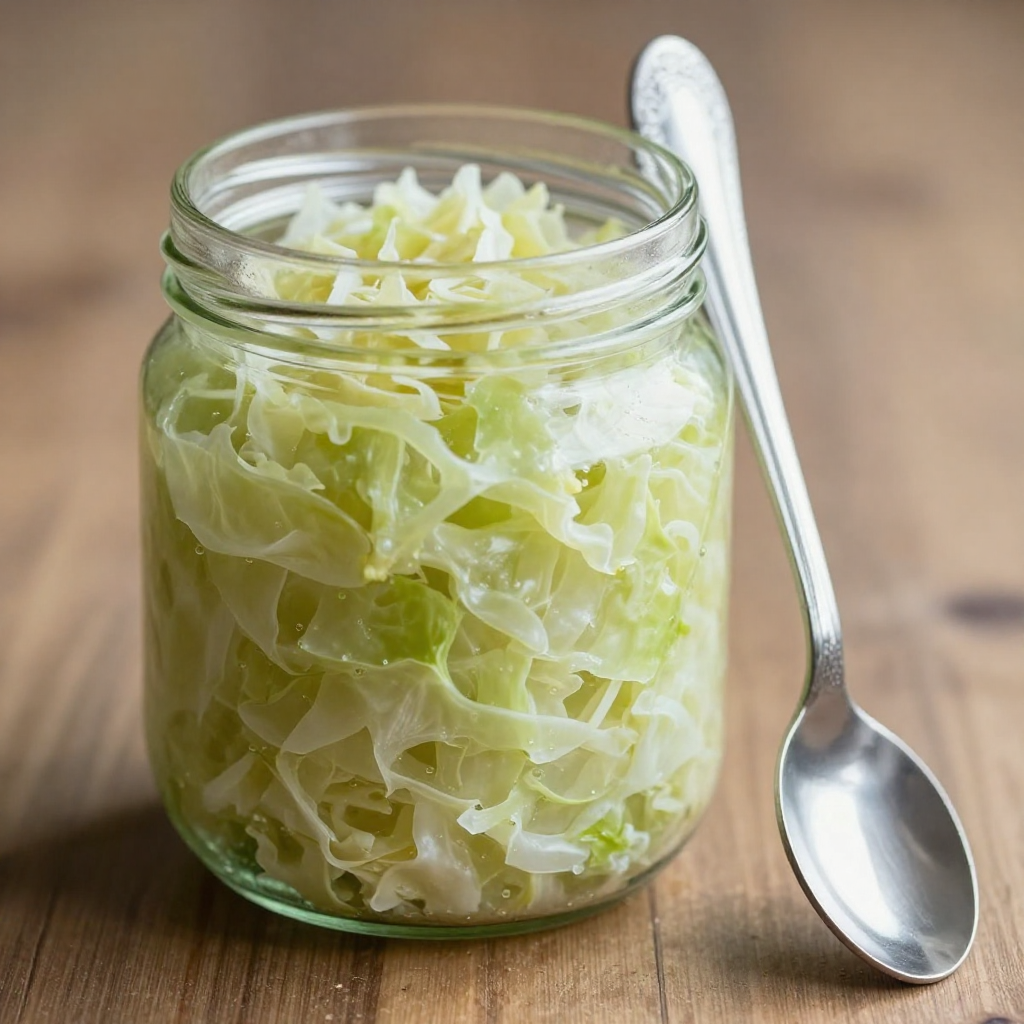
One of the primary benefits of fermentation is its ability to increase the bioavailability of nutrients in food. Through the action of microorganisms, complex compounds are broken down into simpler forms, making it easier for the body to absorb essential vitamins and minerals. This is particularly evident in fermented vegetables, such as sauerkraut and kimchi, which are rich in vitamins C and K.
Fermentation also plays a significant role in food preservation, allowing for the creation of shelf-stable products that can be stored for months. This process involves the creation of lactic acid, which acts as a natural preservative, inhibiting the growth of bacteria and other microorganisms. Examples of fermented foods include yogurt, cheese, and pickles, which can be stored for extended periods without refrigeration.
Furthermore, fermentation is a key factor in the development of unique and complex flavors in food. As microorganisms break down sugars and other compounds, they release a wide range of volatile compounds, contributing to the characteristic aromas and tastes of fermented foods. This is particularly evident in fermented meats, such as salami and prosciutto, which are renowned for their rich, savory flavors.
In addition to its culinary benefits, fermentation also offers a range of health advantages. The process of fermentation can help to reduce the glycemic index of food, making it a valuable tool for managing blood sugar levels. Additionally, fermented foods are often rich in probiotics, which can help to support gut health and boost the immune system.
Despite its many benefits, fermentation can be a daunting process for those new to cooking. However, with the right knowledge and equipment, it is possible to create a wide range of fermented foods at home. From simple recipes for fermented vegetables to more complex projects, such as brewing beer and making cheese, there are countless opportunities to explore the world of fermentation in cooking.
Whether you are a seasoned chef or a curious home cook, fermentation is a technique that is worth exploring. With its unique combination of nutritional, culinary, and health benefits, fermentation offers a world of possibilities for those looking to take their cooking to the next level.
What's Your Reaction?