Composting: A Natural Approach to Sustainable Gardening
Discover the benefits of composting and learn how to create a sustainable gardening practice
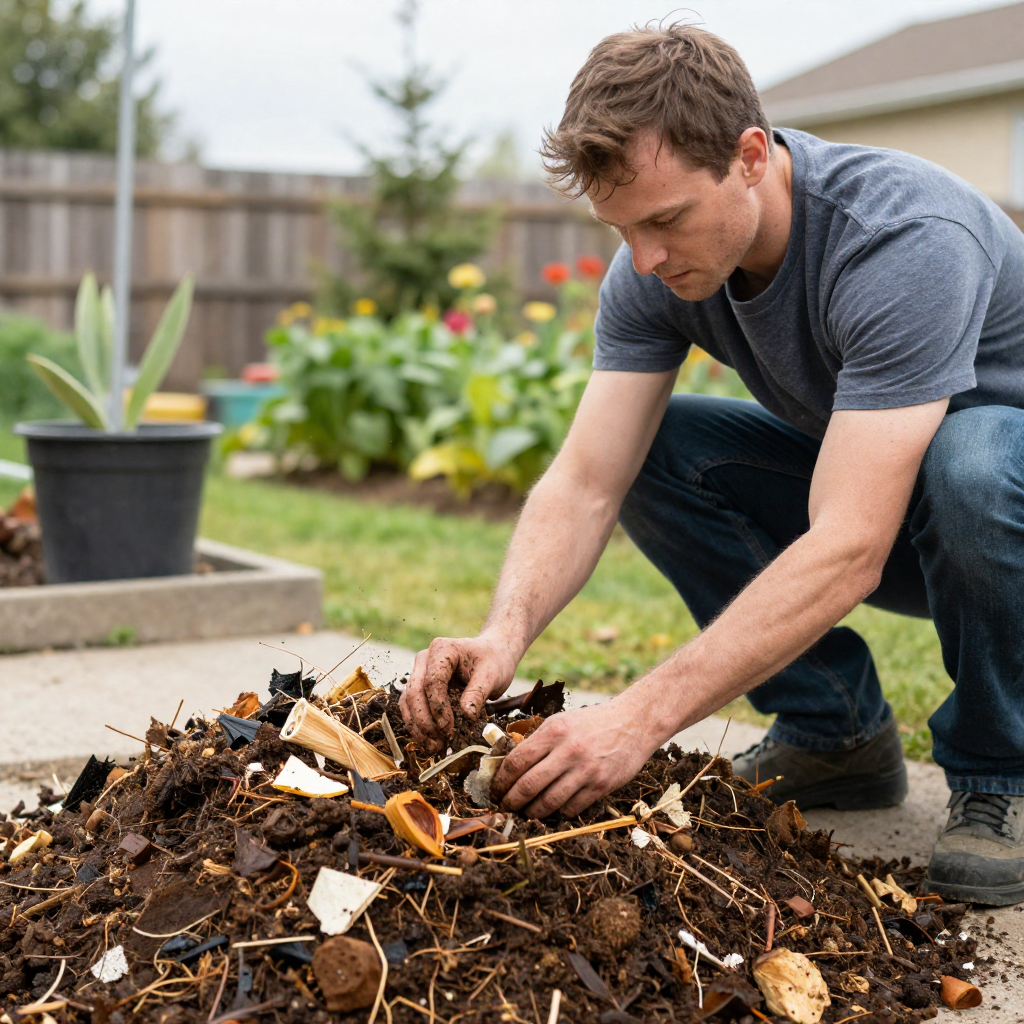
Composting: A Natural Approach to Sustainable Gardening
Composting is a natural approach to gardening that involves breaking down organic waste into a nutrient-rich soil amendment. This process not only reduces the amount of waste sent to landfills but also creates a valuable resource for gardening. In this article, we will explore the benefits of composting and provide a step-by-step guide on how to create a composting system for your garden.
The benefits of composting are numerous. It reduces the need for synthetic fertilizers, which can pollute soil and waterways. Compost also improves soil structure, increases its water-holding capacity, and supports a diverse range of microorganisms. These microorganisms play a crucial role in decomposing organic matter and making nutrients available to plants.
To start a composting system, you will need a designated area for the compost pile. This can be a corner of your backyard or a designated bin. The ideal location is in a well-ventilated area, out of direct sunlight. It's also essential to ensure that the compost pile is accessible for regular maintenance.
The next step is to collect organic waste. This can include fruit and vegetable scraps, tea bags, coffee grounds, and eggshells. Avoid adding meat, dairy, and oily foods, as these can attract pests and create unpleasant odors. It's also essential to balance the carbon-to-nitrogen ratio in the compost pile. A general rule of thumb is to have 2/3 carbon-rich materials, such as leaves or shredded newspaper, and 1/3 nitrogen-rich materials, such as food scraps or grass clippings.
Once you have collected the necessary materials, it's time to layer them in the compost pile. Start with a 4-6 inch layer of carbon-rich materials, followed by a 2-3 inch layer of nitrogen-rich materials. Repeat this process, ending with a layer of carbon-rich materials on top. It's essential to keep the compost pile moist, but not waterlogged. A general rule of thumb is to keep the compost pile as damp as a damp sponge.
As the compost pile breaks down, you will start to notice the formation of a dark, earthy-smelling soil amendment. This is a sign that the composting process is underway. It's essential to turn the compost pile regularly to ensure that the materials are breaking down evenly. This can be done with a pitchfork or shovel, taking care not to compact the materials.
After several weeks or months, depending on the size of the compost pile and the materials used, the compost will be ready to use. It can be added to the soil to improve its fertility and structure. Composting is a natural approach to gardening that not only reduces waste but also creates a valuable resource for gardening. By following these steps, you can create a sustainable composting system for your garden.
What's Your Reaction?