Glacier Loss: Understanding the Alarming Rate of Ice Sheet Collapse and Its Severe Environmental Implications
Discover the alarming rate of glacier loss and its severe environmental implications, including sea-level rise and disrupted ecosystems.
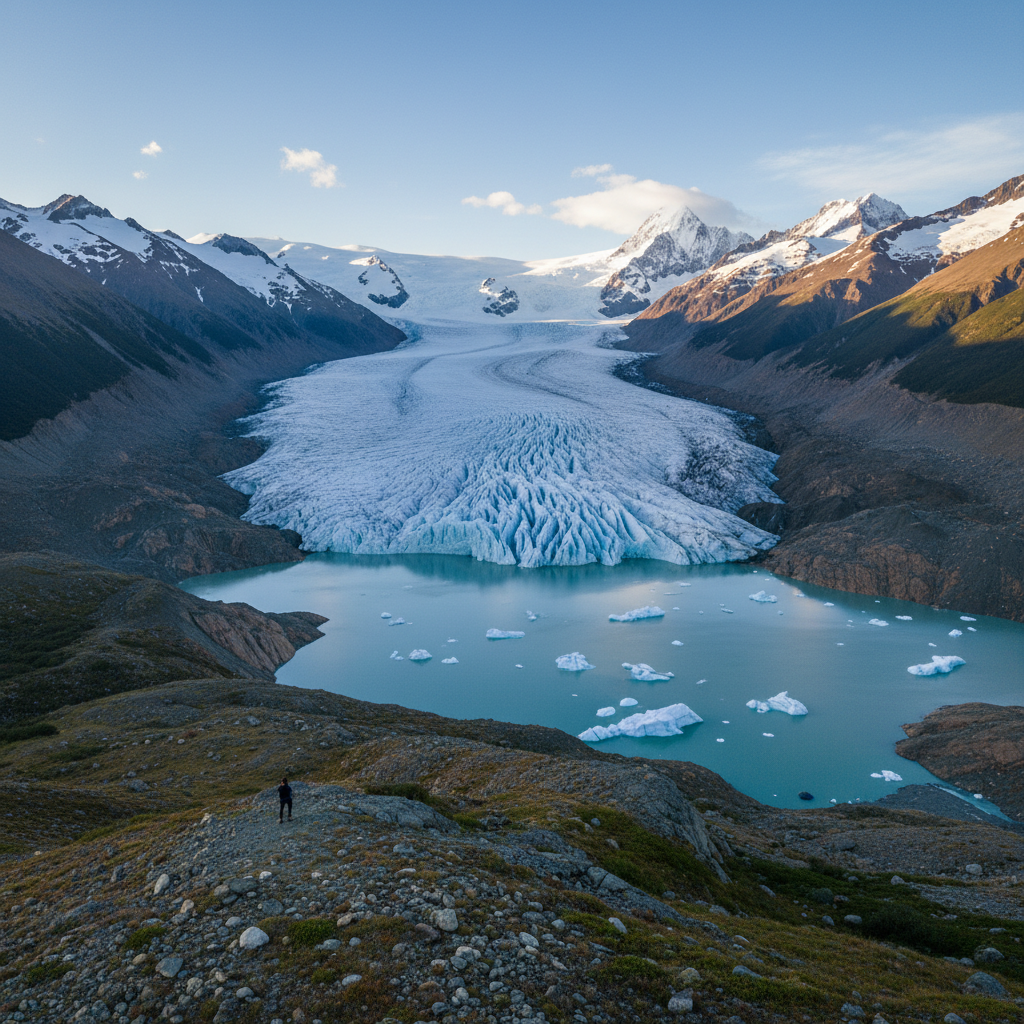
Glacier Loss: A Threat to Global Ecosystems and Human Societies
Glaciers are one of the most sensitive indicators of climate change, and their alarming rate of loss has severe environmental implications. In recent years, glaciers worldwide have been melting at an unprecedented rate, with far-reaching consequences for global ecosystems and human societies.
The primary cause of glacier loss is global warming, which is primarily driven by human activities such as burning fossil fuels and deforestation. As temperatures rise, glaciers absorb more solar radiation, causing them to melt at an accelerated rate. Additionally, climate change is altering precipitation patterns, leading to more frequent and intense heatwaves, droughts, and storms that further exacerbate glacier loss.
The consequences of glacier loss are multifaceted and far-reaching. Sea levels are expected to rise by up to 1 meter by 2100, displacing millions of people living in low-lying areas and coastal cities. Glacier loss also disrupts ecosystems, as melting ice exposes new habitats for plants and animals, leading to the introduction of invasive species and altering the delicate balance of local ecosystems.
Furthermore, glacier loss impacts hydroelectric power generation, as melting ice reduces the water supply, leading to power outages and economic losses. In addition, glacier loss threatens the livelihoods of millions of people who depend on glaciers for water, food, and income.
So, what can be done to mitigate the effects of glacier loss? The first step is to reduce greenhouse gas emissions and transition to renewable energy sources. Governments, businesses, and individuals must work together to develop and implement climate-resilient infrastructure, such as sea walls, and promote sustainable land-use practices.
It is essential to acknowledge the severity of glacier loss and take immediate action to address this pressing issue. By working together, we can mitigate the effects of glacier loss and preserve the integrity of our planet's ecosystems for future generations.
What's Your Reaction?