Effective Composting Techniques for a Greener Lifestyle: Reducing Waste and Creating Nutrient-Rich Soil
Discover the benefits of composting and learn effective techniques to reduce waste, create nutrient-rich soil, and adopt a greener lifestyle
Effective Composting Techniques for a Greener Lifestyle: Reducing Waste and Creating Nutrient-Rich Soil
Composting is an essential aspect of sustainable living that offers numerous benefits for the environment and your garden. By converting kitchen scraps and yard waste into nutrient-rich soil, you can reduce waste, conserve water, and create a healthier ecosystem. In this article, we'll explore effective composting techniques to help you adopt a greener lifestyle.
Understanding the Composting Process
The composting process involves breaking down organic materials into a stable, humus-like substance that's rich in nutrients. This process occurs through a series of biological and chemical reactions that require the right balance of 'green' and 'brown' materials. Green materials, such as kitchen scraps and grass clippings, are high in nitrogen and moisture, while brown materials, like dried leaves and twigs, are high in carbon and dry matter.
Choosing the Right Compost Bin
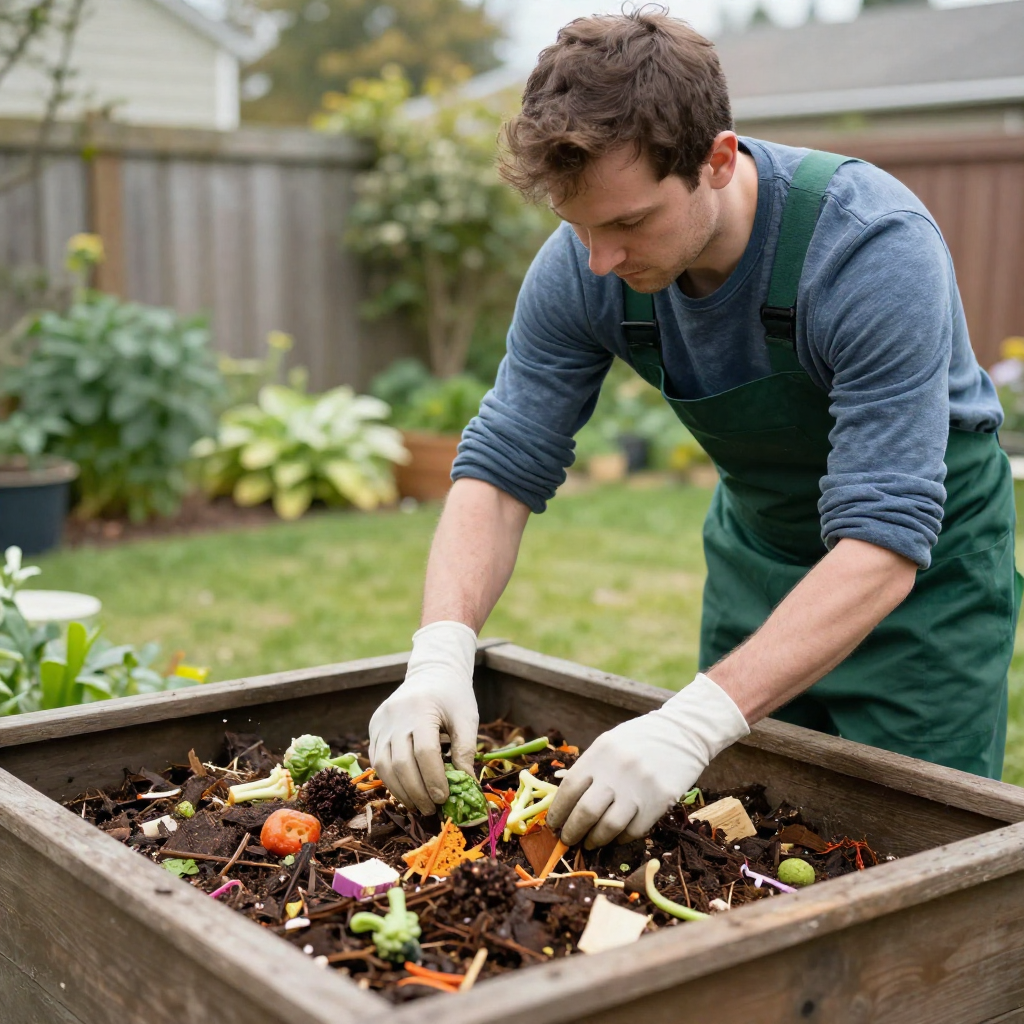
When selecting a compost bin, consider its size, material, and accessibility. Aeration and drainage are also crucial factors to ensure the composting process occurs efficiently. You can choose from various types of compost bins, including tumblers, worm composters, and wooden pallet bins.
Effective Composting Techniques
Here are some effective composting techniques to get you started:
1. Layering
Alternate between green and brown materials to create a balanced mix. Start with a 2-3 inch layer of brown materials, followed by a 1-2 inch layer of green materials.
2. Moisture Control
Keep the compost pile moist, but not waterlogged. Aim for a consistency like a damp sponge. Excessive moisture can lead to anaerobic conditions and unpleasant odors.
3. Turning
Turn the compost pile every 7-10 days to ensure oxygen reaches all areas. This will also help speed up the composting process.
4. Monitoring Temperature
Compost piles can get hot, with temperatures reaching up to 160°F. Monitor the temperature regularly and turn the pile if it gets too hot.
5. Adding Bulking Agents
Include bulking agents like straw or shredded newspaper to help absorb excess moisture and improve airflow.
Using Compost in Your Garden
Once your compost is ready, use it to improve soil structure, fertility, and overall health. Mix it into the soil, use it as a mulch, or create a compost tea.
Conclusion
Effective composting techniques are essential for reducing waste, conserving water, and creating nutrient-rich soil. By following these tips and adopting a greener lifestyle, you can make a positive impact on the environment and enjoy a healthier, more sustainable garden.
What's Your Reaction?