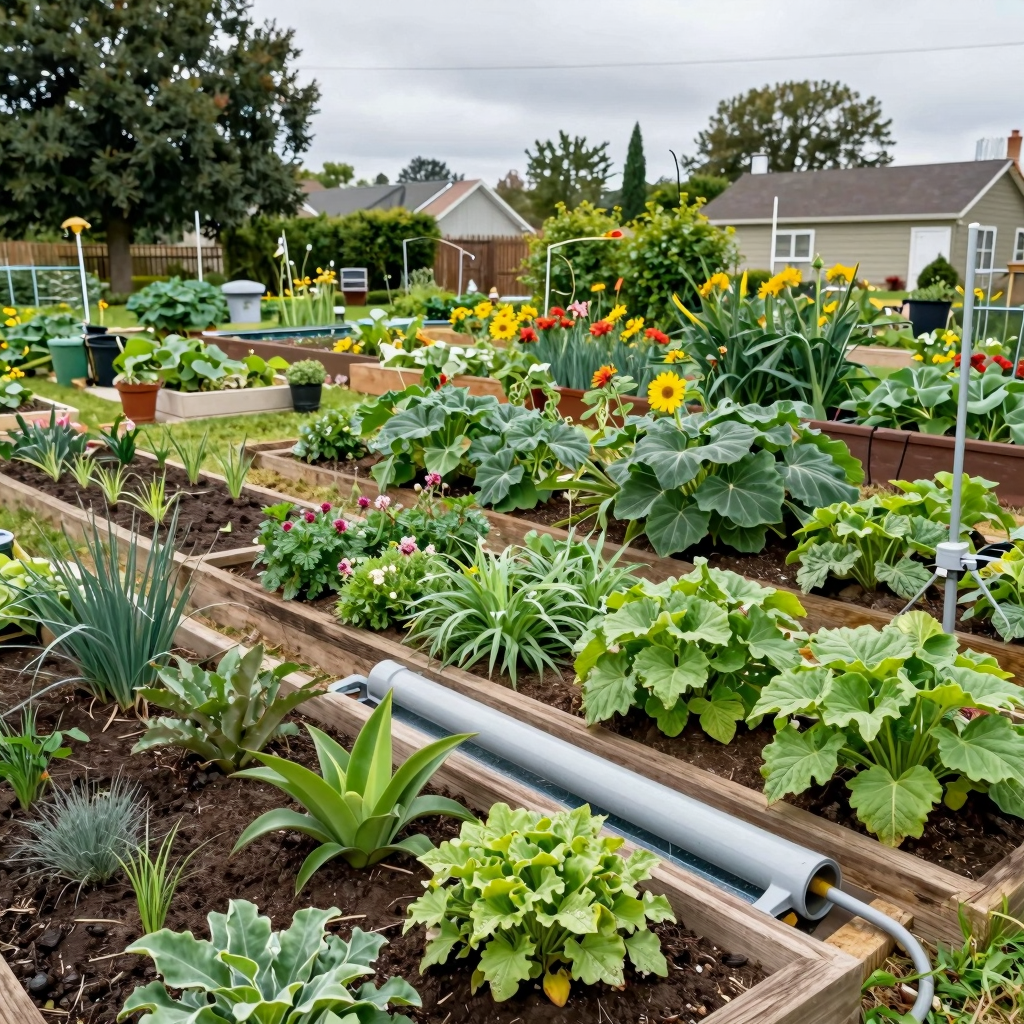
The Importance of Composting and Waste Management in Our Daily Lives
Discover the importance of composting and waste management in your daily life, learn how to reduce waste and create a sustainable future
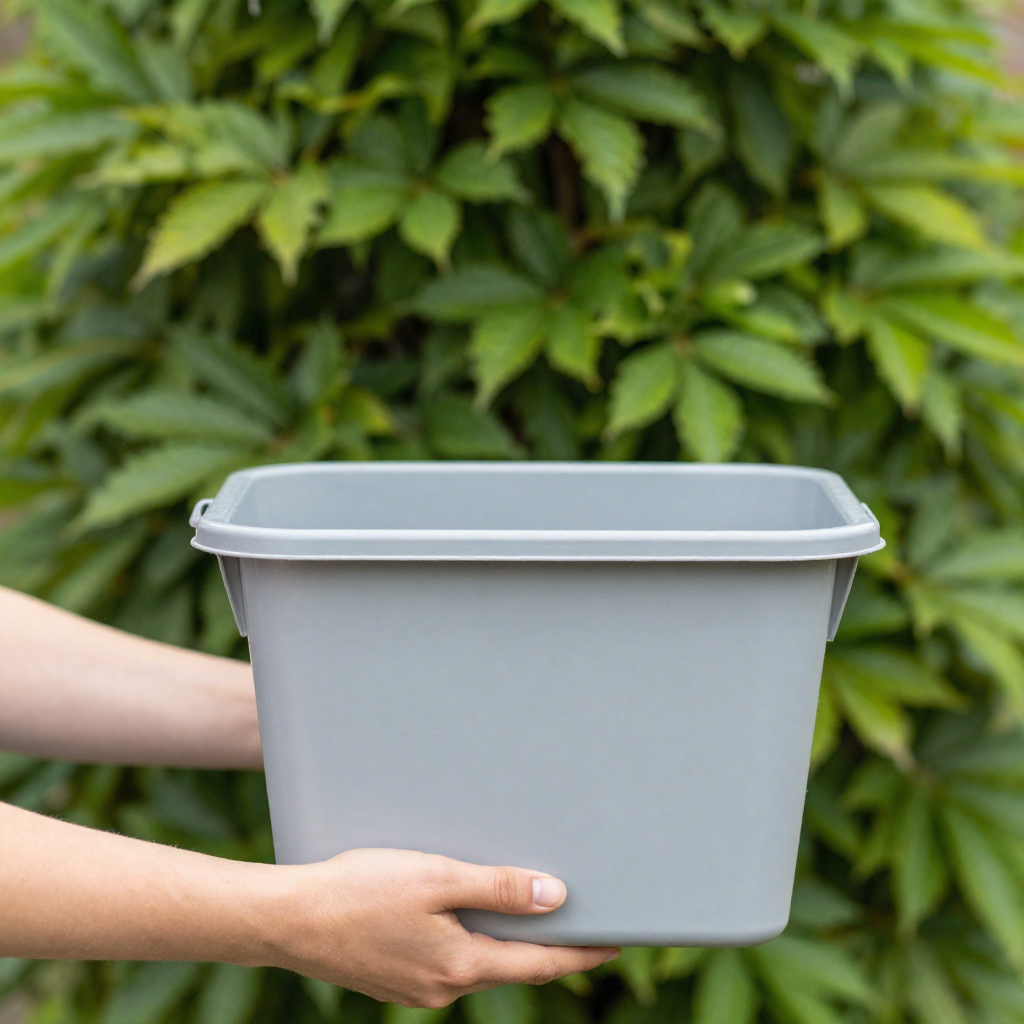
The Importance of Composting and Waste Management in Our Daily Lives
Composting and waste management are crucial aspects of sustainable living that have a significant impact on our environment. Every day, we generate a substantial amount of waste that ends up in landfills, contributing to greenhouse gas emissions and pollution. However, by implementing effective waste management practices, we can reduce waste, conserve natural resources, and create a healthier environment for future generations.
Composting is the process of breaking down organic waste into a nutrient-rich soil amendment that can be used to fertilize plants. This simple yet effective practice not only reduces waste but also helps to mitigate climate change by reducing greenhouse gas emissions. By composting, we can divert organic waste from landfills and create a valuable resource for our gardens and crops.
There are several methods of composting, including backyard composting, vermicomposting, and bokashi composting. Backyard composting involves collecting kitchen scraps and yard waste in a designated bin and allowing it to break down over time. Vermicomposting uses worms to break down organic waste, while bokashi composting uses microorganisms to ferment waste. Regardless of the method, composting is an effective way to reduce waste and create a sustainable future.
Waste management is also a critical aspect of sustainable living. Proper waste disposal can help to reduce pollution, conserve natural resources, and protect public health. By recycling, reusing, and reducing waste, we can minimize the amount of waste that ends up in landfills and reduce our environmental impact. Some effective ways to manage waste include reducing single-use plastics, using reusable bags and containers, and participating in community recycling programs.
In addition to composting and waste management, there are several other ways to live a more sustainable lifestyle. These include reducing energy consumption, using public transportation, and conserving water. By making small changes to our daily habits, we can have a significant impact on the environment and create a more sustainable future.
Conclusion: Composting and waste management are essential aspects of sustainable living that have a significant impact on our environment. By implementing effective waste management practices, we can reduce waste, conserve natural resources, and create a healthier environment for future generations. Whether through composting, recycling, or reducing energy consumption, every small change we make can have a significant impact on the environment. Let us work together to create a more sustainable future for ourselves and for generations to come.
What's Your Reaction?