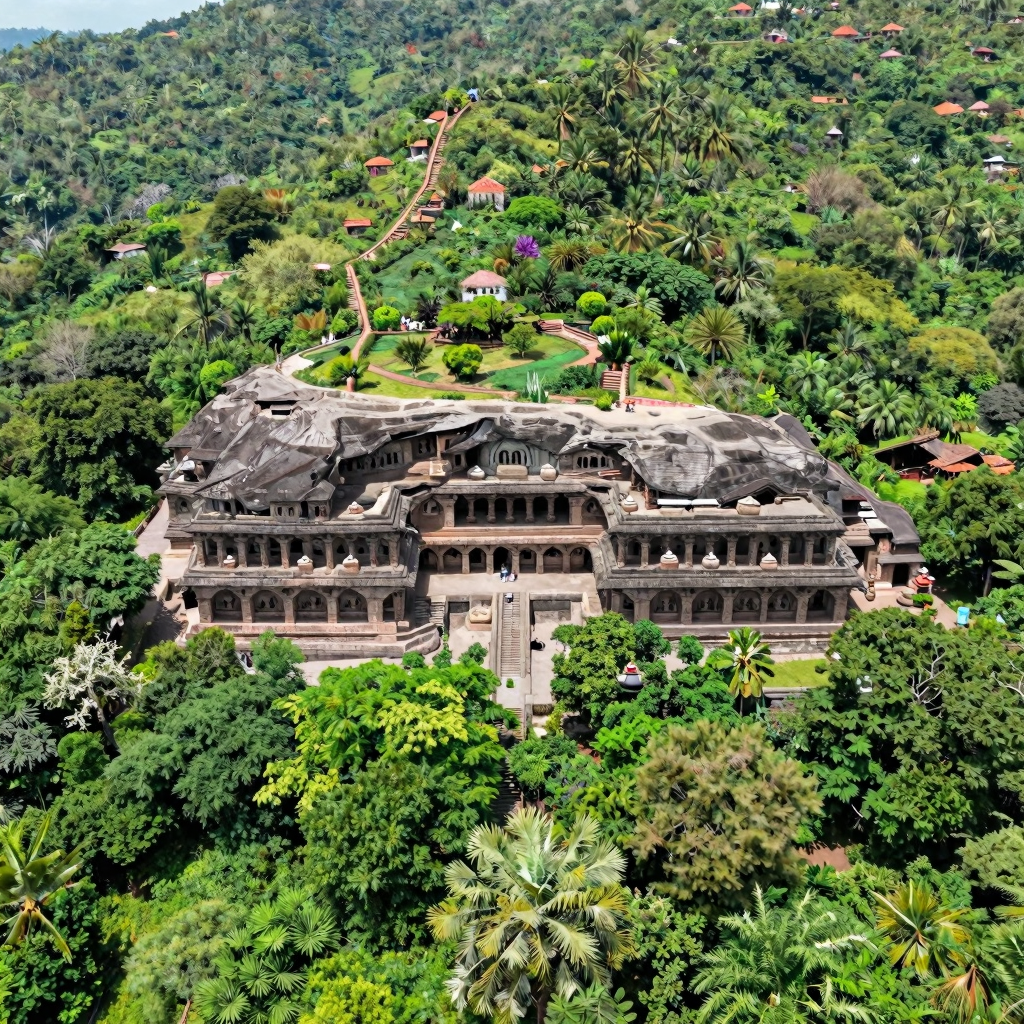
Unlocking the Secrets of Ancient India: The Significance of Ajanta Ellora Caves
Discover the history and importance of Ajanta Ellora Caves, a UNESCO World Heritage Site in India, and its impact on ancient Indian culture
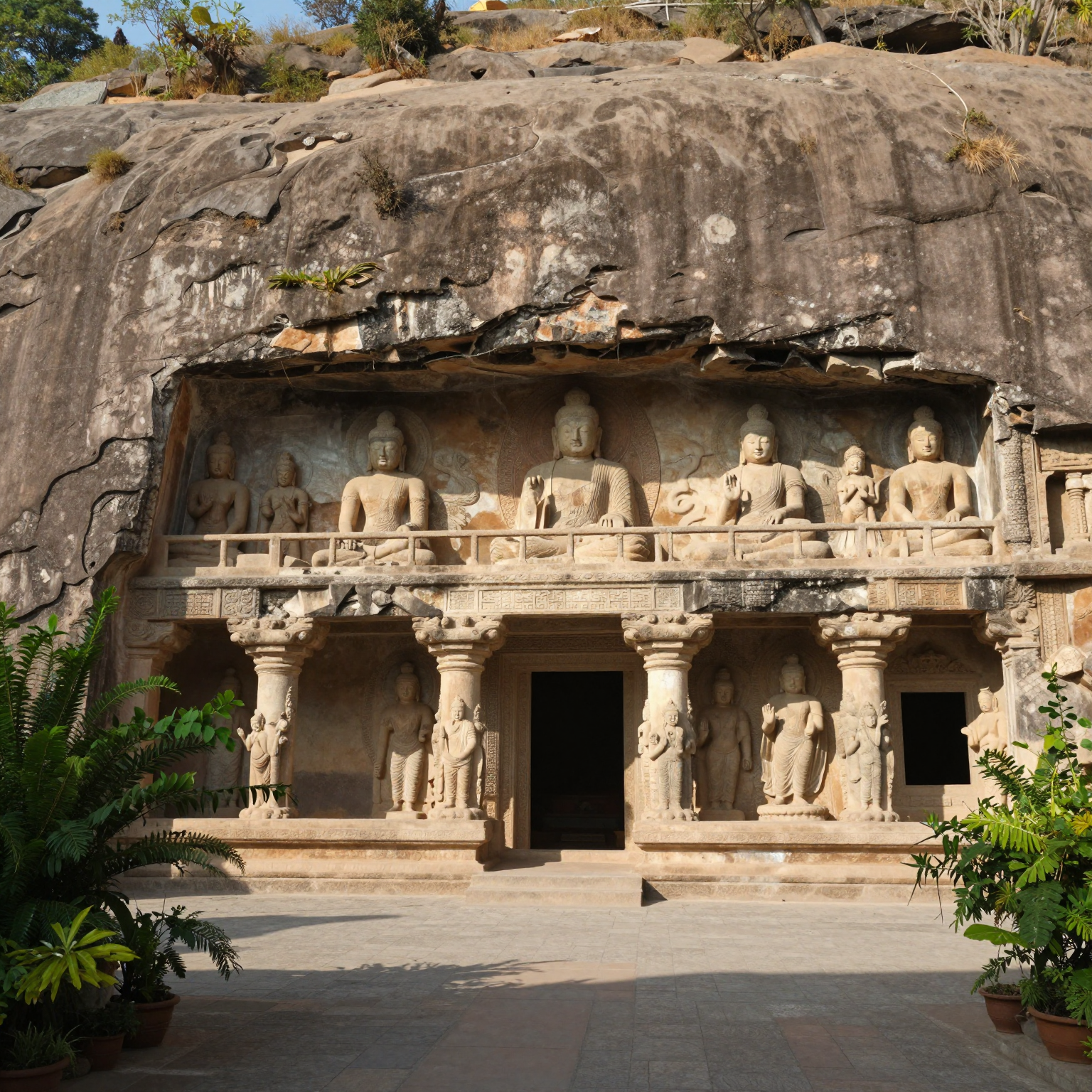
The Ajanta Ellora Caves: A Testament to Ancient Indian Artistry and Spirituality
Located in the Aurangabad district of Maharashtra, India, the Ajanta Ellora Caves are a UNESCO World Heritage Site that dates back to the 2nd century BCE to the 5th century CE. This complex of 34 caves is a masterpiece of ancient Indian art, architecture, and spirituality, showcasing the evolution of Buddhist and Hindu traditions.
The Ajanta Caves, also known as the Buddhist caves, were initially used as a retreat for Buddhist monks and were later abandoned. However, the Ellora Caves, dedicated to Hinduism, were continuously used for worship and spiritual growth. The caves are a testament to the ingenuity and craftsmanship of ancient Indian artisans, who carved these intricate structures into the rocky terrain using simple tools.
The Ajanta Caves are famous for their stunning paintings and sculptures, depicting various aspects of Buddhist and Hindu mythology. The Ellora Caves, on the other hand, feature 24 monolithic temples, including the Kailasa Temple, a marvel of engineering and architecture. The caves also house several water tanks, galleries, and shrines, making them a self-sufficient spiritual complex.
The significance of the Ajanta Ellora Caves extends beyond their artistic and architectural value. They provide valuable insights into the social, cultural, and economic landscape of ancient India. The caves also highlight the importance of spirituality and the pursuit of enlightenment in Indian culture. In addition, the caves have been a source of inspiration for numerous artists, writers, and musicians throughout history.
Tourism and Conservation Efforts
The Ajanta Ellora Caves have been a major tourist attraction since the 19th century. However, the increasing number of visitors has put a strain on the delicate rock structures. As a result, the Indian government has implemented various conservation efforts to protect these ancient wonders. Visitors are required to follow a specific route and are not allowed to touch or damage the caves in any way. Additionally, the government has established a museum near the caves to showcase the history and significance of the site.
Conclusion
The Ajanta Ellora Caves are a testament to the ingenuity, craftsmanship, and spirituality of ancient India. These caves have stood the test of time, providing valuable insights into the culture, art, and architecture of a bygone era. As we continue to marvel at these ancient wonders, we must also acknowledge the importance of conservation and preservation efforts to ensure that these treasures remain intact for future generations.
What's Your Reaction?