Sustainable Gardening Practices for a Greener Future: Why Every Action Counts
Discover the importance of sustainable gardening practices for a greener future and learn how to make a positive impact with every planting decision
Sustainable Gardening Practices for a Greener Future: Why Every Action Counts
As the world grapples with the challenges of climate change, environmental degradation, and food security, sustainable gardening practices have become more crucial than ever. By adopting eco-friendly gardening methods, individuals can significantly contribute to a greener future while enjoying the numerous benefits of gardening, including improved mental health, increased food production, and enhanced biodiversity.
The importance of sustainable gardening practices cannot be overstated. Conventional gardening methods often rely on synthetic fertilizers, pesticides, and herbicides that harm the environment, contaminate water sources, and contribute to greenhouse gas emissions. In contrast, sustainable gardening practices focus on using natural and organic methods to promote healthy plant growth, conserve water, and minimize waste.
So, what are some effective sustainable gardening practices that can make a positive impact? Here are a few strategies to get you started:
1. Use Compost: Composting is a natural way to recycle organic waste and create a nutrient-rich soil amendment. By incorporating compost into your gardening routine, you can reduce waste, conserve water, and promote healthy plant growth.
2. Employ Crop Rotation: Crop rotation is a simple yet effective technique for maintaining soil fertility, reducing pests and diseases, and increasing crop yields. By rotating your crops seasonally, you can create a balanced ecosystem that promotes healthy plant growth and minimizes the need for synthetic fertilizers.
3. Incorporate Rainwater Harvesting: Rainwater harvesting is a simple and cost-effective way to conserve water and reduce your reliance on municipal water supplies. By collecting and storing rainwater in a tank or cistern, you can use it for irrigation, toilet flushing, and other non-potable purposes.
4. Use Organic Pest Control Methods: Conventional pest control methods often rely on toxic chemicals that harm the environment and contaminate water sources. In contrast, organic pest control methods focus on using natural and non-toxic methods to manage pests and diseases, such as introducing beneficial insects, using physical barriers, and applying neem oil.
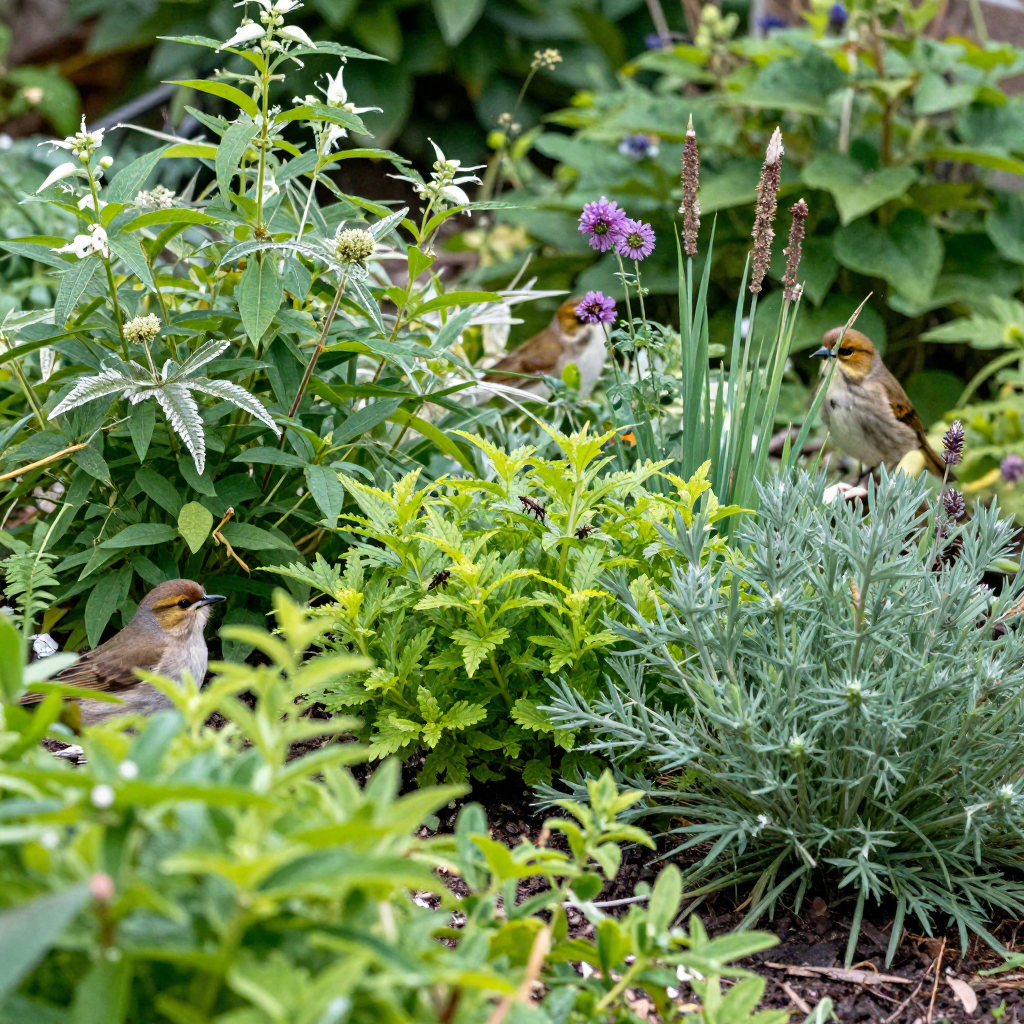
5. Create a Wildlife-Friendly Garden: By incorporating native plants, creating a diverse landscape, and providing a source of water, you can create a wildlife-friendly garden that supports local biodiversity and enhances the aesthetic appeal of your outdoor space.
By adopting these sustainable gardening practices, you can make a positive impact on the environment while enjoying the numerous benefits of gardening. Whether you're a seasoned gardener or just starting out, every action counts, and every decision you make can contribute to a greener future.
So, what are you waiting for? Start making a difference today by incorporating sustainable gardening practices into your gardening routine. Together, we can create a greener future for generations to come.
What's Your Reaction?