Composting at Home: A Practical Guide for Beginners
Learn how to start composting at home with our beginner-friendly guide. Discover tips, tools, and step-by-step instructions to turn kitchen scraps into nutrient-rich soil for your garden.
Composting at Home: A Practical Guide for Beginners
Composting is a simple yet powerful way to reduce waste, enrich your soil, and support a healthier planet. If you’ve ever wondered how to turn food scraps and yard waste into a valuable resource, this guide will walk you through the basics, from choosing the right bin to maintaining a thriving compost pile.
Why Composting Matters
When you compost, organic matter breaks down into humus—a dark, nutrient‑rich material that improves soil structure, water retention, and plant growth. By diverting food waste from landfills, you also cut methane emissions, a potent greenhouse gas. Composting is a win‑win for your garden and the environment.
Getting Started: Choosing a Compost Bin
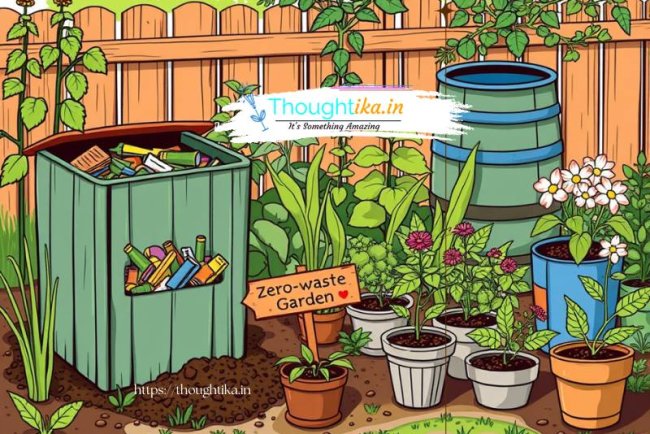
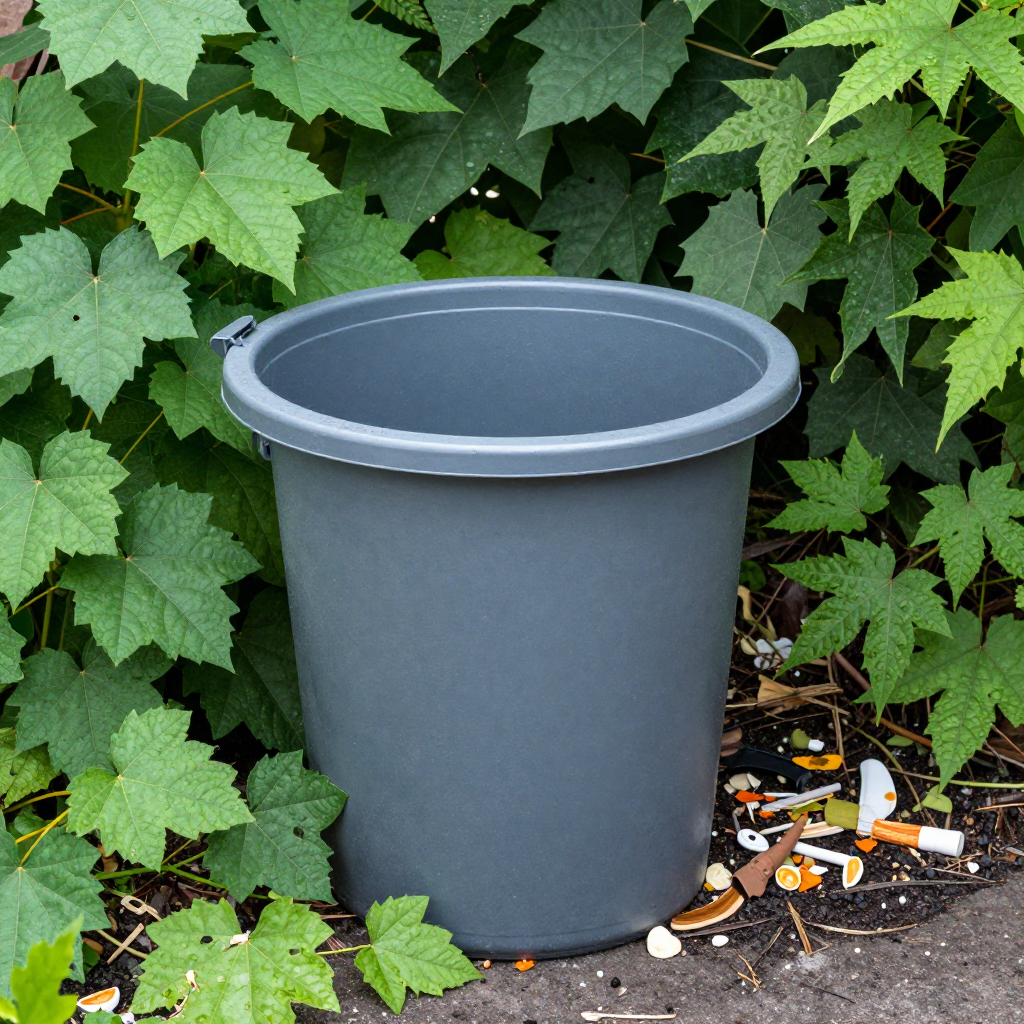
There are several options for home composting: traditional tumblers, worm bins, or simple piles. For beginners, a basic bin with a lid and good airflow is ideal. Look for a size that fits your space—usually 3–5 cubic feet—and choose a material that is durable and easy to clean.
What Goes Into Your Compost
Compost thrives on a balance of green (nitrogen) and brown (carbon) materials. Green items include fruit and vegetable scraps, coffee grounds, and fresh grass clippings. Brown items are leaves, straw, paper, and dry twigs. Aim for a 3:1 brown-to-green ratio to keep the pile moist but not soggy.
Green Materials
- Fruit and vegetable peels
- Coffee grounds and filters
- Tea bags (without plastic)
- Fresh grass clippings
Brown Materials
- Dry leaves
- Paper and cardboard (shredded)
- Straw or hay
- Twigs and small branches
Building Your Compost Pile
Start with a layer of coarse brown material to improve drainage. Then alternate layers of green and brown, adding about 4–6 inches of each. Sprinkle a handful of compost starter or a bit of finished compost to introduce beneficial microbes. Keep the pile moist, like a wrung‑out sponge, and turn it every 2–3 weeks to aerate and speed up decomposition.
Common Composting Mistakes to Avoid
1. Overwatering: Excess moisture creates a foul smell and slows decomposition. 2. Too much green: A pile that is too nitrogen‑rich can become slimy. 3. Neglecting aeration: Turning the pile introduces oxygen, essential for aerobic bacteria.
Harvesting Your Compost
After 2–4 months, your compost should look dark, crumbly, and earthy. Strain out any large chunks and use the finished product to amend garden beds, potting mixes, or mulch around trees. The result is richer soil that supports healthier plants and reduces the need for chemical fertilizers.
Eco-Friendly Tips
• Use a compostable bag for small, quick‑turning piles.
• Add kitchen scraps to a worm bin for rapid decomposition.
• Store leftover compost in a sealed container to prevent pests.
Composting at home is a rewarding habit that benefits both your garden and the planet. With the right tools, a balanced mix of materials, and regular maintenance, you’ll soon enjoy the fruits of your labor—literally—without adding waste to the landfill.
What's Your Reaction?