Organic Composting at Home Made Easy: A Step-by-Step Guide
Learn how to create nutrient-rich compost at home using organic waste and simple techniques.
Organic Composting at Home Made Easy: A Step-by-Step Guide
Composting is a simple and effective way to reduce waste, create nutrient-rich soil, and promote sustainable living. In this article, we will explore the basics of organic composting at home, including what materials to use, how to set up a compost bin, and tips for maintaining a healthy compost pile.
What is Composting?
Composting is the process of breaking down organic materials into a nutrient-rich soil amendment. This process involves microorganisms such as bacteria and fungi that feed on the organic matter, releasing carbon dioxide, water, and heat in the process.
Benefits of Composting
Composting offers numerous benefits for gardeners and homeowners, including reducing waste sent to landfills, creating a natural fertilizer, and improving soil structure and fertility. Compost can also help to suppress plant diseases, attract beneficial insects, and support healthy microbial populations.
Materials for Composting
The key to successful composting is to use a mix of "green" and "brown" materials. Green materials include food scraps, grass clippings, and manure, while brown materials include dried leaves, straw, and shredded newspaper. Aim for a mix of 2/3 brown materials and 1/3 green materials.
Setting Up a Compost Bin
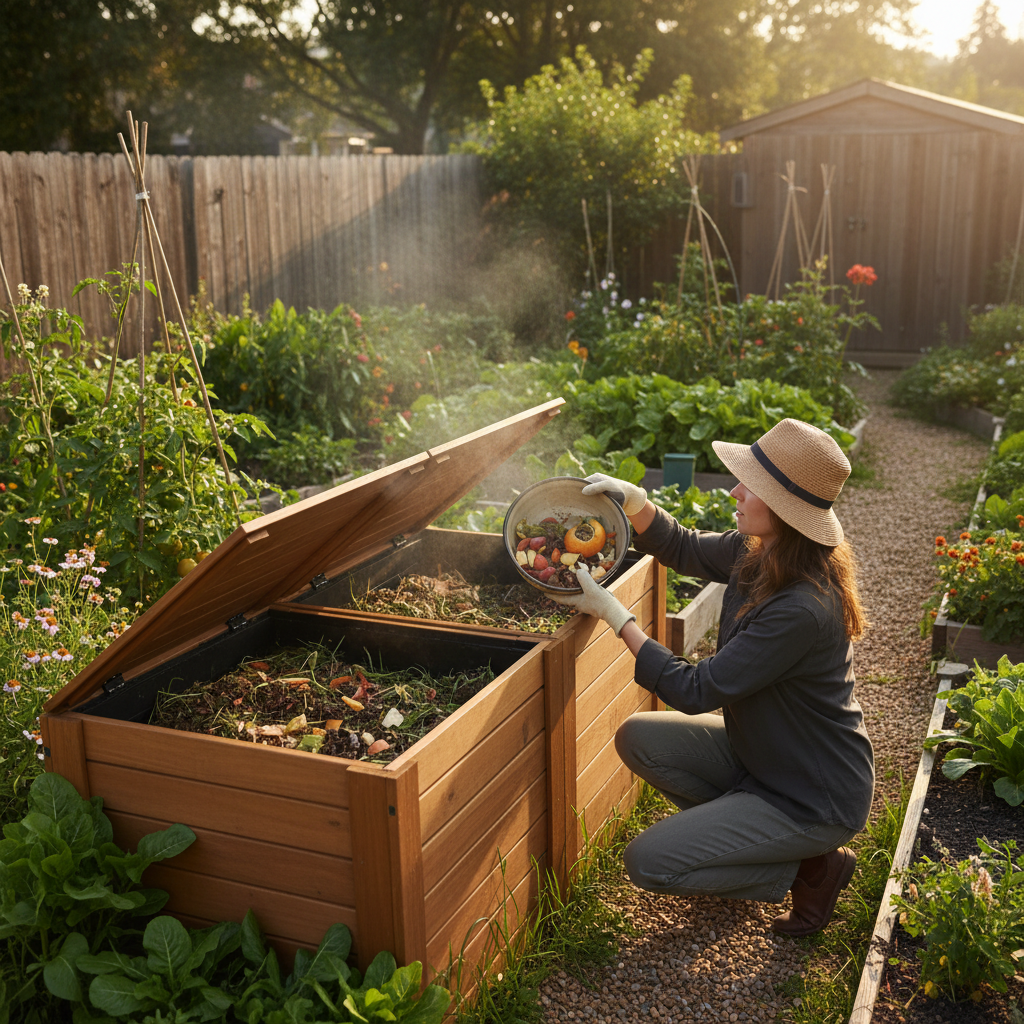
There are several options for setting up a compost bin, including purchasing a pre-made bin, building a bin from scratch, or using a wire mesh enclosure. Choose a location for your bin that is well-ventilated, accessible, and out of direct sunlight.
Maintaining a Healthy Compost Pile
To maintain a healthy compost pile, ensure that it is kept moist, turned regularly, and has a mix of green and brown materials. Avoid adding meat, dairy, and oily foods, as these can attract pests and create unpleasant odors.
Common Composting Mistakes
Some common mistakes to avoid when composting include over-mixing the pile, not adding enough brown materials, and not turning the pile regularly. By following these tips and avoiding common mistakes, you can create a thriving compost pile that will provide you with nutrient-rich soil for years to come.
Conclusion
Organic composting at home is a simple and effective way to reduce waste, create nutrient-rich soil, and promote sustainable living. By following the steps outlined in this article, you can create a thriving compost pile that will benefit your garden and the environment.
What's Your Reaction?