The Benefits of Composting for Reducing Waste: A Sustainable Solution for a Greener Environment
Discover the benefits of composting for reducing waste and creating a sustainable environment.
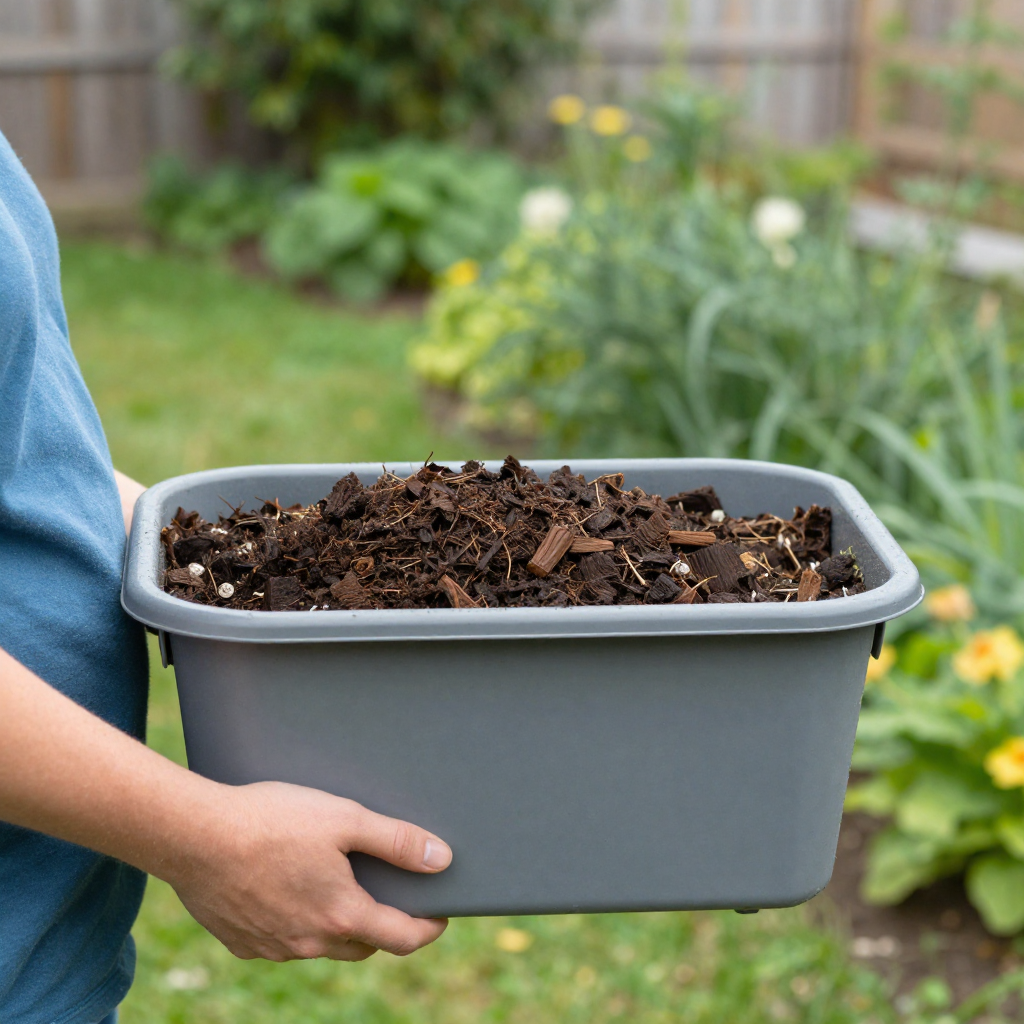
The Benefits of Composting for Reducing Waste
Composting is a simple and effective way to reduce waste and create a sustainable environment. By turning organic waste into a nutrient-rich soil amendment, composting helps to reduce the amount of waste sent to landfills and minimize the environmental impact of waste disposal. In this article, we will explore the benefits of composting for reducing waste and provide tips on how to get started with composting at home.
One of the primary benefits of composting is the reduction of waste sent to landfills. According to the Environmental Protection Agency (EPA), food waste accounts for approximately 21% of municipal solid waste in the United States. By composting food waste, we can significantly reduce the amount of waste sent to landfills and minimize the production of methane, a potent greenhouse gas. Composting also helps to reduce the need for synthetic fertilizers and pesticides, which can pollute waterways and harm wildlife.
Another benefit of composting is the creation of a nutrient-rich soil amendment. Compost is rich in nutrients and organic matter, making it an ideal soil amendment for gardens and agricultural fields. By using compost, gardeners and farmers can improve soil fertility, structure, and overall health, leading to healthier plants and increased crop yields. Compost can also help to improve soil's water-holding capacity, reducing the need for irrigation and minimizing the risk of soil erosion.
To get started with composting at home, you will need a compost bin or pile, a mix of "green" and "brown" materials, and a little patience. Green materials, such as food scraps and grass clippings, are high in nitrogen and provide the energy needed for decomposition. Brown materials, such as leaves and twigs, are high in carbon and provide structure and aeration to the compost pile. By layering green and brown materials, you can create a balanced compost pile that will break down quickly and efficiently.
In addition to reducing waste and creating a nutrient-rich soil amendment, composting also has several other benefits. Composting can help to reduce odors and pests associated with waste, improve soil's physical properties, and even sequester carbon from the atmosphere. With its many benefits and ease of use, composting is an ideal solution for anyone looking to reduce their environmental impact and create a more sustainable environment.
What's Your Reaction?