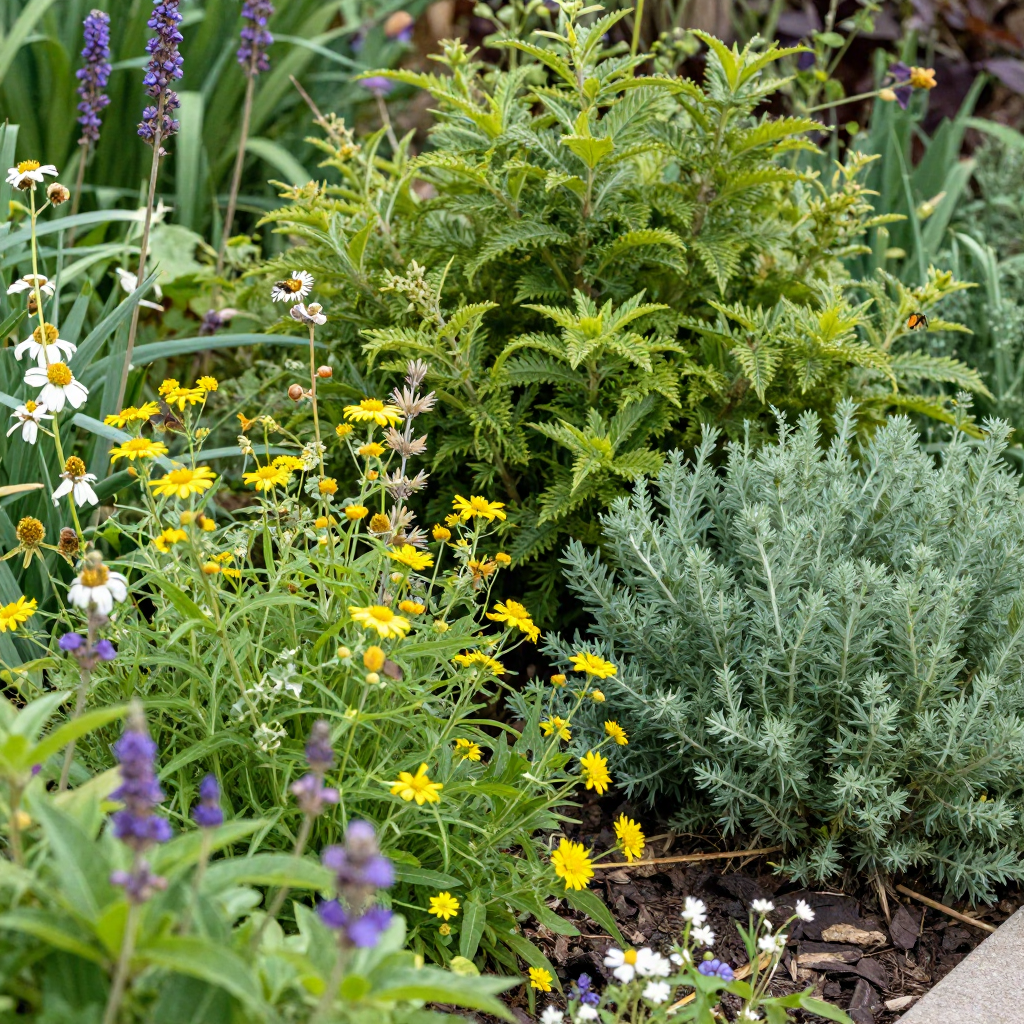
The Role of Biodiversity in Our Garden: Enhancing Ecosystems and Health
Learn about the importance of biodiversity in gardens, how it enhances ecosystems and human health, and discover ways to incorporate it into your outdoor space.
The Role of Biodiversity in Our Garden: Enhancing Ecosystems and Health
Biodiversity is the foundation of a healthy garden, providing numerous benefits to both the ecosystem and human health. A diverse range of plants, animals, and microorganisms work together to create a balanced and thriving environment. In this article, we will explore the importance of biodiversity in gardens and discuss ways to incorporate it into your outdoor space.
The concept of biodiversity refers to the variety of different species of plants, animals, and microorganisms that live in an ecosystem. In gardens, biodiversity can be enhanced by introducing a range of plants, including native flowers, trees, and shrubs. This not only attracts pollinators and other beneficial insects but also provides food and shelter for wildlife.
One of the most significant benefits of biodiversity in gardens is the provision of ecosystem services. These services include pollination, pest control, and nutrient cycling, all of which are essential for maintaining a healthy garden. For example, bees and butterflies are crucial pollinators, while ladybugs and lacewings help to control pests that can damage plants.
In addition to the benefits to the ecosystem, biodiversity in gardens also has a positive impact on human health. Studies have shown that being in nature, surrounded by diverse plants and wildlife, can reduce stress levels, improve mood, and even lower blood pressure. Furthermore, gardens with high levels of biodiversity have been shown to have higher levels of air quality and lower levels of air pollution.
So, how can you incorporate biodiversity into your garden? Here are a few tips:
1. Plant a variety of native flowers, trees, and shrubs to attract pollinators and other beneficial insects.
2. Incorporate a range of plants that provide food and shelter for wildlife, such as bird-friendly plants and insect hotels.
3. Create a pollinator garden, featuring plants that are rich in nectar and pollen.
4. Avoid using pesticides and herbicides, which can harm beneficial insects and other wildlife.
5. Consider incorporating a rain garden or wetland into your garden design to provide habitat for amphibians and other aquatic species.
By incorporating biodiversity into your garden, you can create a thriving ecosystem that benefits both the environment and human health. Whether you have a small balcony or a large backyard, there are many ways to enhance biodiversity in your outdoor space.
So, get creative and start designing your biodiverse garden today!
What's Your Reaction?