The Benefits of Composting for Soil Fertility: Enhancing Your Garden's Productivity
Discover the advantages of composting for soil fertility and learn how to create a nutrient-rich garden with our expert guide.
The Benefits of Composting for Soil Fertility: Enhancing Your Garden's Productivity
Composting is a simple yet effective way to improve soil fertility and promote healthy plant growth in your garden. By breaking down organic matter into a nutrient-rich compost, you can provide your plants with the essential nutrients they need to thrive. In this article, we'll explore the benefits of composting for soil fertility and provide you with a step-by-step guide on how to create your own compost.
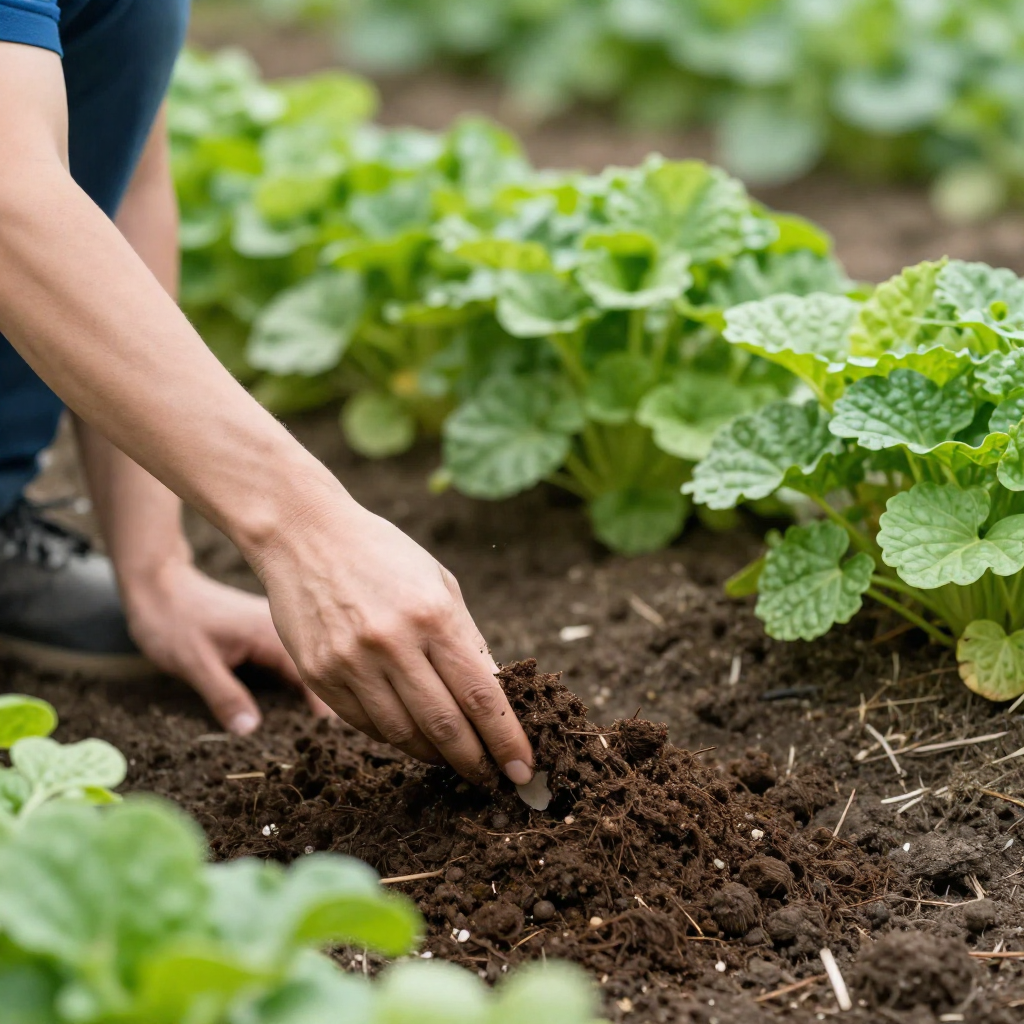
Soil fertility is crucial for plant growth, and composting is an excellent way to improve the health of your soil. Compost is rich in nutrients, microorganisms, and beneficial insects that help to break down organic matter and recycle nutrients. By adding compost to your soil, you can increase its water-holding capacity, improve its structure, and promote healthy root growth.
There are several benefits of composting for soil fertility, including:
- Improved soil structure: Compost helps to break down clay particles and improve soil drainage, making it easier for plants to absorb water and nutrients.
- Increased nutrient availability: Compost is rich in nutrients, including nitrogen, phosphorus, and potassium, which are essential for plant growth.
- Enhanced microbial activity: Compost is home to a diverse range of microorganisms that help to break down organic matter and recycle nutrients.
- Reduced soil erosion: Compost helps to bind soil particles together, reducing the risk of soil erosion and runoff.
To create your own compost, you'll need a mix of green materials, such as food waste and grass clippings, and brown materials, such as leaves and twigs. You'll also need a container or compost bin to hold your compost pile. Here's a simple step-by-step guide to getting started:
- Collect your materials: Start by collecting a mix of green and brown materials. Green materials, such as food waste and grass clippings, are high in nitrogen and will help to speed up the composting process. Brown materials, such as leaves and twigs, are high in carbon and will help to balance out the nitrogen.
- Layer your materials: Start by adding a layer of brown materials to the bottom of your compost bin. This will help to absorb excess moisture and prevent odors. Next, add a layer of green materials, followed by another layer of brown materials.
- Add water: Compost needs to be kept moist, but not soggy. Add water as needed to keep your compost pile moist but not waterlogged.
- Aerate your compost: Every few days, use a pitchfork or shovel to aerate your compost pile. This will help to speed up the composting process and prevent odors.
By following these simple steps, you can create your own compost and improve the fertility of your soil. Remember to add compost to your soil regularly to promote healthy plant growth and a thriving garden.
In conclusion, composting is a simple and effective way to improve soil fertility and promote healthy plant growth in your garden. By following the steps outlined in this article, you can create your own compost and reap the benefits of a nutrient-rich garden.
Whether you're a seasoned gardener or just starting out, composting is an excellent way to improve the health of your soil and promote healthy plant growth. So why not give it a try and see the benefits for yourself?
What's Your Reaction?