Fermentation as a Sustainable Food Preservation Method: Unlocking the Power of Microorganisms
Discover the benefits of fermentation as a sustainable food preservation method, and learn how microorganisms can help reduce food waste and create healthier food options.

Fermentation as a Sustainable Food Preservation Method: Unlocking the Power of Microorganisms
Fermentation is an ancient food preservation method that has been used for centuries to extend the shelf life of food. This process involves allowing microorganisms such as bacteria and yeast to break down the sugars and other compounds in food, creating lactic acid and other compounds that act as natural preservatives. Fermentation is a sustainable food preservation method that not only reduces food waste but also creates healthier food options for consumers.
There are several benefits to using fermentation as a food preservation method. Firstly, it reduces food waste by allowing consumers to use up old or spoiled food before it goes bad. This can be particularly useful for households with limited storage space or for people who struggle to use up their groceries before they expire. Secondly, fermentation creates a more nutritious food option by increasing the bioavailability of nutrients and creating beneficial compounds such as probiotics and antioxidants. This can be particularly beneficial for people with compromised immune systems or those who are looking to improve their overall health and wellbeing.
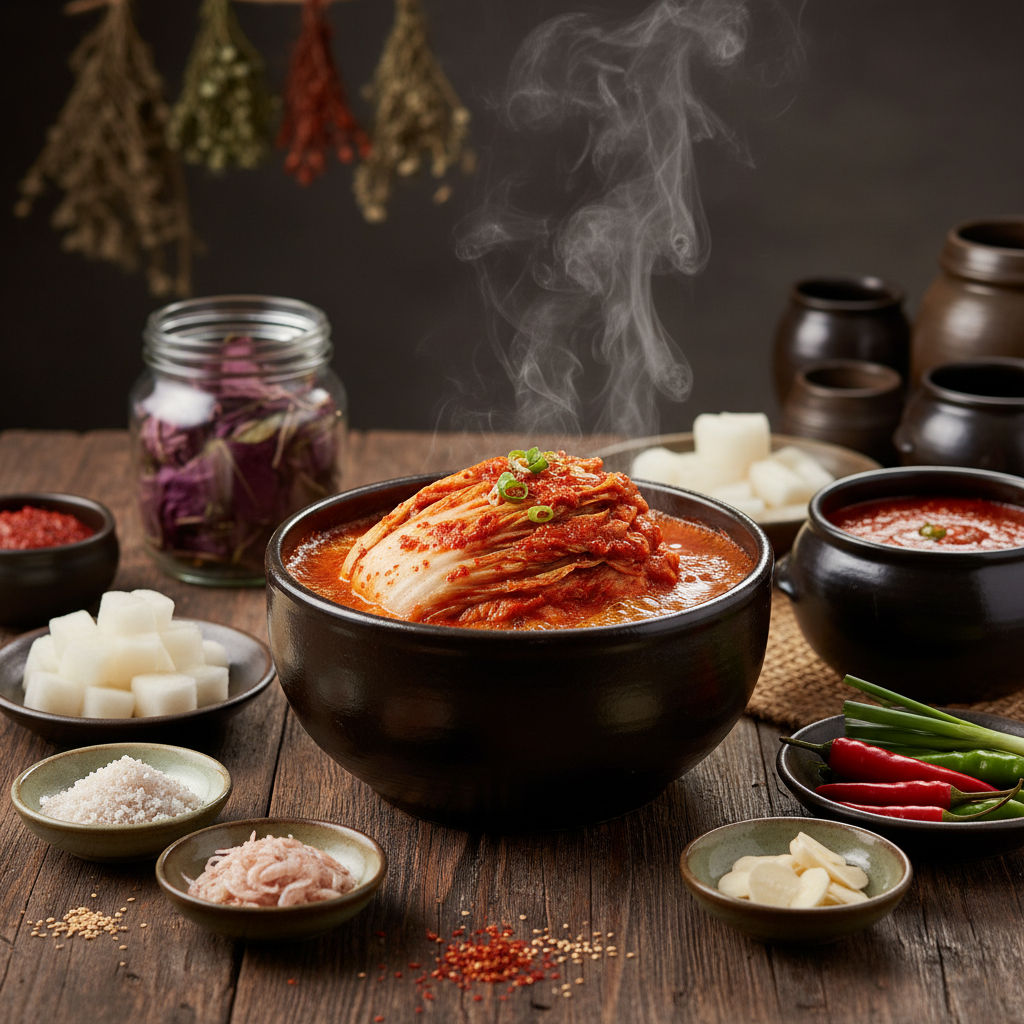
There are several different fermentation methods that can be used, including lacto-fermentation, which involves using lactic acid bacteria to ferment foods such as sauerkraut and kimchi. Other methods include ethanol fermentation, which is used to produce beer and wine, and sourdough fermentation, which is used to produce bread. Each of these methods has its own unique benefits and drawbacks, and the choice of method will depend on the type of food being fermented and the desired outcome.
In addition to its many benefits, fermentation is also a relatively low-cost and low-tech food preservation method. This makes it accessible to people of all income levels and backgrounds, and can be particularly useful for households in developing countries where access to refrigeration may be limited. Furthermore, fermentation can be done at home using simple equipment such as glass jars and cheesecloth, making it a fun and rewarding hobby for food enthusiasts.
Overall, fermentation is a sustainable food preservation method that offers a range of benefits for consumers and the environment. By unlocking the power of microorganisms, we can reduce food waste, create healthier food options, and promote food security and sustainability. Whether you are a seasoned foodie or just starting out, fermentation is definitely worth exploring as a food preservation method.
Some popular fermented foods include sauerkraut, kimchi, kefir, yogurt, cheese, bread, beer, and wine. These foods can be easily made at home using simple equipment and ingredients, and can be stored for extended periods of time without refrigeration. In addition to their many health benefits, fermented foods also offer a unique and delicious flavor that is sure to please even the most discerning palate.
For those who are new to fermentation, there are many resources available to help get started. These include online tutorials, cookbooks, and fermentation communities that can provide guidance and support as you learn and experiment with different fermentation methods. With a little practice and patience, you can unlock the power of microorganisms and start enjoying the many benefits of fermented foods.
In conclusion, fermentation is a sustainable food preservation method that offers a range of benefits for consumers and the environment. By reducing food waste, creating healthier food options, and promoting food security and sustainability, fermentation is an important tool for anyone looking to make a positive impact on their health and the planet. Whether you are a seasoned foodie or just starting out, fermentation is definitely worth exploring as a food preservation method.
What's Your Reaction?