Overactive vs Underactive Third Eye Chakra: Symptoms, Causes, and Balancing Techniques
Discover the differences between an overactive and underactive third eye chakra, learn how to spot the symptoms, understand the root causes, and find practical balancing techniques for a clearer, more intuitive mind.
Overactive vs Underactive Third Eye Chakra: Symptoms, Causes, and Balancing Techniques
The third eye chakra, or Ajna, sits between the eyebrows and is the gateway to intuition, insight, and higher consciousness. When this center is out of balance, it can manifest as either an overactive or underactive state. Understanding the differences between these two conditions helps you identify symptoms, uncover root causes, and choose the right practices to restore harmony. In this guide, we’ll explore the signs of an overactive or underactive third eye, the common triggers, and step‑by‑step techniques for balancing your inner vision.
What Is the Third Eye Chakra?
The third eye chakra is a subtle energy center that governs perception beyond the physical realm. It influences:
- Intuition and gut feelings
- Clarity of thought and decision making
- Dream recall and creative visualization
- Connection to higher wisdom and spiritual insight
When Ajna is balanced, you experience a calm, clear mind, a steady sense of purpose, and a natural ability to see patterns in life. When it’s imbalanced, the mind either becomes flooded with noise or shuts down, leading to confusion, anxiety, or numbness.
Signs of an Overactive Third Eye
An overactive third eye can feel like a hyper‑charged mental state. Common symptoms include:
- Constant mental chatter: Thoughts race, making it hard to focus.
- Frequent vivid dreams: Dreams feel real, sometimes overwhelming.
- Heightened sensitivity: You may feel emotional or physical sensations too strongly.
- Difficulty sleeping: Restlessness or insomnia due to racing thoughts.
- Feeling detached: A sense of “floating” or being disconnected from reality.
These symptoms often stem from overstimulation of the mind, either through excessive media consumption, high stress, or a tendency to overthink.
Signs of an Underactive Third Eye
An underactive third eye presents as a muted inner voice and a lack of clarity. Look for:
- Mental fog: Difficulty concentrating or remembering.
- Low intuition: Feeling unsure about decisions or lacking gut feelings.
- Dreamlessness: Few or no dreams, and poor dream recall.
- Emotional numbness: A flat affect or feeling emotionally disconnected.
- Feeling stuck: Trouble seeing new possibilities or creative ideas.
These issues often arise from neglect, emotional suppression, or chronic stress that blocks energy flow.
Common Causes of Imbalance
Overactivity Triggers
- Constant exposure to technology and social media.
- High-pressure environments that demand constant mental alertness.
- Unresolved emotional trauma that keeps the mind in a state of hyper‑vigilance.
- Use of stimulants such as caffeine or energy drinks.
Underactivity Triggers
- Chronic stress or anxiety that drains mental energy.
- Over‑reliance on external validation or external information.
- Suppression of emotions or denial of inner feelings.
- Lack of creative or reflective practices.
Balancing Techniques for the Third Eye
For Overactive Third Eye
- Grounding Meditation: Sit comfortably, breathe deeply, and visualize roots extending from your feet into the earth. Focus on the sensation of being grounded.
- Digital Detox: Limit screen time to 1–2 hours per day and schedule tech‑free periods, especially before bed.
- Mindful Listening: Practice active listening in conversations to shift focus from internal chatter to external presence.
- Grounding Foods: Incorporate root vegetables, warm soups, and foods rich in magnesium to calm the nervous system.
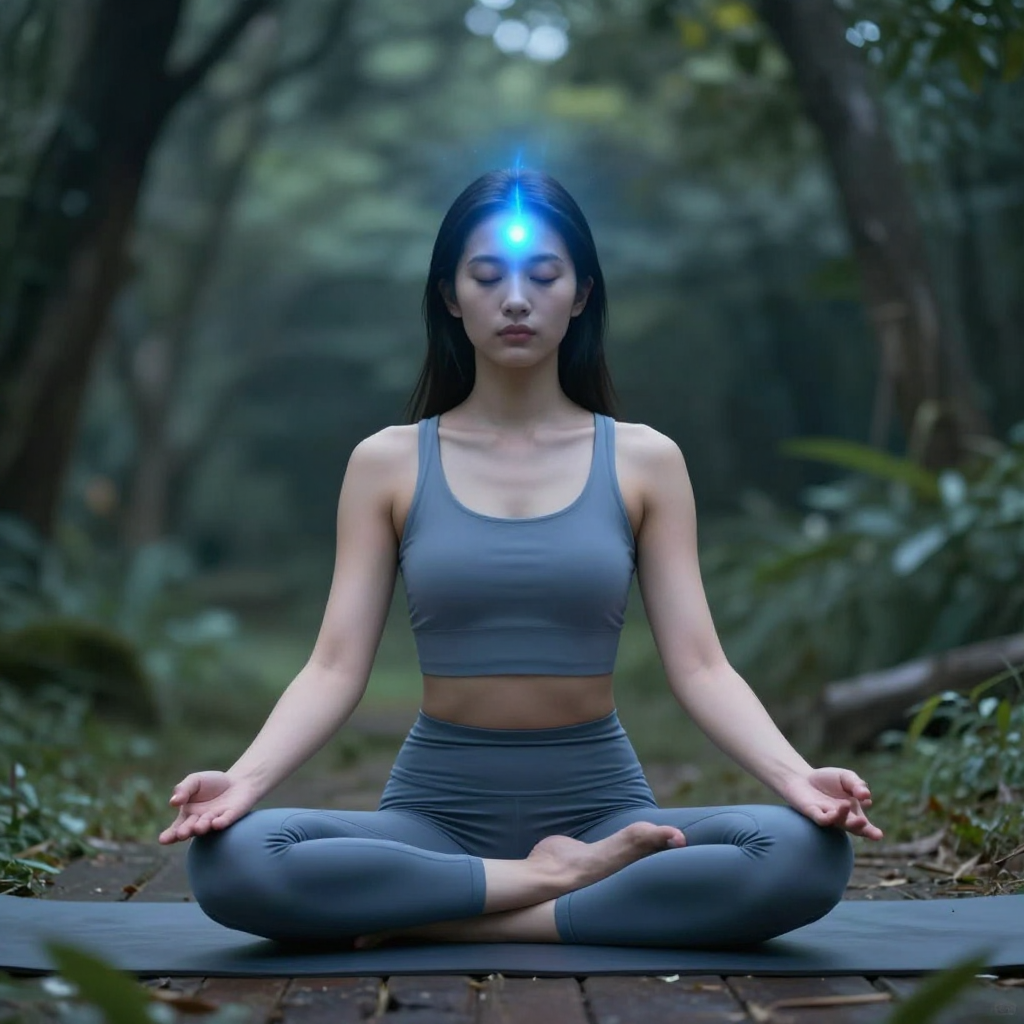
- Visualization of a Blue Light: Picture a calm indigo light at your brow, slowly pulsing to a steady rhythm.
For Underactive Third Eye
- Journaling: Write daily reflections, dreams, and intuitive insights to activate the mind.
- Creative Expression: Engage in art, music, or dance to stimulate mental imagery.
- Breathing Techniques: Practice alternate nostril breathing (nadi shodhana) to balance energy flow.
- Visualization of a Clear Blue Sky: Imagine a bright indigo sky at your brow, expanding outward with each breath.
- Spiritual Reading: Read texts that inspire curiosity and deeper understanding.
Daily Routine to Maintain Balance
Integrate the following simple habits into your day:
- Morning meditation for 5–10 minutes focusing on the third eye.
- Midday grounding break: walk barefoot on grass or sand.
- Evening reflection: note one intuitive insight or dream fragment.
Consistency is key. Even a few minutes each day can keep your Ajna chakra in harmony.
When to Seek Professional Help
If you experience:
- Severe anxiety or panic attacks.
- Persistent sleep disturbances.
- Sudden changes in perception or reality testing.
Consult a licensed therapist, energy healer, or holistic practitioner to address deeper issues.
Conclusion
Recognizing whether your third eye chakra is overactive or underactive is the first step toward restoring inner balance. By observing symptoms, understanding triggers, and practicing targeted techniques, you can cultivate a clear, calm, and intuitive mind. Start today with simple grounding and visualization practices, and watch your inner vision sharpen, empowering you to navigate life with greater insight and confidence.
What's Your Reaction?