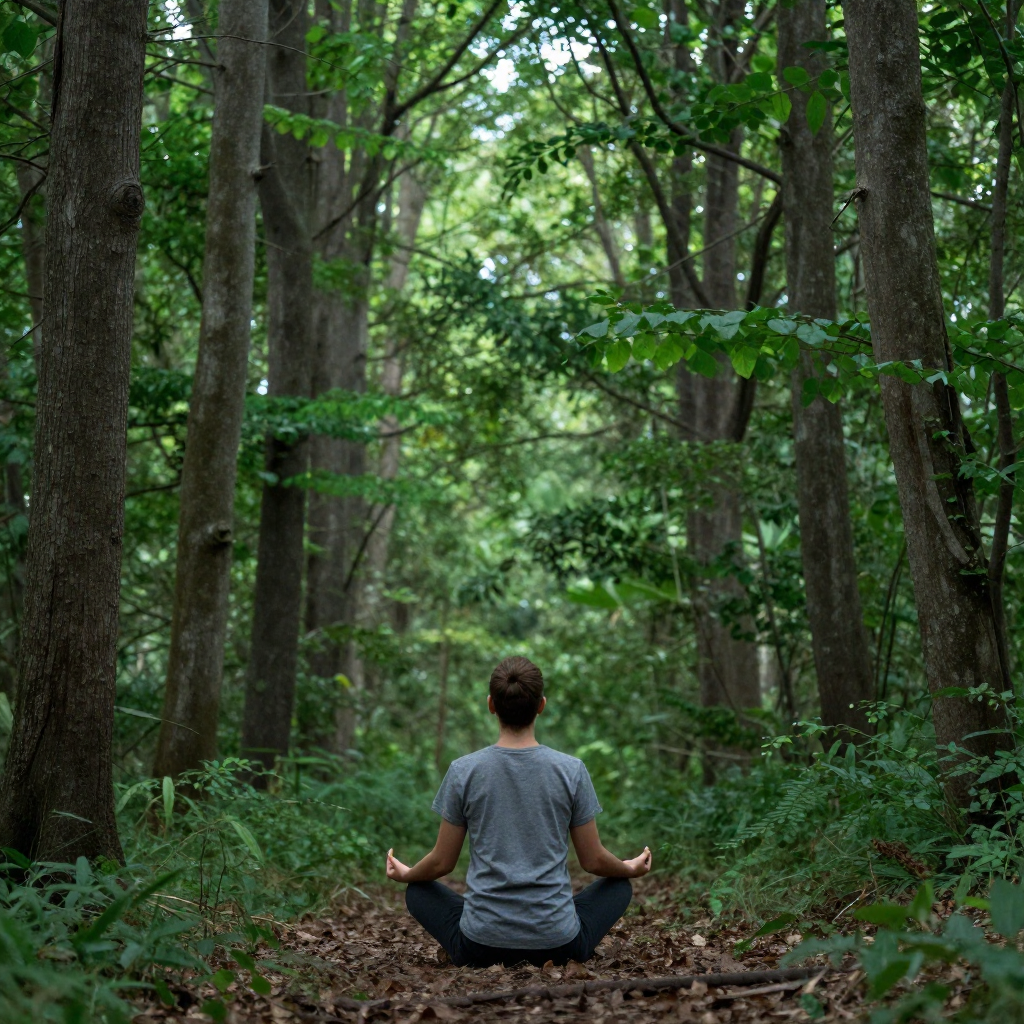
Overactive vs Closed Heart Chakra: Key Differences and How to Balance
Discover the differences between an overactive and a closed heart chakra, signs, impacts on health, and practical steps to restore balance for emotional well‑being.

Overactive vs Closed Heart Chakra: Key Differences and How to Balance
The heart chakra, or Anahata, sits at the center of our emotional life. When it functions optimally, we feel love, compassion, and harmony. However, many people experience either an overactive or a closed heart chakra, each presenting distinct challenges. Understanding these differences can help you identify symptoms, recognize the root causes, and apply targeted practices to restore equilibrium.
What Is the Heart Chakra?
The heart chakra is the fourth of the seven primary energy centers in the body. Located in the chest, it governs our capacity to give and receive love, empathy, and forgiveness. In yogic tradition, it is associated with the green color, the sound “Yam,” and the Sanskrit root meaning “to bind.” When balanced, this center connects the physical and spiritual realms, allowing us to experience deep relationships and inner peace.
Signs of an Overactive Heart Chakra
An overactive heart chakra often manifests as emotional excess. People may feel intense, unfiltered emotions that can be overwhelming or exhausting. Common indicators include:
- Constant longing for affection or approval.
- Difficulty setting boundaries, leading to emotional burnout.
- Unrealistic optimism that masks underlying issues.
- Frequent mood swings or emotional volatility.
- Physical symptoms such as chest tightness or palpitations due to heightened heart rate.
These symptoms arise when the heart energy flows too freely, causing a flood of feelings that the body struggles to process.
Signs of a Closed Heart Chakra
A closed or blocked heart chakra, on the other hand, suppresses emotional flow. Those with a closed heart often feel disconnected, indifferent, or emotionally numb. Key signs include:
- Difficulty expressing love or empathy.
- Feeling of isolation or loneliness, even in relationships.
- Anxious or depressed mood with little motivation.
- Physical tension in the chest or shoulders.
- Resistance to forgiveness or compassion toward others.
When the heart chakra is blocked, the energy that should circulate freely is trapped, creating a sense of emotional stagnation.
Root Causes of Overactivity and Closure
Both extremes stem from life experiences and habits. Overactivity often arises from:
- Early emotional trauma that demands constant reassurance.
- Living in an environment of hyper‑connectivity or social media, which amplifies emotional stimuli.
- Practices that emphasize emotional expression without grounding, such as unstructured meditation or intense group therapy.
In contrast, a closed heart can result from:
- Repressed feelings due to fear of vulnerability.
- Negative relationship patterns that discourage emotional sharing.
- Long‑term stress or burnout that depletes the heart’s energy.
Understanding these origins helps tailor corrective actions.
Diagnosing Your Heart Chakra State
Self‑assessment tools can provide insight. Consider the following questions:
- Do I feel emotionally overwhelmed or numb?
- Am I constantly seeking validation or avoiding intimacy?
- Do I experience chest tightness or emotional detachment?
Reflecting on these can guide whether you need to calm an overactive center or open a closed one.
Balancing an Overactive Heart Chakra
Grounding Techniques
Grounding helps redirect excess energy. Try:
- Walking barefoot on grass while focusing on breath.
- Visualization of roots extending into the earth.
- Mindful eating with attention to taste and texture.
Setting Healthy Boundaries
Practice saying no without guilt. Use affirmations like, “I honor my needs and those of others.”
Breathing Exercises
Box breathing (inhale, hold, exhale, hold) calms the nervous system and tempers emotional spikes.
Balancing a Closed Heart Chakra
Heart‑Opening Meditation
Visualize a green light expanding from the chest, filling the body with warmth.
Acts of Compassion
Volunteer or help a friend. Small acts of kindness release stored tension.
Movement Practices
Yoga poses such as Camel (Ustrasana) or Fish (Matsyasana) stretch the chest and stimulate circulation.
Integrating Practices for Long‑Term Balance
Combine both sets of practices into a daily routine:
- Morning grounding walk or breathwork.
- Midday compassion exercise or gratitude journaling.
- Evening meditation focusing on heart light.
Consistency nurtures a healthy heart chakra that neither floods nor stagnates.
Conclusion
Recognizing whether your heart chakra is overactive or closed empowers you to take intentional steps toward balance. By grounding excess energy or opening a blocked center, you can cultivate emotional resilience, deeper relationships, and overall well‑being. Start today with simple practices, and watch your heart energy transform into a steady, compassionate source of life force.
What's Your Reaction?