How Festivals Shape Indian Culture: A Celebration of Diversity and Unity
Discover the significance of festivals in Indian culture, their impact on unity and diversity, and how they shape the nation's traditions.
Festivals in India are an integral part of the country's rich cultural heritage.
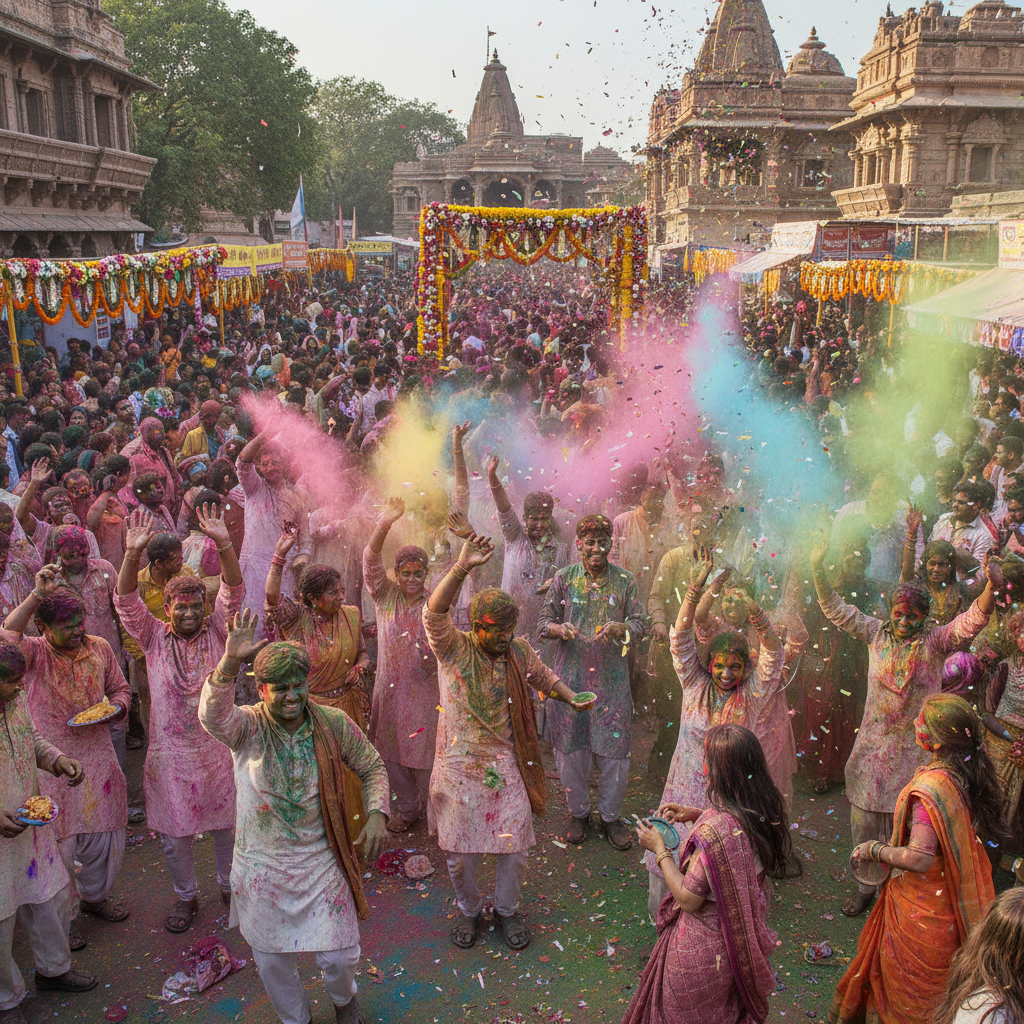
With over 22 major festivals celebrated throughout the year, India's diverse culture is a perfect blend of tradition and modernity. From Diwali, the festival of lights, to Holi, the festival of colors, each festival has its own unique significance and charm. In this article, we will explore the importance of festivals in Indian culture and how they shape the nation's traditions.
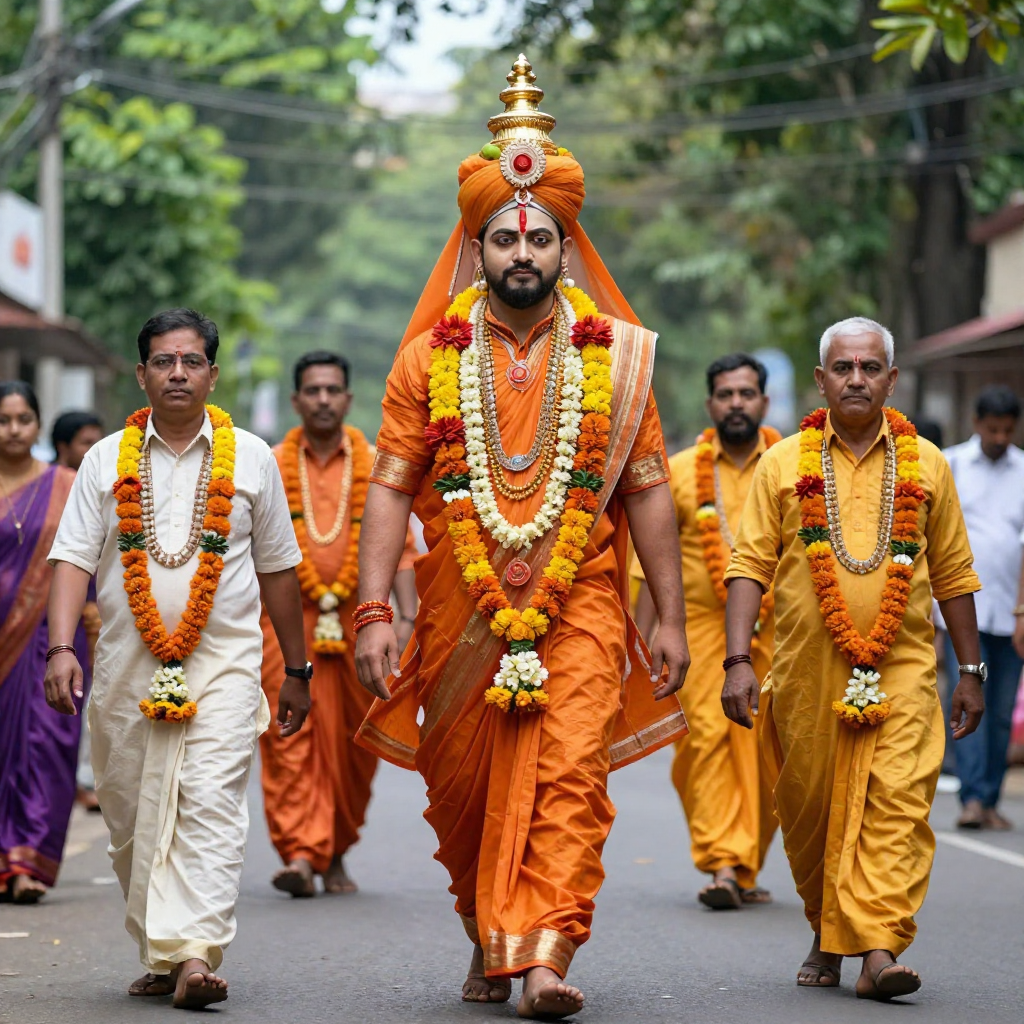
Festivals in India are not just celebrations, but they are also a way to bring people together. They promote unity and diversity, and help to break down social barriers. Whether it's the vibrant colors of Navratri or the sacred rituals of Ganesh Chaturthi, each festival has its own unique flavor and appeal. Additionally, festivals in India are also a great way to experience the country's rich cultural heritage, with its diverse traditions and customs.
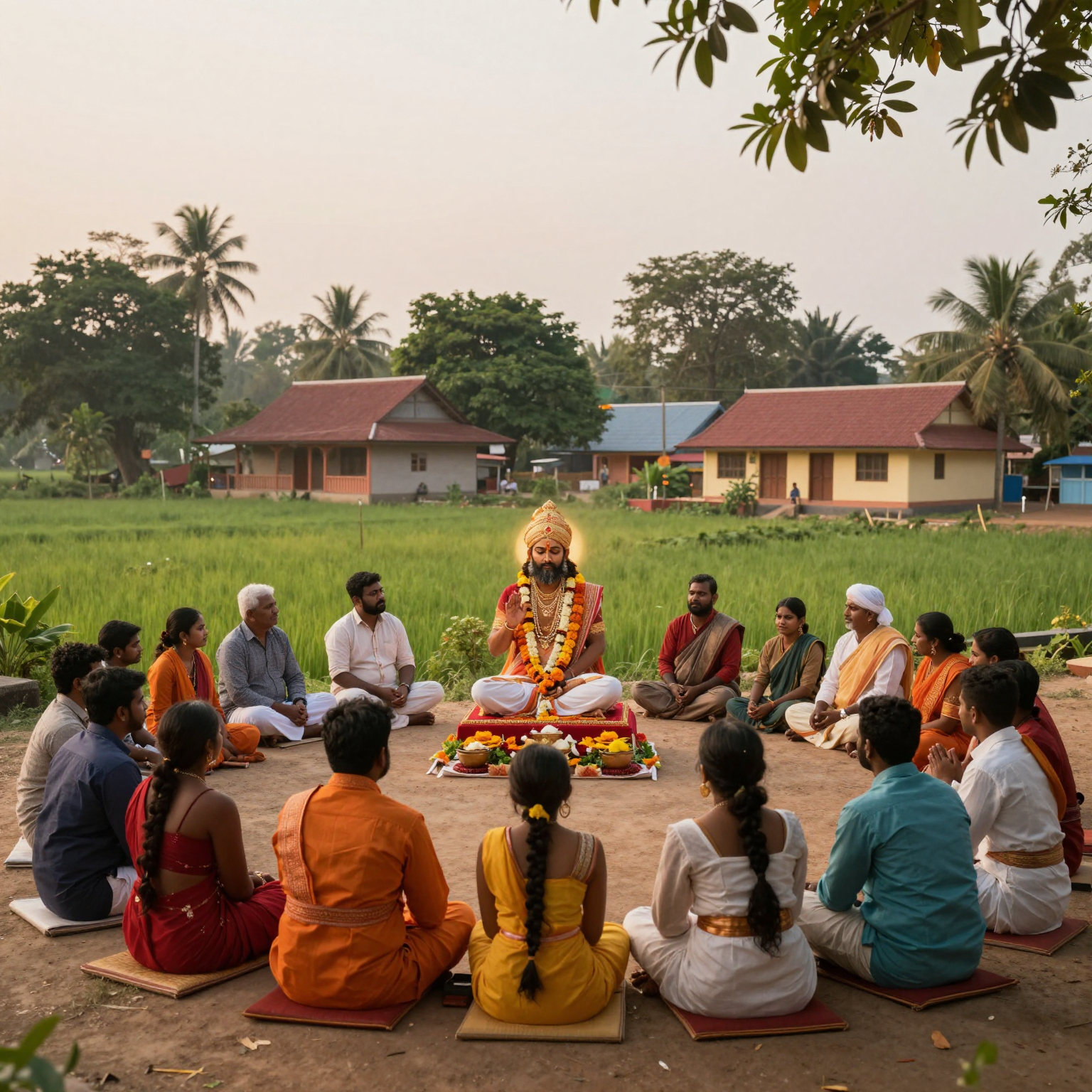
One of the most significant aspects of Indian festivals is their ability to bring people together. Whether it's the joyous celebrations of Eid or the sacred rituals of Pongal, each festival has its own unique way of promoting unity and harmony. In a country as diverse as India, festivals play a crucial role in promoting national integration and social cohesion. By celebrating festivals together, Indians from different regions and backgrounds come together to share in the joy and festivities.
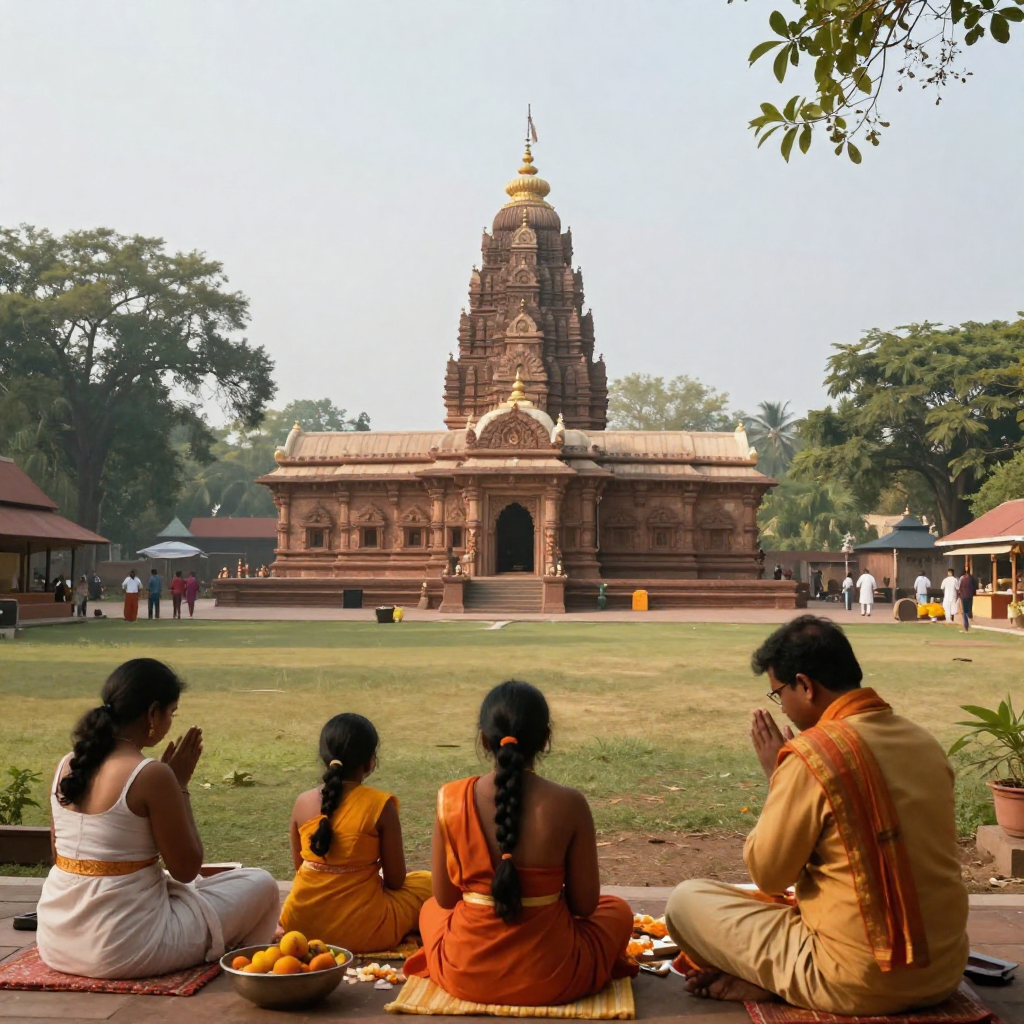
Furthermore, Indian festivals also play a significant role in shaping the country's traditions and customs. From the sacred rituals of Dussehra to the vibrant celebrations of Onam, each festival has its own unique way of promoting cultural heritage. By celebrating festivals, Indians are able to connect with their rich cultural past and preserve their traditions for future generations. In addition, festivals in India also provide a platform for people to showcase their culinary skills, with a wide range of delicious and traditional dishes being prepared during each festival.
Lastly, Indian festivals also have a significant economic impact on the country. With millions of people traveling to their hometowns and villages to celebrate festivals, the tourism industry sees a significant boost during this time. Additionally, festivals in India also provide a platform for local artisans and craftsmen to showcase their skills, with a wide range of traditional handicrafts and crafts being sold during each festival.
In conclusion, festivals in India are an integral part of the country's rich cultural heritage. They promote unity and diversity, shape the nation's traditions and customs, and have a significant economic impact on the country. Whether it's the joyous celebrations of Diwali or the sacred rituals of Ganesh Chaturthi, each festival has its own unique significance and charm. By celebrating festivals, Indians are able to connect with their rich cultural past, preserve their traditions for future generations, and promote national integration and social cohesion. So, let's celebrate the diversity and unity of Indian culture through its vibrant festivals!
What's Your Reaction?