Preserving the Rich Heritage of Indian History and Culture
Discover the importance of preserving Indian history and culture, and learn about the initiatives and efforts made to protect and promote it
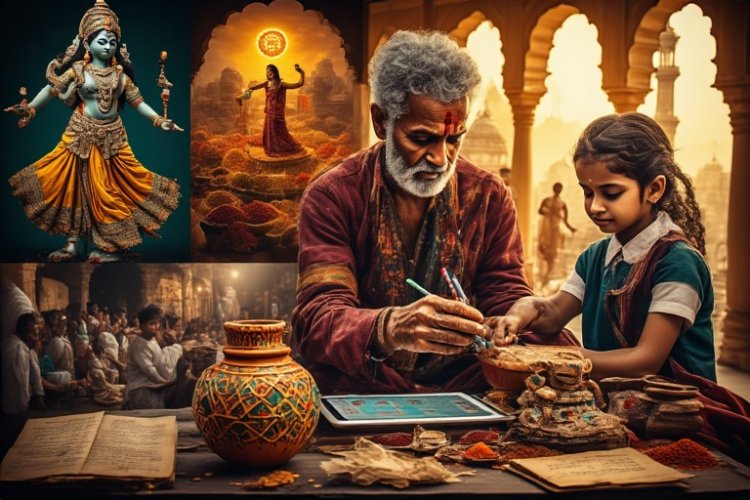
Preserving the Rich Heritage of Indian History and Culture
The rich and diverse history and culture of India is a treasure trove of knowledge, wisdom, and artistic expression. From the ancient Indus Valley Civilization to the present day, India has been a melting pot of different cultures, religions, and traditions. However, with the rapid pace of modernization and urbanization, there is a growing concern about the preservation of India's cultural heritage. In this article, we will discuss the importance of preserving Indian history and culture, and explore the initiatives and efforts made to protect and promote it.
The Indian government has taken several initiatives to preserve the country's cultural heritage. The Ministry of Culture is responsible for promoting and preserving India's cultural heritage, and has established several museums, galleries, and cultural institutions across the country. The government has also launched several schemes and programs to conserve and restore ancient monuments and historical sites. For example, the Government of India's 'Sagarmatha Sammelan' initiative aims to conserve and restore the ancient temples and monuments in the Sagarmatha region.
Non-governmental organizations (NGOs) and community groups are also playing a crucial role in preserving Indian culture. Many NGOs are working to promote traditional arts and crafts, and are providing training and employment opportunities to artisans and craftsmen. Community groups are also organizing cultural festivals and events to promote Indian culture and heritage. For example, the 'India Habitat Centre' in New Delhi is a popular hub for cultural events and exhibitions, and provides a platform for artists and artisans to showcase their work.
In addition to government initiatives and NGO efforts, individuals can also play a role in preserving Indian culture. People can learn about and appreciate India's cultural heritage by attending cultural events and exhibitions, visiting historical sites and monuments, and supporting artisans and craftsmen. By doing so, we can help to preserve the rich cultural heritage of India and pass it on to future generations.
Conclusion: Preserving Indian history and culture is a collective responsibility that requires the efforts of government, NGOs, community groups, and individuals. By working together, we can protect and promote India's cultural heritage, and ensure that it continues to thrive for generations to come.
What's Your Reaction?