Dead Glaciers Serve as a Grim Warning of Climate Change Impacts
Discover why dead glaciers are a pressing climate warning sign and what it means for our planet's future
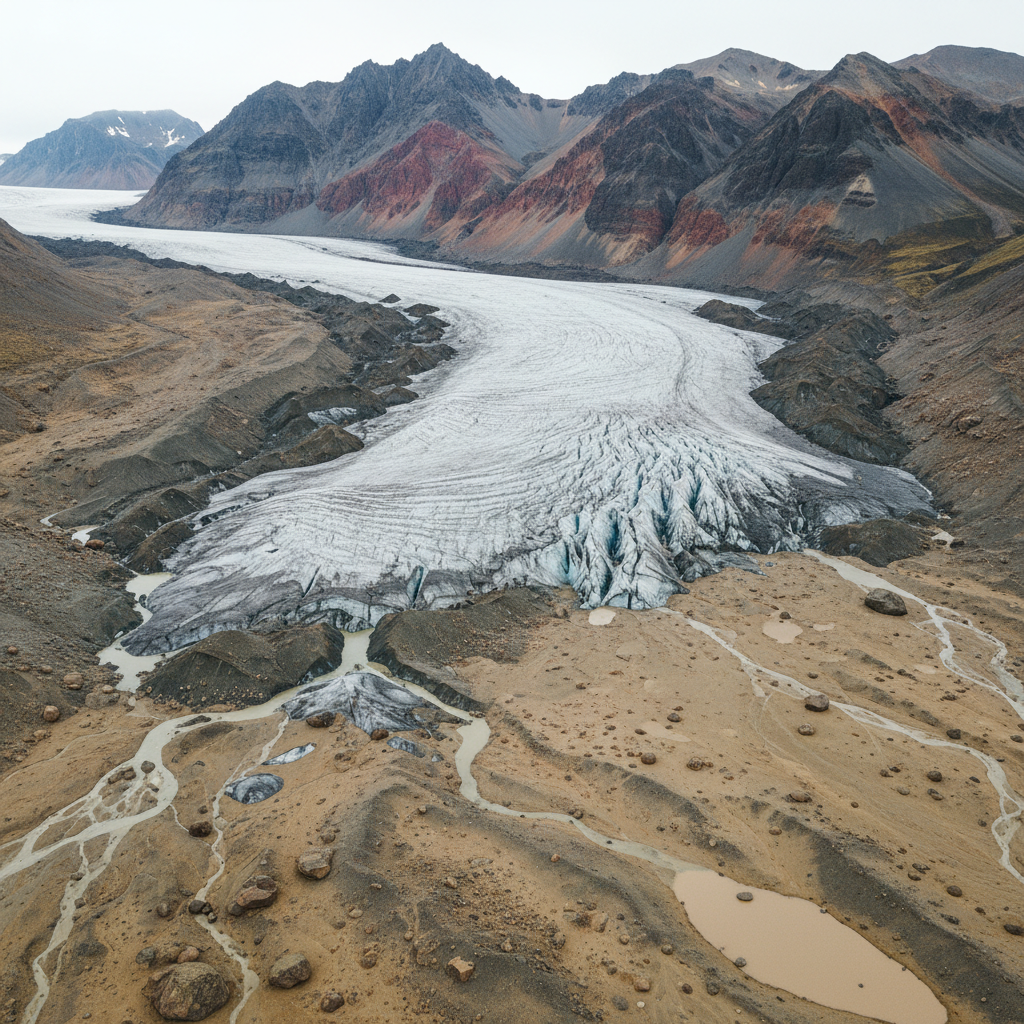
Dead Glaciers as a Climate Warning: The Devastating Reality
Glaciers have long been a testament to the Earth's natural beauty, but in recent years, the alarming rate of glacier collapse has become a stark reminder of the devastating impacts of climate change. As the world grapples with the consequences of rising temperatures, the demise of these icy giants serves as a grim warning of the catastrophic effects of global warming.
From the majestic glaciers of Alaska to the picturesque ice caps of Europe, the once-thriving ice masses are now rapidly disappearing, leaving behind a barren and desolate landscape. The consequences of this phenomenon are far-reaching, with implications for sea levels, water supply, and the global ecosystem.
One of the most striking examples of glacier collapse is the famous Mendenhall Glacier in Alaska, which has lost over 80% of its ice mass in the past century. Similarly, the iconic Vatnajökull glacier in Iceland has shrunk by an astonishing 30% in just a few decades.
The rapid melting of glaciers is not just a visual spectacle; it has severe consequences for the environment and human societies. Rising sea levels pose a significant threat to coastal communities, while changes in water supply and river flow patterns can have devastating impacts on agriculture and ecosystems.
So, what is driving the alarming rate of glacier collapse? The answer lies in the increasing levels of greenhouse gases in the atmosphere, primarily carbon dioxide and methane. These gases trap heat, leading to a rise in global temperatures, which in turn accelerates the melting of glaciers.
As the world struggles to mitigate the effects of climate change, it is essential to acknowledge the role of dead glaciers as a warning sign. By understanding the consequences of glacier collapse, we can take proactive steps to reduce our carbon footprint and transition to a more sustainable future.
The clock is ticking, and it's time to act. We must prioritize climate action, invest in renewable energy, and adopt sustainable practices to prevent further glacier collapse and mitigate the devastating impacts of climate change.
As we gaze upon the stark landscape of a dead glacier, we are reminded of the importance of preserving our planet's natural beauty and protecting the delicate balance of the ecosystem. The fate of our planet hangs in the balance, and it's time to take action.
What's Your Reaction?