Ancient Indian Civilizations: A Guide to Understanding Our Heritage
Discover the fascinating history of ancient Indian civilizations, from the Indus Valley to the Mauryan Empire
Ancient Indian Civilizations: A Guide to Understanding Our Heritage
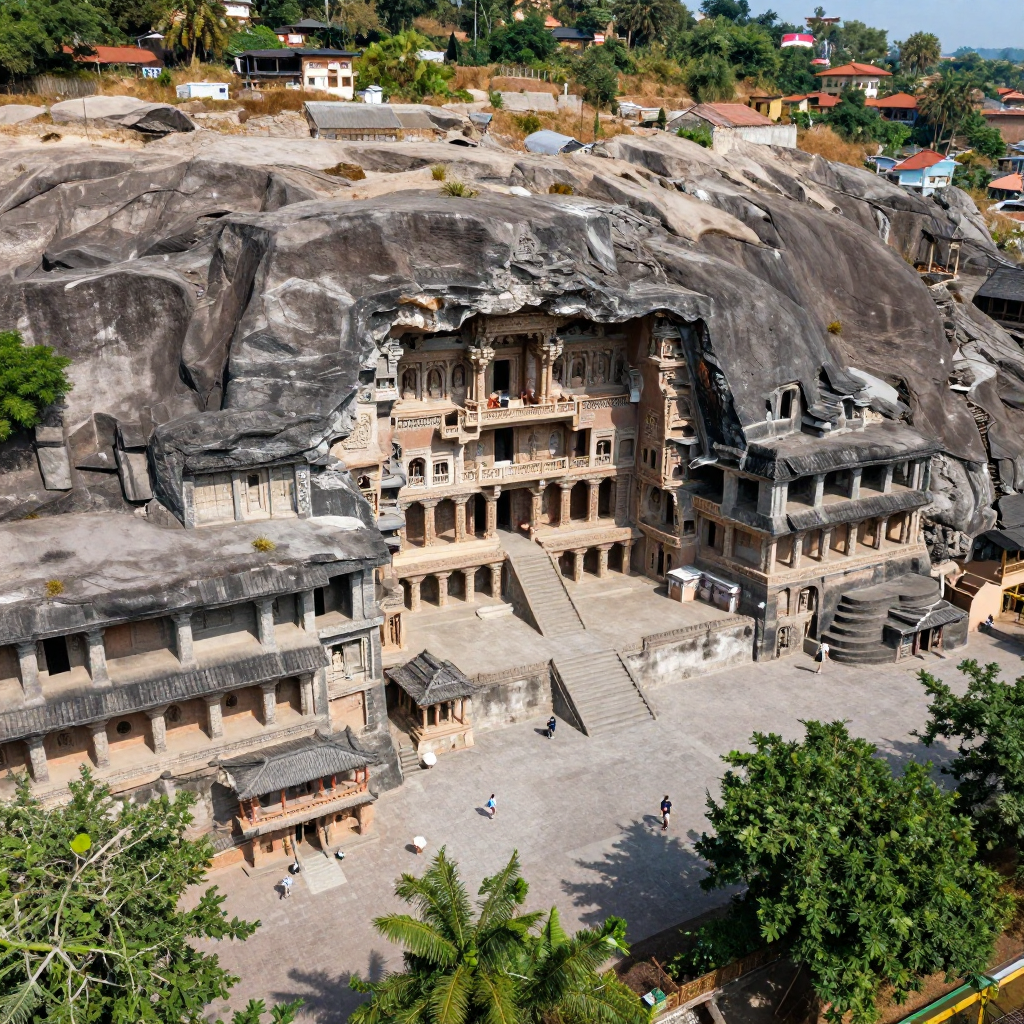
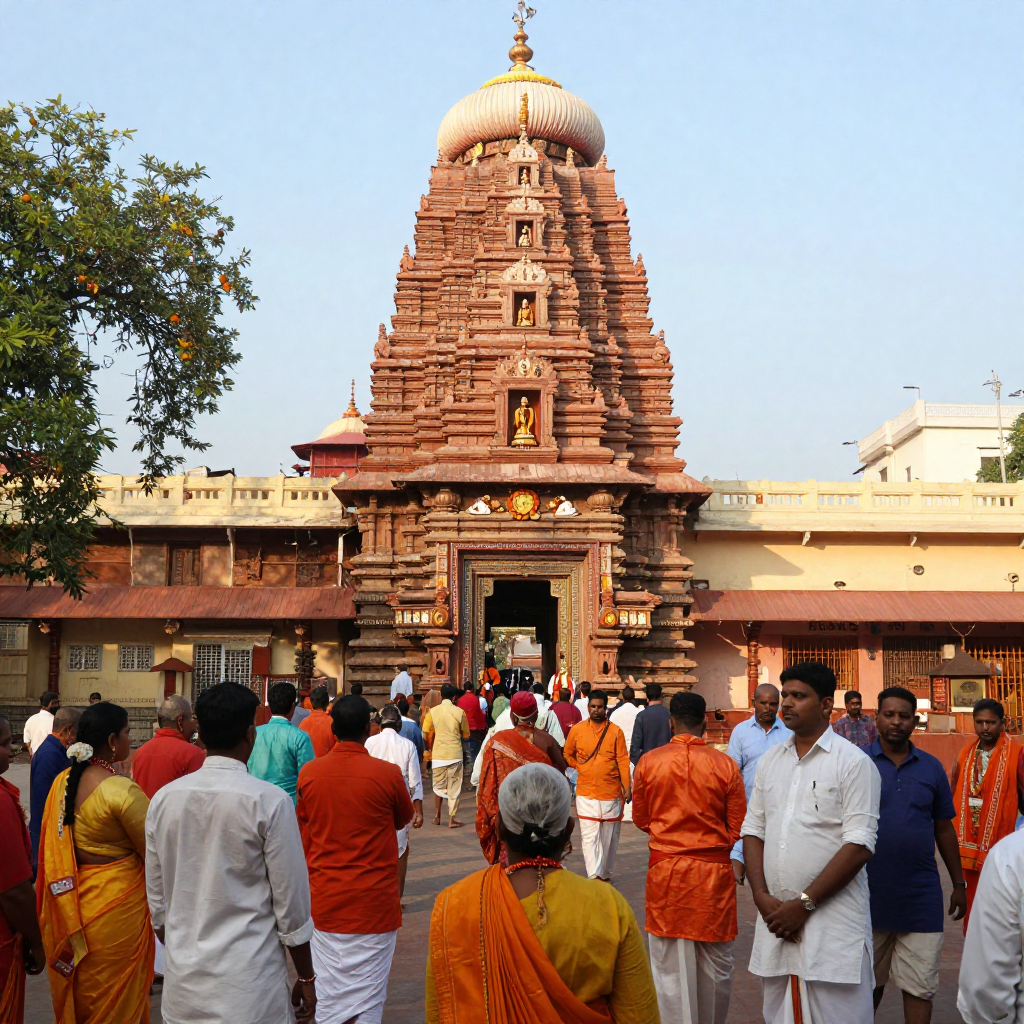
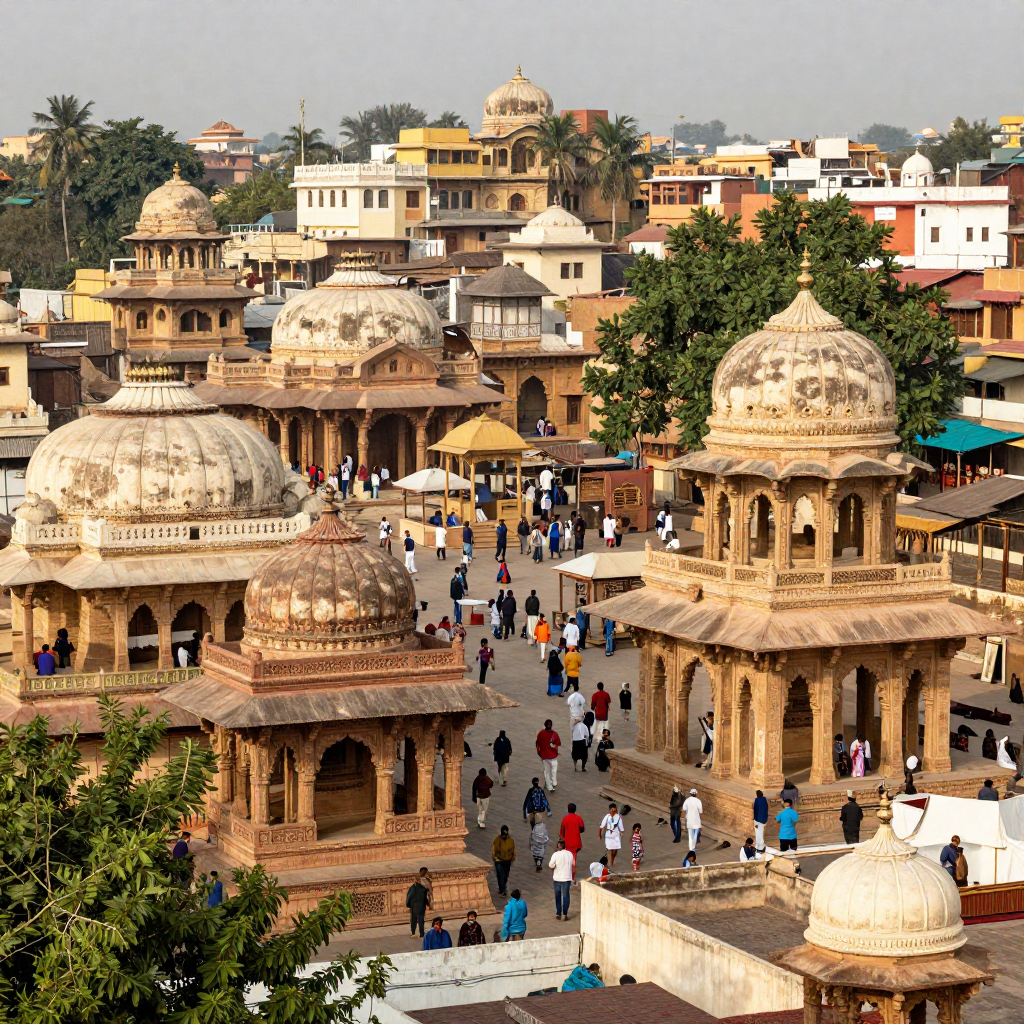
Ancient Indian civilizations have played a significant role in shaping the country's rich cultural heritage. From the Indus Valley Civilization to the Mauryan Empire, each civilization has left an indelible mark on Indian history. In this article, we will delve into the world of ancient Indian civilizations, exploring their history, culture, and contributions.
The Indus Valley Civilization, also known as the Harappan Civilization, is one of the oldest urban civilizations in the world. It flourished around 4300 years ago, with its cities showing advanced urban planning, architecture, and water management systems. The civilization was known for its sophisticated writing system, which has not yet been deciphered. The Indus Valley Civilization's legacy can be seen in the modern-day Indian cities of Mohenjo-Daro and Harappa.
The Mauryan Empire, which emerged in the 3rd century BCE, is another significant ancient Indian civilization. It was founded by Chandragupta Maurya and was known for its extensive trade networks, efficient administrative systems, and Buddhist art and architecture. The Mauryan Empire's legacy can be seen in the modern-day Indian states of Bihar and Uttar Pradesh.
Other notable ancient Indian civilizations include the Vedic Civilization, which laid the foundation for Hinduism and Indian philosophy. The Vedic Civilization's legacy can be seen in the modern-day Indian states of Punjab and Haryana. The Gupta Empire, which emerged in the 4th century CE, is known for its significant contributions to Indian art, architecture, and science. The Gupta Empire's legacy can be seen in the modern-day Indian states of Bihar and Uttar Pradesh.
In conclusion, ancient Indian civilizations have played a vital role in shaping the country's rich cultural heritage. From the Indus Valley Civilization to the Mauryan Empire, each civilization has left an indelible mark on Indian history. By understanding our heritage, we can appreciate the progress and achievements of our ancestors and work towards building a better future.
Ancient Indian civilizations have also contributed significantly to the world's cultural heritage. Their art, architecture, literature, and science have influenced civilizations around the world. The study of ancient Indian civilizations can provide valuable insights into the human experience, helping us to understand our place in the world and our responsibilities towards the future.
Therefore, it is essential to preserve and promote our ancient Indian heritage. We can do this by learning about our history, visiting ancient sites, and supporting conservation efforts. By working together, we can ensure that the rich cultural heritage of ancient Indian civilizations continues to inspire and educate future generations.
In conclusion, ancient Indian civilizations have played a vital role in shaping the country's rich cultural heritage. From the Indus Valley Civilization to the Mauryan Empire, each civilization has left an indelible mark on Indian history. By understanding our heritage, we can appreciate the progress and achievements of our ancestors and work towards building a better future.
Ancient Indian civilizations have also contributed significantly to the world's cultural heritage. Their art, architecture, literature, and science have influenced civilizations around the world. The study of ancient Indian civilizations can provide valuable insights into the human experience, helping us to understand our place in the world and our responsibilities towards the future.
What's Your Reaction?