Composting for a Healthier Soil and Environment: A Comprehensive Guide
Learn the benefits and process of composting for a healthier soil and environment, reducing waste and promoting sustainability.
Composting for a Healthier Soil and Environment
Composting is a natural process that breaks down organic materials into a nutrient-rich soil amendment, promoting healthy soil and ecosystems. This article will delve into the benefits, process, and importance of composting for a healthier soil and environment, reducing waste and promoting sustainability.
Benefits of Composting
Composting offers numerous benefits for the environment, including reducing greenhouse gas emissions, conserving water, and improving soil structure. By composting organic waste, we can reduce the amount of waste sent to landfills, decrease the production of methane, and create a valuable resource for gardening and agriculture.
Composting also improves soil health by increasing its water-holding capacity, aeration, and nutrient content. This, in turn, promotes healthy plant growth, reduces soil erosion, and supports biodiversity.
The Composting Process
The composting process involves breaking down organic materials into a stable, humus-like material. This process can be achieved through various methods, including aerobic, anaerobic, and Vermicomposting.
Aerobic composting involves the use of oxygen to speed up the decomposition process, typically through the addition of microorganisms and regular turning of the compost pile. Anaerobic composting, on the other hand, occurs in the absence of oxygen, which can lead to the production of methane and unpleasant odors.
Vermicomposting uses worms to break down organic materials, creating a nutrient-rich compost that is ideal for indoor gardens and small-scale agriculture.
Importance of Composting
Composting is essential for maintaining a healthy soil and environment. By composting organic waste, we can reduce waste sent to landfills, conserve resources, and promote sustainable agriculture.
Furthermore, composting can help mitigate the effects of climate change by reducing greenhouse gas emissions and promoting carbon sequestration. By incorporating compost into our gardening and agricultural practices, we can create a more sustainable and resilient food system.
Getting Started with Composting
Getting started with composting is easier than you think. Here are some simple steps to begin your composting journey:
1. Choose a composting method: Select a composting method that suits your needs, whether it's aerobic, anaerobic, or Vermicomposting.
2. Collect organic materials: Gather organic materials such as food scraps, leaves, and grass clippings.
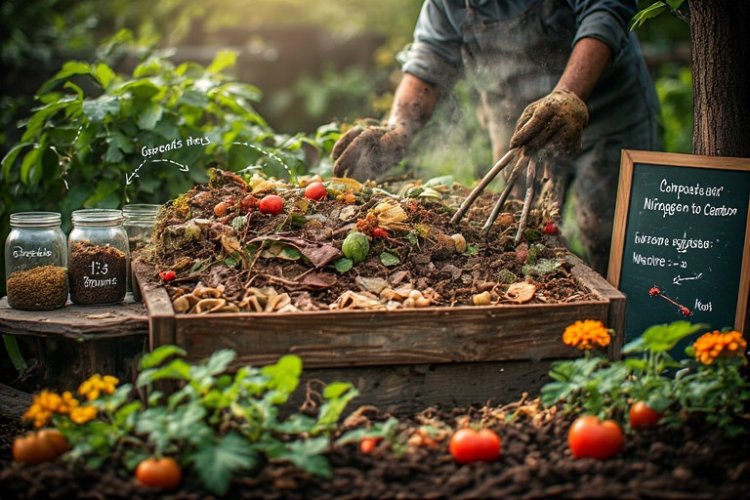
3. Create a compost pile: Build a compost pile using your collected materials, ensuring a balance of "green" and "brown" materials.
4. Maintain the compost pile: Regularly turn the compost pile, adding microorganisms and water as needed.
5. Harvest your compost: After several weeks or months, depending on the method, your compost is ready to use in your garden or indoor plants.
By following these simple steps, you can begin your composting journey and experience the benefits of composting for a healthier soil and environment.
Composting is a simple yet effective way to reduce waste, promote sustainability, and create a healthier soil and environment. By incorporating composting into our daily lives, we can make a positive impact on the planet and create a more resilient food system.
So, start composting today and join the movement towards a healthier soil and environment!
What's Your Reaction?