Climate Warning: Asia's First Dead Glacier and Its Implications
Asia's first dead glacier marks a devastating climate warning, with far-reaching implications for global ecosystems and human societies.
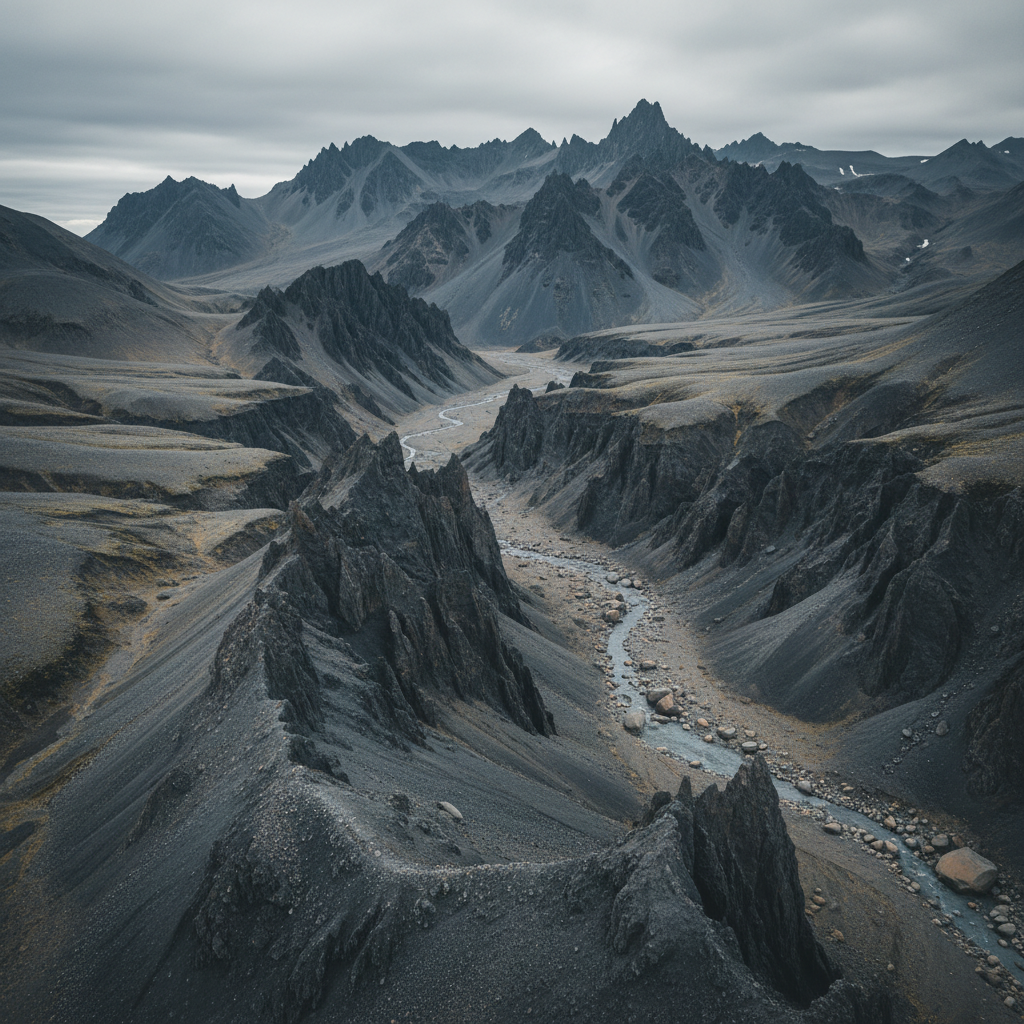
Climate Warning: Asia's First Dead Glacier and Its Implications
Scientists have confirmed the existence of Asia's first dead glacier, a stark reminder of the devastating impact of climate change on our planet. The glacier, located in the Tibetan Plateau, has been declared dead due to its complete melting, marking a new and alarming milestone in the global fight against climate change.
The discovery of the dead glacier has sent shockwaves throughout the scientific community, with experts warning of the far-reaching implications for global ecosystems and human societies. Rising temperatures and melting ice sheets are not only altering the planet's climate, but also posing significant threats to the world's biodiversity, food security, and economic stability.
The Tibetan Plateau, often referred to as the 'Third Pole,' is home to some of the world's most unique and fragile ecosystems. The region's glaciers, which store up to 40% of the world's freshwater, play a crucial role in regulating the global water cycle and supporting the livelihoods of millions of people. However, the accelerated melting of these glaciers is putting immense pressure on the region's ecosystems, leading to increased risk of glacial lake outburst floods, landslides, and other natural disasters.
As the world grapples with the consequences of climate change, it is essential that we take immediate and sustained action to reduce our carbon footprint and transition to renewable energy sources. This requires a collective effort from governments, businesses, and individuals to adopt climate-resilient practices, invest in clean technologies, and promote sustainable development.
The discovery of Asia's first dead glacier serves as a stark reminder of the urgent need for climate action. By working together, we can mitigate the worst impacts of climate change and create a more sustainable future for generations to come.
What's Your Reaction?