The Impact of Climate Change on Glaciers and the Environment: Understanding the Devastating Consequences
Discover the alarming effects of climate change on glaciers and the environment, and learn about the devastating consequences of global warming
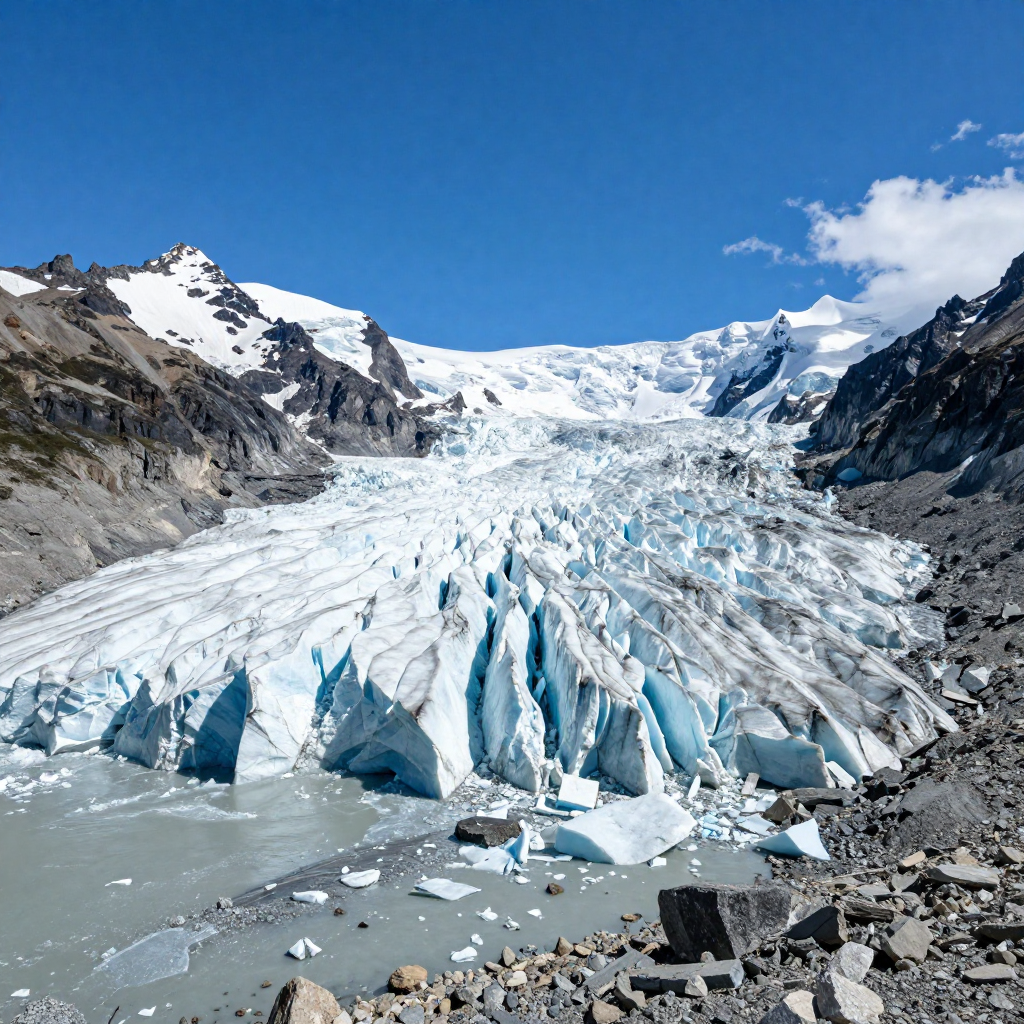
The Impact of Climate Change on Glaciers and the Environment
Climate change is one of the most pressing issues of our time, and its impact on glaciers and the environment is nothing short of alarming. The melting of glaciers is a clear indication of the devastating consequences of global warming, and it's essential to understand the root causes and effects of this phenomenon.
Glaciers play a crucial role in regulating the Earth's climate, and their melting has severe consequences for the environment. The impact of climate change on glaciers is multifaceted, and it includes increased melting, glacier calving, and changes in glacier flow. These changes not only affect the glaciers themselves but also have a ripple effect on the surrounding environment, including sea levels, ocean currents, and ecosystems.
The melting of glaciers is primarily caused by global warming, which is driven by the increasing levels of greenhouse gases in the atmosphere. The primary culprits behind this are carbon dioxide and methane, which are released through human activities such as burning fossil fuels, deforestation, and land-use changes. The consequences of glacier melting are far-reaching and include:
- Sea-level rise: As glaciers melt, they contribute to sea-level rise, which has severe consequences for coastal communities and ecosystems.
- Changes in ocean currents: The melting of glaciers affects ocean currents, which in turn impacts marine ecosystems and global weather patterns.
- Loss of biodiversity: The melting of glaciers and associated changes in ecosystems lead to a loss of biodiversity, which has severe consequences for the health of ecosystems.
- Increased risk of natural disasters: The melting of glaciers increases the risk of natural disasters such as floods, landslides, and droughts.
It's essential to address the root causes of climate change and take immediate action to reduce greenhouse gas emissions. This includes transitioning to renewable energy sources, increasing energy efficiency, and protecting and restoring natural ecosystems. By working together, we can mitigate the impact of climate change on glaciers and the environment and ensure a sustainable future for generations to come.
What's Your Reaction?