The Benefits of Quinoa and Other Whole Grains in Modern Nutrition
Discover the numerous health benefits of quinoa and other whole grains in modern nutrition, including improved digestion, weight management, and reduced risk of chronic diseases.
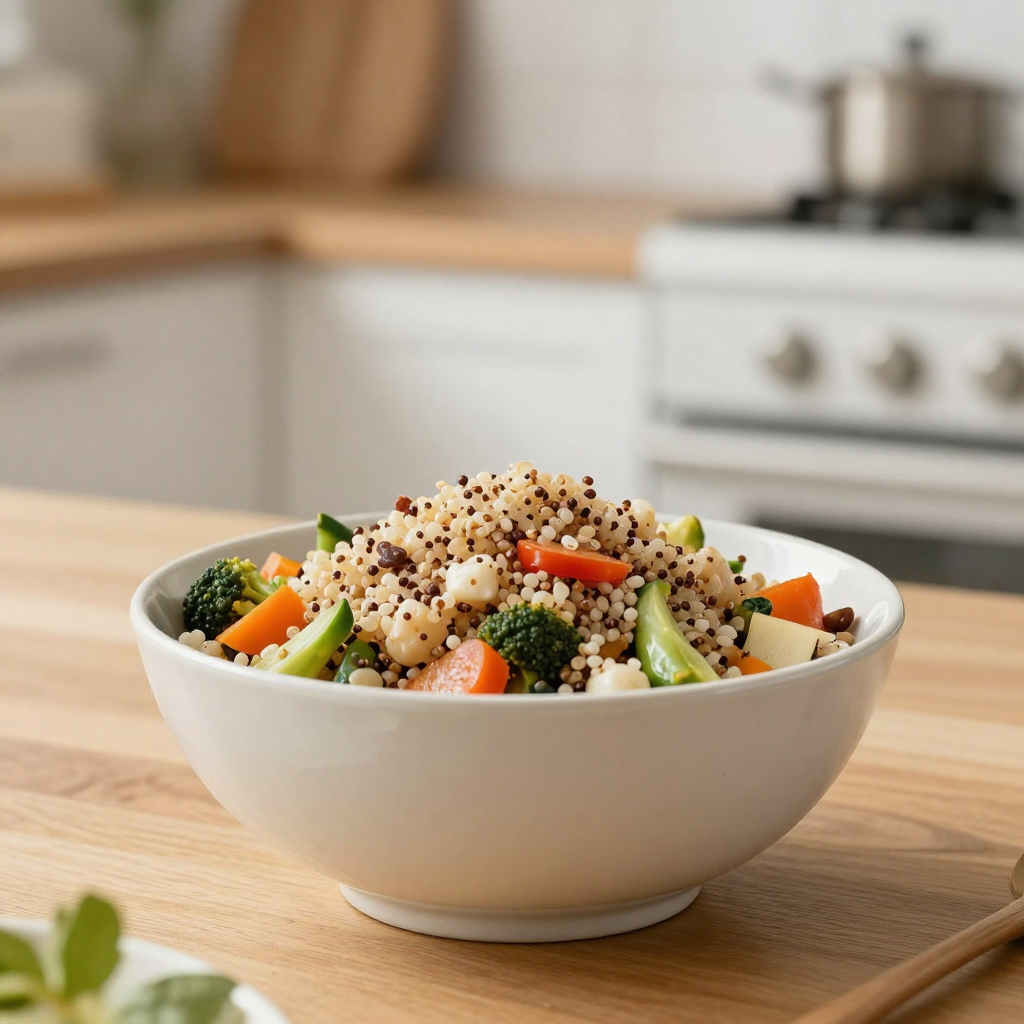
The Benefits of Quinoa and Other Whole Grains in Modern Nutrition
In recent years, whole grains have gained significant attention for their numerous health benefits and potential to improve overall well-being. Among the various whole grains available, quinoa stands out as a nutritional powerhouse, offering an impressive array of benefits that make it an excellent addition to a balanced diet.
Quinoa is a pseudo-cereal, meaning it's not a true cereal, but rather a flowering plant that produces edible seeds. It's an excellent source of protein, fiber, and various essential minerals, including iron, magnesium, and potassium. The protein content in quinoa is particularly noteworthy, making it an ideal option for vegetarians and vegans who struggle to obtain enough protein from plant-based sources.
One of the key benefits of quinoa is its ability to improve digestion. The high fiber content in quinoa helps regulate bowel movements, preventing constipation and promoting regularity. Additionally, quinoa contains prebiotic fiber, which feeds the good bacteria in the gut, supporting a healthy gut microbiome.
Whole grains like quinoa have also been shown to aid in weight management. The fiber and protein content in quinoa helps keep you feeling full and satisfied, reducing the likelihood of overeating and promoting a healthy weight. Furthermore, quinoa has a lower glycemic index than many other grains, meaning it won't cause a spike in blood sugar levels, making it an excellent option for those with diabetes or insulin resistance.
Other whole grains, such as brown rice, whole wheat, and oats, offer similar benefits to quinoa. Brown rice is an excellent source of manganese, a mineral essential for bone health, while whole wheat provides a rich source of B vitamins, including folate, thiamin, and niacin. Oats are high in fiber, which can help lower cholesterol levels and regulate blood sugar.
Incorporating whole grains into your diet is easier than you think. Start by replacing refined grains with whole grains in your meals. Try switching to whole wheat bread, brown rice, and quinoa for your side dishes. You can also use whole grains as a base for salads, stir-fries, and other dishes. Experiment with different recipes and find ways to incorporate whole grains into your favorite meals.
By incorporating whole grains like quinoa into your diet, you'll not only improve your overall health but also reduce your risk of chronic diseases, such as heart disease, type 2 diabetes, and certain types of cancer. So, start exploring the world of whole grains and discover the numerous health benefits they have to offer.
What's Your Reaction?