The Benefits of Composting for Soil Health: Enhancing Ecosystems and Environmental Sustainability
Discover the advantages of composting for soil health, including improved ecosystem balance, increased water retention, and reduced greenhouse gas emissions.
The Benefits of Composting for Soil Health
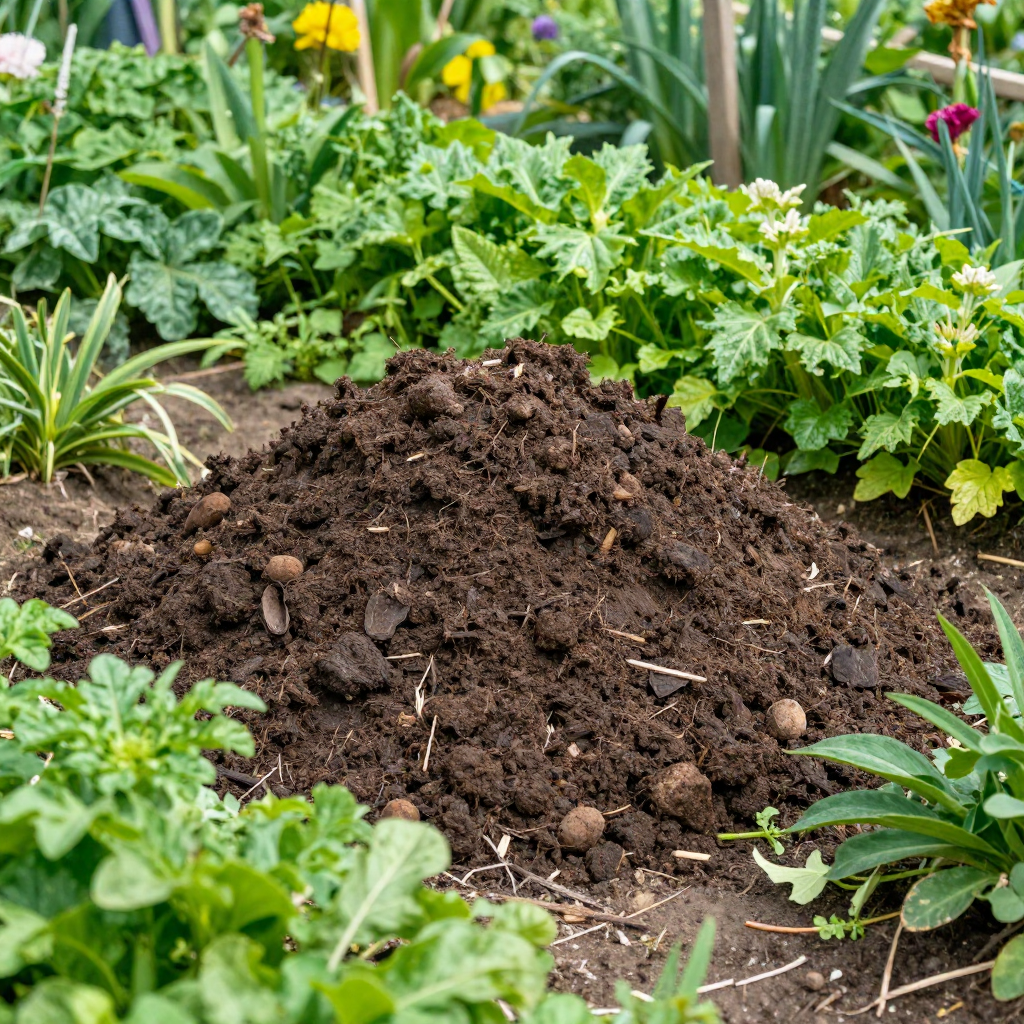
Composting is a simple yet effective way to improve soil health, reduce waste, and promote environmental sustainability. By turning organic waste into a nutrient-rich resource, gardeners and farmers can create a thriving ecosystem that supports plant growth, conserves water, and mitigates climate change.
One of the primary benefits of composting is its ability to improve soil structure and fertility. Compost contains essential nutrients, such as nitrogen, phosphorus, and potassium, that promote healthy plant growth and development. By adding compost to soil, gardeners can increase its water-holding capacity, reduce erosion, and support beneficial microorganisms that break down organic matter.
Composting also plays a critical role in reducing greenhouse gas emissions. By diverting organic waste from landfills, composting helps to minimize methane production, a potent greenhouse gas that contributes to climate change. Additionally, composting can help to sequester carbon in soil, reducing atmospheric carbon dioxide levels and promoting a more stable climate.
Furthermore, composting can help to promote ecosystem balance by reducing the need for synthetic fertilizers and pesticides. By using compost as a natural fertilizer, gardeners can create a balanced ecosystem that supports biodiversity and reduces the risk of pest and disease outbreaks.
To get started with composting, begin by collecting organic waste, such as food scraps, leaves, and grass clippings. Mix the waste with a carbon-rich material, such as straw or shredded newspaper, and add water to create a moist, crumbly texture. As the compost breaks down, turn it regularly to aerate the mixture and promote decomposition.
With regular maintenance and attention, composting can become a valuable tool for improving soil health and promoting environmental sustainability. By harnessing the power of composting, gardeners and farmers can create a more resilient and productive ecosystem that supports plant growth, conserves water, and mitigates climate change.
By incorporating composting into your gardening routine, you can reap a wide range of benefits, from improved soil fertility to reduced greenhouse gas emissions. So why not give composting a try? Start small, experiment with different techniques, and discover the many rewards of composting for soil health.
What's Your Reaction?