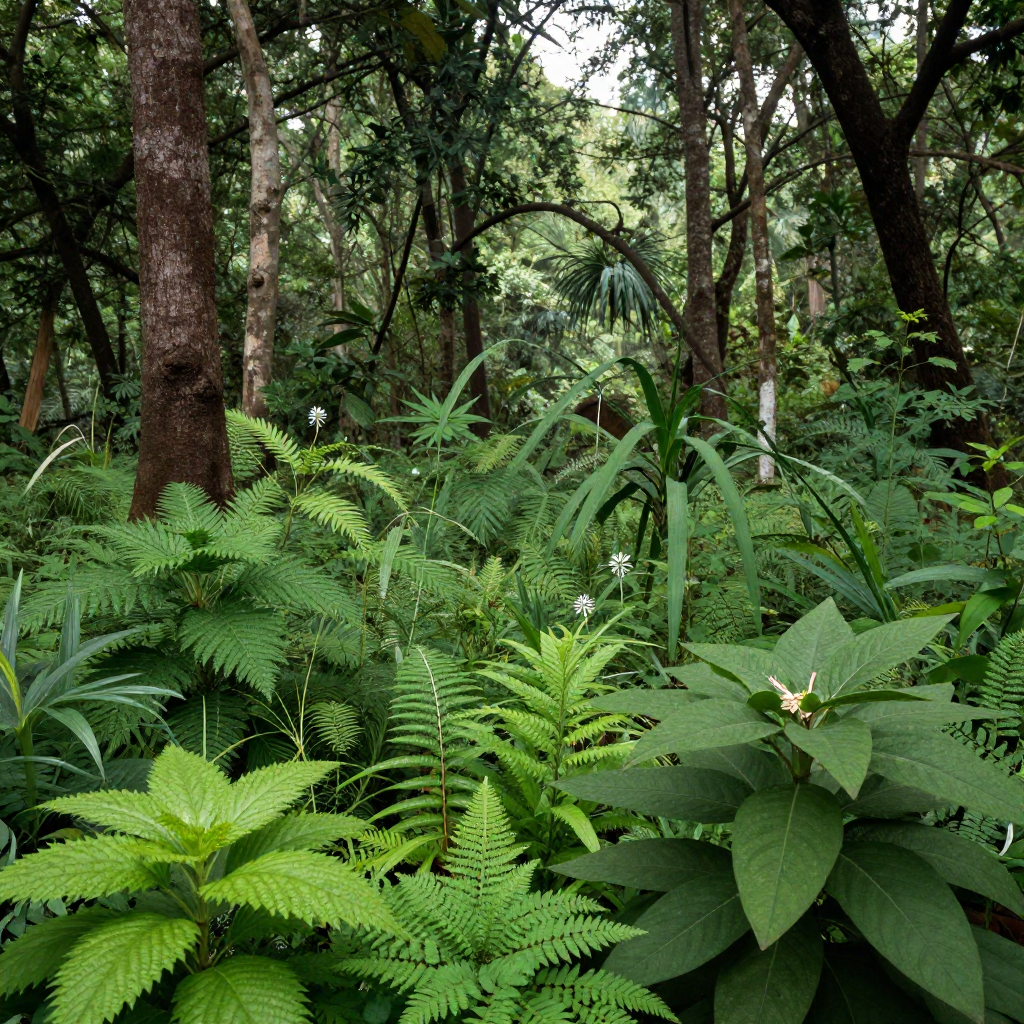
Sustainable Gardening Practices: Tips for a Greener Future
Learn sustainable gardening practices for a greener future and reduce your environmental impact
Sustainable Gardening Practices: Tips for a Greener Future
Gardening is a vital part of sustainable living and can significantly reduce our environmental impact. By adopting sustainable gardening practices, you can create a thriving garden that not only provides fresh produce but also contributes to a greener future. In this article, we will explore some effective tips for sustainable gardening.
One of the most significant steps towards sustainable gardening is reducing waste. Composting is an excellent way to turn kitchen scraps and yard waste into nutrient-rich fertilizer for your garden. You can create a compost bin using wooden pallets or purchase a commercial composter. Simply add your waste to the bin and let it decompose over time.
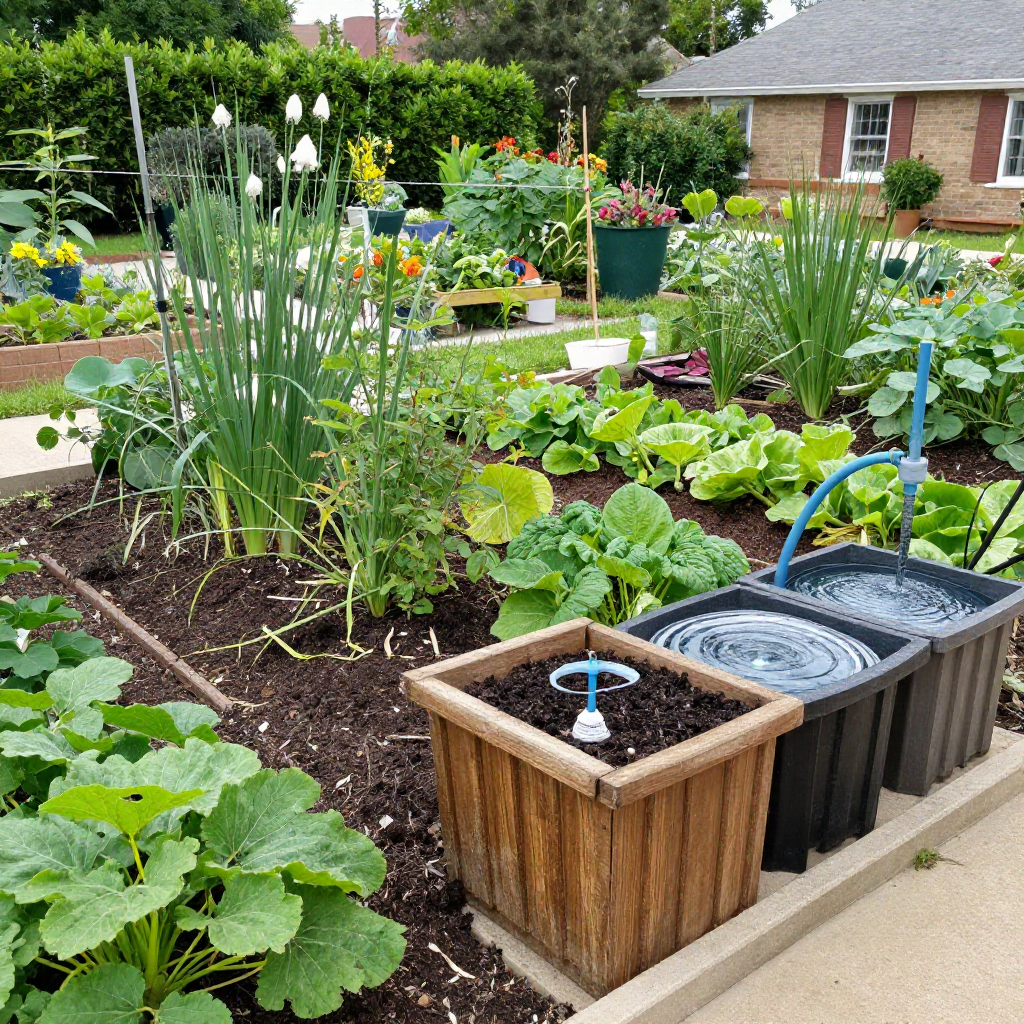
Another essential aspect of sustainable gardening is water conservation. Rainwater harvesting is an effective way to collect and store rainwater for irrigation. You can install a rainwater harvesting system or simply place a container under your downspout to collect rainwater.
Permaculture is a design system that aims to create a sustainable and self-sufficient ecosystem. It involves designing your garden to work in harmony with nature, using natural processes to maintain soil health and prevent pests and diseases. By adopting permaculture principles, you can create a resilient and thriving garden that requires minimal maintenance.
Soil health is critical for sustainable gardening. Organic amendments like compost, manure, and green manure can improve soil fertility and structure. Avoid using chemical fertilizers, as they can harm the environment and contaminate soil and water. Instead, opt for natural and organic methods to maintain soil health.
Finally, choose plants that are suitable for your climate and soil type. Select plants that are native to your region, as they are more likely to thrive and require minimal maintenance. Avoid using invasive species, as they can harm local ecosystems.
In conclusion, sustainable gardening practices are essential for creating a greener future. By adopting these tips, you can reduce your environmental impact, conserve water, and create a thriving garden that provides fresh produce and contributes to a healthier environment. Whether you are a seasoned gardener or just starting out, these tips will help you create a sustainable and resilient garden that will thrive for years to come.
What's Your Reaction?