Teaching Children Responsibility Without Pressure
Discover gentle strategies to help children develop responsibility naturally, fostering confidence and independence without overwhelming them with pressure.
Teaching Children Responsibility Without Pressure
Instilling responsibility in children is a cornerstone of healthy development, yet many parents worry about adding stress to their little ones. The goal is to create a nurturing environment where responsibility grows organically, empowering children to take ownership of their actions without feeling overwhelmed. This guide offers practical, pressure‑free techniques that promote independence while preserving a supportive relationship.
Understand the Child’s Perspective
Children perceive responsibility differently depending on age, temperament, and experiences. Younger kids may see chores as play, while adolescents might view them as burdens. By recognizing these viewpoints, parents can tailor tasks that feel meaningful rather than punitive. Start with small, achievable goals that align with the child’s interests, and gradually increase complexity as confidence builds.
Set Clear, Simple Expectations
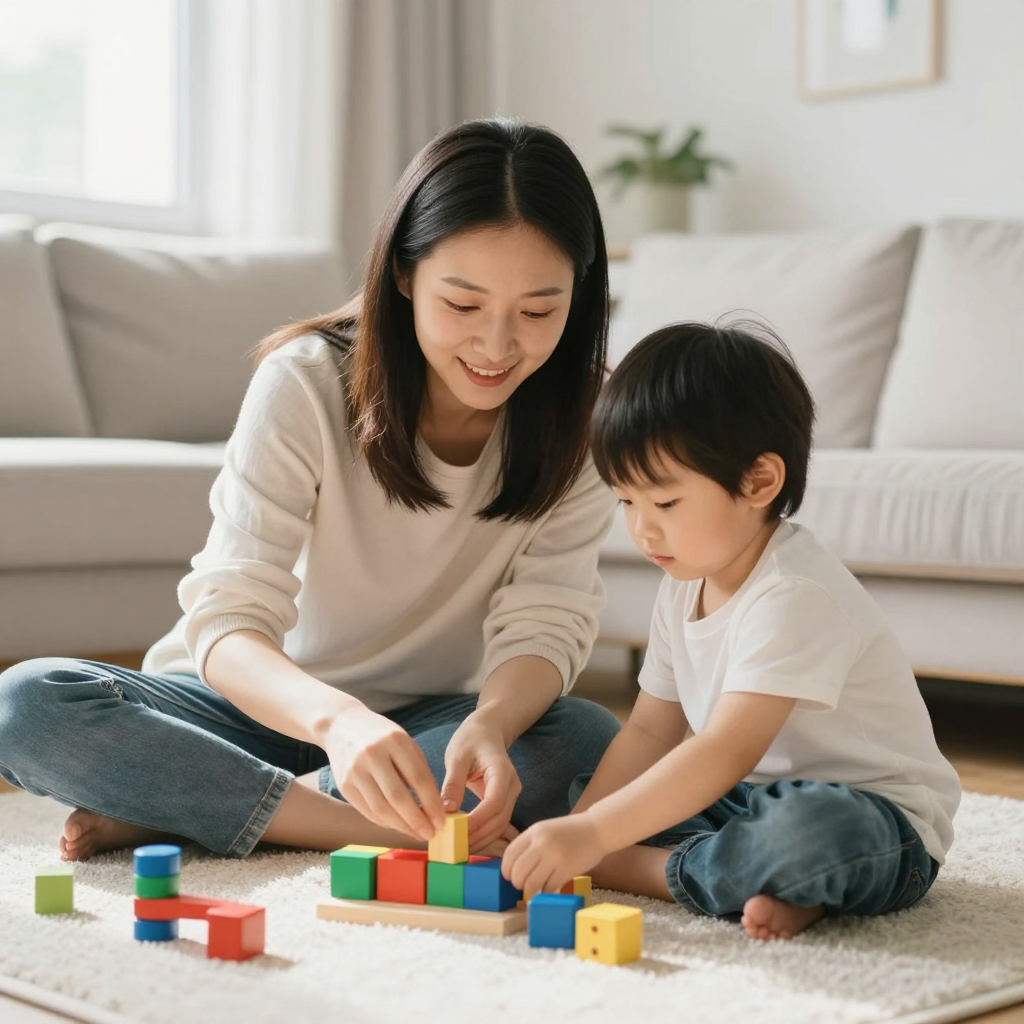
Clarity eliminates confusion. Instead of vague directives like “clean up,” give specific instructions: “Put the blue blocks in the bin.” When expectations are straightforward, children know what success looks like, reducing anxiety. Visual cues—such as a checklist or color‑coded labels—can reinforce these expectations in a fun, engaging way.
Use Positive Reinforcement, Not Pressure
Celebrating effort encourages repetition. Praise the process, not just the outcome: “I love how you sorted the blocks by color.” This reinforces the behavior without making the child feel judged. Rewards should be intrinsic—like a sense of pride—or simple, non‑material tokens, such as extra storytime, to keep motivation authentic.
Involve Children in Decision Making
When kids help decide their responsibilities, they feel ownership. Ask, “Which chore would you like to tackle first?” or “What’s a good way to keep the kitchen tidy?” Decision making fosters agency, turning tasks into collaborative projects rather than imposed duties.
Make Tasks Age‑Appropriate
Responsibility should match developmental stages. Toddlers can learn by putting toys away; school‑age children can manage their backpack; teens can handle household budgeting. By matching tasks to abilities, you avoid setting them up for failure, which can lead to resentment.
Model Responsible Behavior
Children emulate adults. Demonstrate how you take responsibility in everyday life—paying bills on time, apologizing when wrong, or cleaning up after yourself. When children see you practice what you preach, they internalize those habits naturally.
Teach Problem‑Solving Skills
Responsibility involves making choices and handling consequences. Guide children through problem‑solving steps: identify the problem, brainstorm solutions, choose an action, and evaluate results. This framework teaches them to take charge of situations calmly and confidently.
Encourage Reflection
After a task, discuss what went well and what could improve. Ask questions like, “What helped you finish this quickly?” or “How could we make this easier next time?” Reflection turns routine chores into learning moments, reinforcing responsibility without pressure.
Maintain a Balanced Routine
Structure provides security, but flexibility prevents overload. Create a weekly schedule with designated times for chores, play, and rest. Allow room for spontaneous activities so children don’t feel boxed into a rigid routine. Balance ensures responsibility feels like part of life, not a chore.
Celebrate Milestones
Recognize progress publicly. A simple chart that tracks completed tasks can boost motivation. Celebrate milestones with a family dinner or a small outing, reinforcing that responsibility is a valued skill.
Conclusion: Empowerment Over Pressure
Teaching responsibility without pressure is about creating an environment where children feel safe to try, fail, and succeed. By setting clear expectations, involving them in decisions, modeling behavior, and celebrating growth, parents can nurture responsible, confident young adults who thrive both at home and beyond. The journey is gradual, compassionate, and ultimately rewarding for the entire family.
What's Your Reaction?