Sustainable Gardening for the Environment: Tips and Practices to Reduce Your Carbon Footprint
Discover eco-friendly gardening techniques and sustainable gardening practices to reduce your environmental impact and create a greener tomorrow
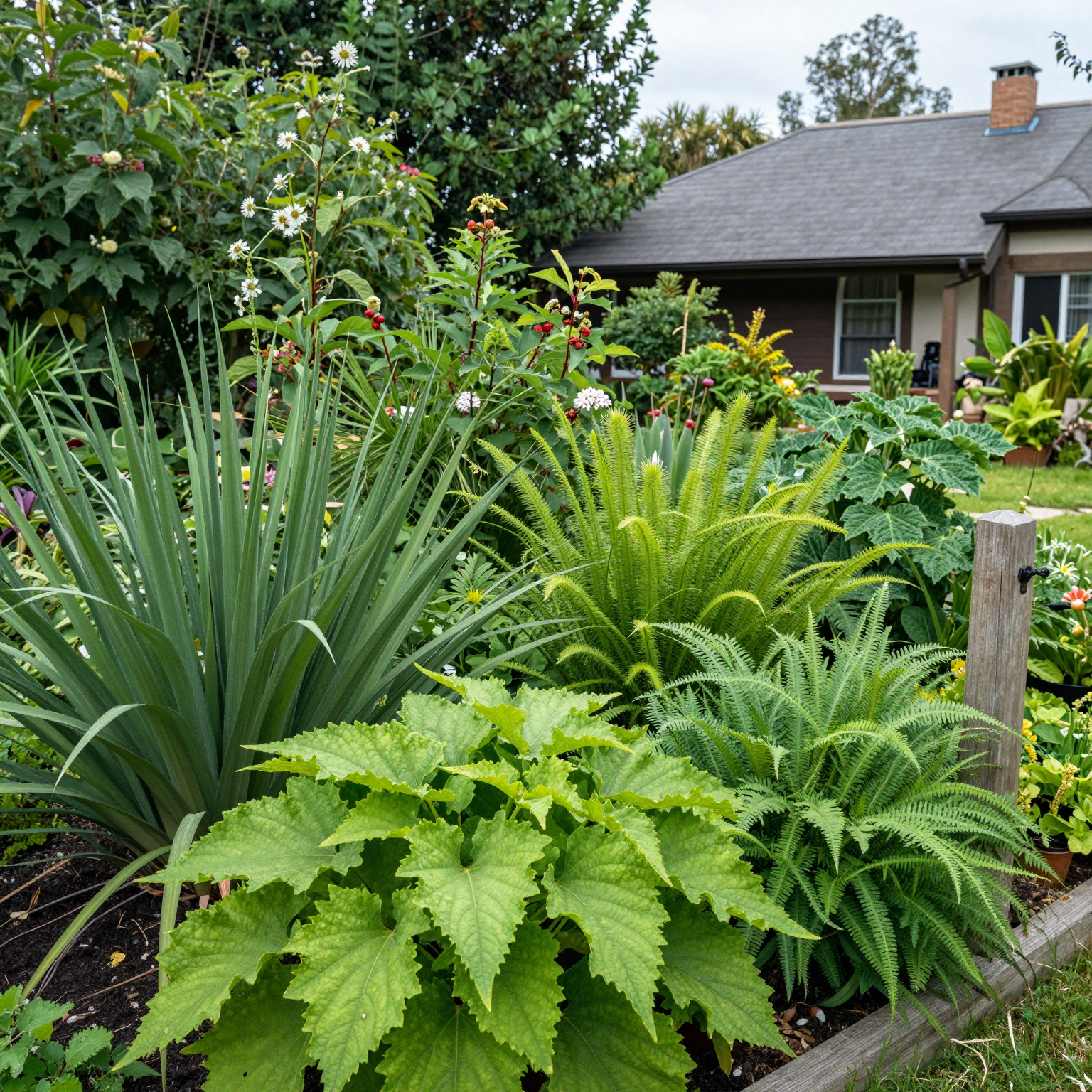
Sustainable Gardening for the Environment: Tips and Practices to Reduce Your Carbon Footprint
Gardening is an essential part of our lives, providing us with fresh produce, clean air, and a sense of connection to nature. However, traditional gardening practices can have a significant environmental impact, from water waste to chemical use. In this article, we will explore sustainable gardening tips and practices that can help reduce your carbon footprint and create a greener future.
One of the most effective ways to reduce your environmental impact is to use rainwater harvesting systems. These systems collect and store rainwater for irrigation, reducing the demand on municipal water supplies and minimizing stormwater runoff. You can install a rainwater harvesting system, which can be as simple as a barrel or as complex as a large tank.
Another key aspect of sustainable gardening is composting. Composting turns food waste and yard trimmings into a nutrient-rich soil amendment, reducing the need for synthetic fertilizers. You can start a compost pile or use a compost bin to make the process easier. Add a mix of "green" materials like food scraps and grass clippings, and "brown" materials like leaves and twigs to create a balanced compost.
Organic gardening is another essential practice for sustainable gardening. Instead of using chemical pesticides and herbicides, opt for natural methods like neem oil, diatomaceous earth, and physical barriers to control pests. You can also use beneficial insects like ladybugs and lacewings to control pest populations.
Sustainable gardening also involves selecting the right plants for your climate and soil type. Choose native plants, which require less water and maintenance, and are more resistant to pests and diseases. You can also use drought-tolerant plants and succulents to reduce water consumption.
Finally, sustainable gardening involves reducing waste and using recycled materials. Use recycled plastic containers and wooden planters to reduce waste and create a unique gardening space. You can also use old pallets and crates to create a trellis or a garden fence.
By incorporating these sustainable gardening tips and practices into your gardening routine, you can reduce your environmental impact, create a greener future, and enjoy a healthier and more productive garden. Whether you're a beginner or an experienced gardener, there are many ways to make your garden more sustainable and eco-friendly.
Sustainable gardening is not only good for the environment, but it's also beneficial for your health and well-being. Studies have shown that spending time in nature can reduce stress levels, improve mood, and boost immunity. By creating a sustainable garden, you can enjoy the many benefits of gardening while reducing your environmental impact.
Conclusion: Sustainable gardening is a vital practice for creating a greener future and reducing our carbon footprint. By using rainwater harvesting systems, composting, organic gardening methods, selecting the right plants, and reducing waste, you can create a sustainable garden that benefits both you and the environment. Start making changes today and enjoy the many rewards of sustainable gardening!
Whether you're looking to start a small herb garden or create a large vegetable garden, there are many sustainable gardening practices you can adopt to make your garden more eco-friendly. By incorporating these tips and practices into your gardening routine, you can enjoy a healthier and more productive garden while reducing your environmental impact.
What's Your Reaction?