Ancient Indian Civilizations: A Study of Forgotten Eras
Explore the history of ancient Indian civilizations, including the Indus Valley Civilization, the Vedic Period, and the Gupta Empire.
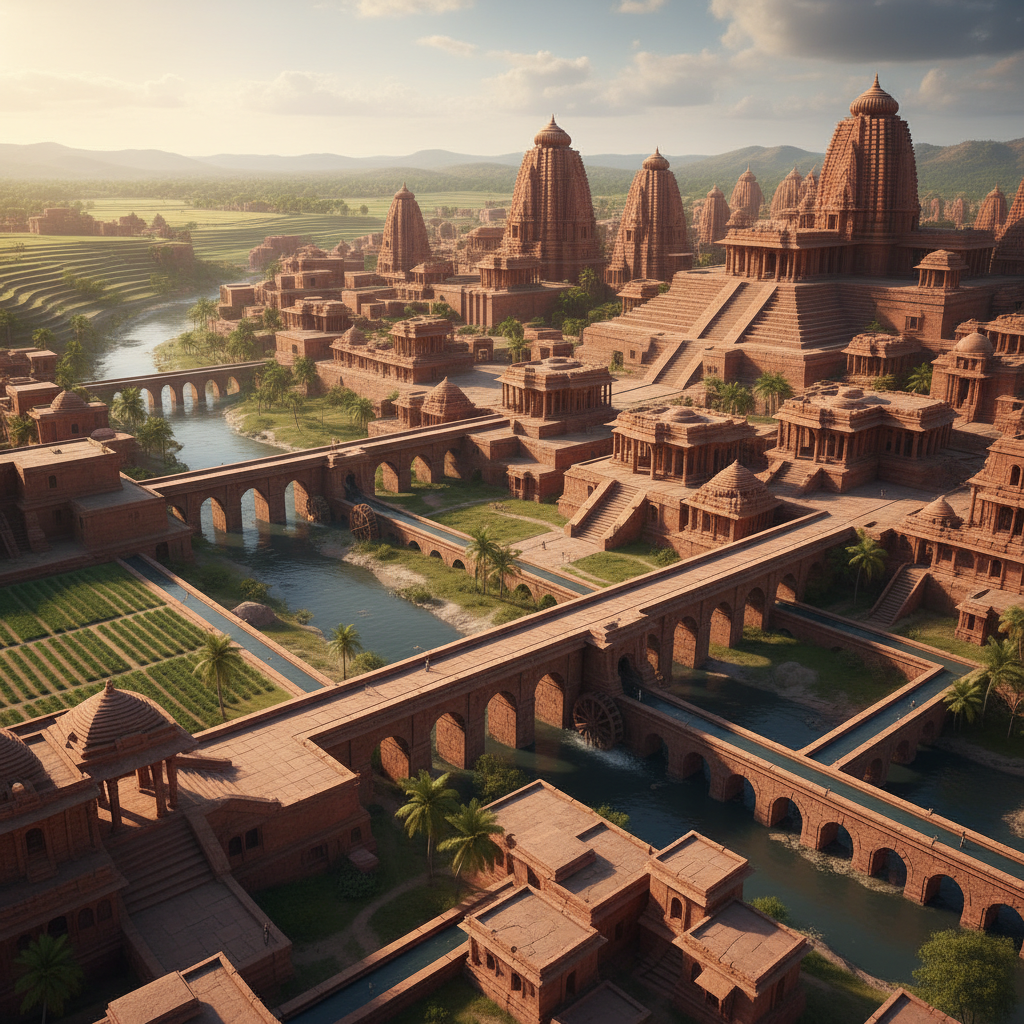
Ancient Indian Civilizations: A Study of Forgotten Eras
The history of ancient Indian civilization is a rich and complex tapestry, weaving together the stories of numerous dynasties, empires, and cultures that have shaped the Indian subcontinent over millennia. From the Indus Valley Civilization, which flourished around 4000 years ago, to the Gupta Empire, which reached its zenith in the 5th and 6th centuries CE, ancient Indian civilizations have left an indelible mark on human history.
The Indus Valley Civilization, which thrived in present-day Pakistan and northwestern India, is one of the most fascinating and enigmatic civilizations of the ancient world. Its sophisticated urban planning, advanced irrigation systems, and unique writing system have captivated the imagination of scholars and historians for centuries. The discovery of the ancient city of Mohenjo-Daro, with its impressive architecture and well-planned streets, has provided valuable insights into the daily life and culture of the Indus Valley people.
The Vedic Period, which spanned from around 1500 to 500 BCE, was a transformative era in ancient Indian history. The Vedas, a collection of sacred texts that form the foundation of Hinduism, were composed during this period, and the Vedic people made significant contributions to the fields of philosophy, poetry, and mathematics. The Vedic Period saw the rise of the Indo-Aryan people, who brought with them their own distinct culture, language, and traditions, which eventually merged with the existing Dravidian culture of the Indian subcontinent.
The Gupta Empire, which emerged in the 4th century CE, was a golden age of Indian history. During this period, India experienced a cultural and scientific renaissance, with significant advances in fields such as mathematics, astronomy, and medicine. The Gupta rulers were patrons of learning and the arts, and their court was renowned for its scholars, poets, and artists. The Gupta Empire also saw the rise of Buddhism and Jainism, two major religions that have had a profound impact on Indian culture and society.
In conclusion, ancient Indian civilizations have left a lasting legacy that continues to inspire and fascinate us today. From the Indus Valley Civilization to the Gupta Empire, each era has contributed to the rich tapestry of Indian history, and their stories serve as a reminder of the incredible achievements and accomplishments of our ancestors.
The study of ancient Indian civilizations is a testament to the power of human ingenuity, creativity, and perseverance. As we continue to uncover the secrets of the past, we are reminded of the importance of learning from our history and embracing our cultural heritage. By exploring the forgotten eras of ancient Indian civilization, we can gain a deeper understanding of the complexities and nuances of human society and culture.
Whether you are a historian, a scholar, or simply a curious individual, the study of ancient Indian civilizations has something to offer. So join me on this journey through the ages, and discover the fascinating stories of the Indus Valley Civilization, the Vedic Period, and the Gupta Empire, and uncover the secrets of the forgotten eras of ancient Indian civilization.
What's Your Reaction?