Supporting Child Emotional Development in the Early Years: A Comprehensive Guide
Discover the importance of emotional development in young children and learn strategies to support their emotional growth
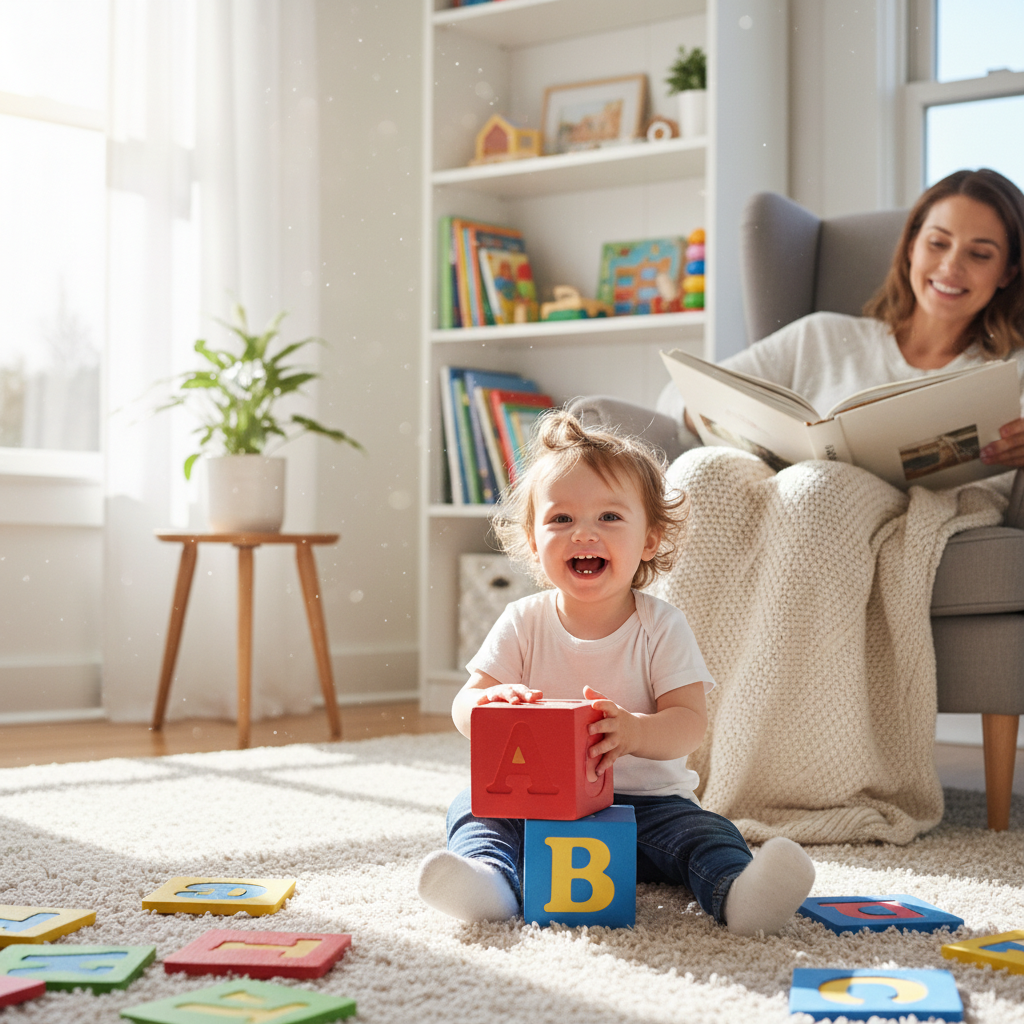
Supporting Child Emotional Development in the Early Years: A Comprehensive Guide
Emotional development is a critical aspect of a child's overall growth and development, and it lays the foundation for their social, emotional, and cognitive abilities. In the early years, children learn to navigate their emotions, develop emotional regulation skills, and form relationships with their caregivers and peers. As a parent or caregiver, you play a significant role in supporting your child's emotional development, and this guide will provide you with practical strategies and tips to promote healthy emotional growth in your little one.
One of the most important ways to support child emotional development is to create a safe and nurturing environment. This means providing a warm and responsive relationship where your child feels seen, heard, and validated. By responding to your child's emotional needs, you help them develop a sense of security and trust, which is essential for emotional regulation and resilience. For example, when your child is upset or distressed, try to stay calm and empathize with their feelings. This can help your child feel heard and understood, and it can also help them develop self-regulation skills.
Another key strategy for supporting child emotional development is to model healthy emotional expression. Children learn from what they see, and they often mimic the behaviors and emotions of their caregivers. By expressing your emotions in a healthy and constructive way, you can help your child develop emotional intelligence and learn to manage their own emotions effectively. For example, if you're feeling upset or frustrated, try to express your emotions in a calm and respectful way, such as saying 'I'm feeling really frustrated right now, but I'm going to take a deep breath and try to relax.'
Labeling and validating your child's emotions is also an important strategy for supporting emotional development. By acknowledging and accepting your child's feelings, you can help them develop emotional awareness and learn to regulate their emotions effectively. For example, if your child is feeling sad or upset, try to say 'I can see that you're really upset right now. It can be really hard to feel sad sometimes. Let's take a deep breath together and see if we can find something to make you feel better.'
Finally, it's essential to provide opportunities for your child to practice emotional regulation and develop self-awareness. This can be done through play-based activities, such as role-playing, drawing, or storytelling. By engaging in these activities, your child can develop emotional intelligence and learn to manage their emotions in a healthy and constructive way. For example, you can ask your child to draw a picture of how they're feeling, or engage in a role-playing activity where they have to regulate their emotions in a pretend scenario. By providing opportunities for your child to practice emotional regulation and develop self-awareness, you can help them develop the skills they need to navigate their emotions and achieve emotional well-being.
In conclusion, supporting child emotional development in the early years is a critical aspect of a child's overall growth and development. By creating a safe and nurturing environment, modeling healthy emotional expression, labeling and validating your child's emotions, and providing opportunities for emotional regulation and self-awareness, you can help your child develop the skills they need to navigate their emotions and achieve emotional well-being. Remember, every child is unique, and what works for one child may not work for another. Be patient, consistent, and responsive to your child's needs, and you'll be well on your way to supporting their emotional development and helping them thrive in the years to come.
What's Your Reaction?