Climate Change: The Story of Asia's First Dead Glacier
Discover the tragic story of Asia's first dead glacier and the impact of climate change on our planet
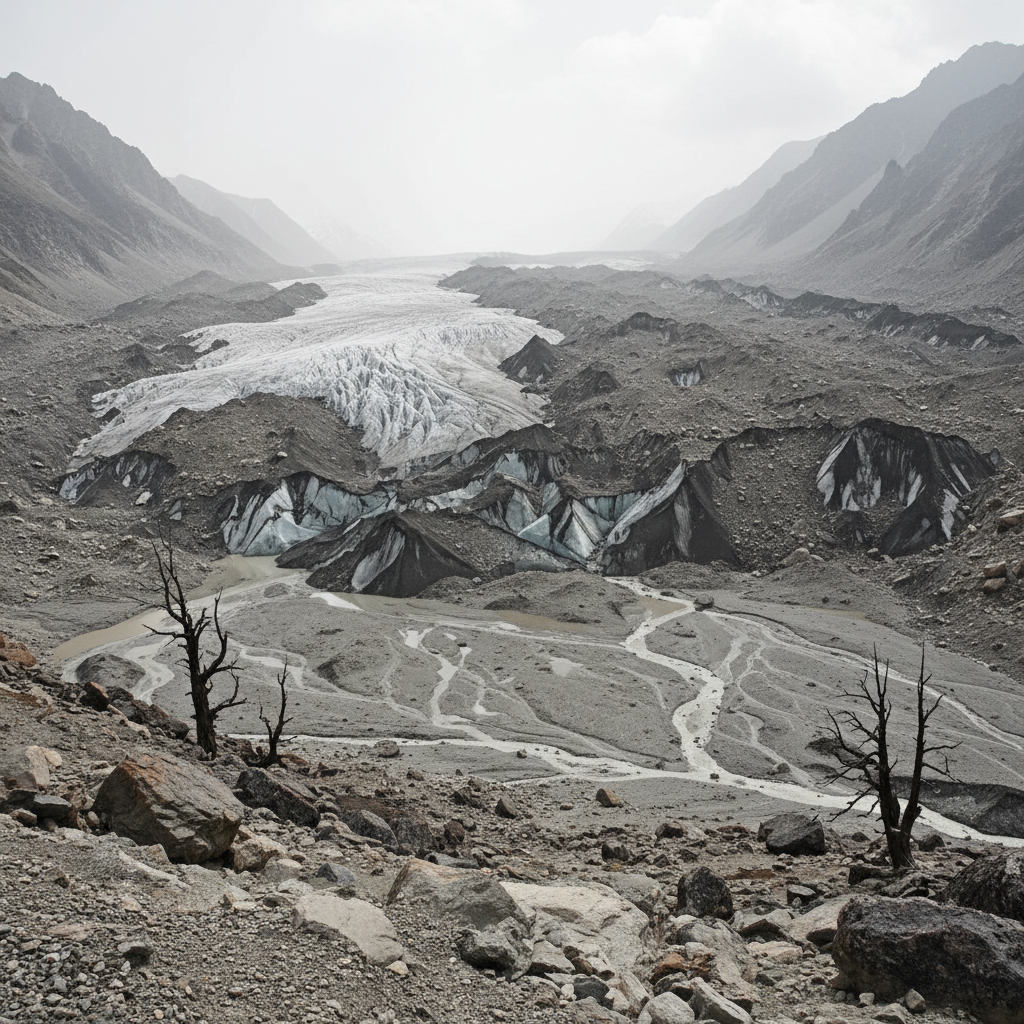
Asia's First Dead Glacier: A Harrowing Tale of Climate Change
Located in the Himalayas, Siachen Glacier was once a thriving ice mass, but it has now been declared dead due to the devastating effects of climate change. This glacier, situated at an altitude of over 22,000 feet, was a significant contributor to the region's hydrology and ecology. However, over the years, it has been shrinking at an alarming rate, eventually succumbing to the harsh realities of climate change.
The glacier's demise serves as a stark reminder of the far-reaching consequences of global warming. Rising temperatures have led to an increase in melting, causing the glacier to shrink by over 80% in the past few decades. This has resulted in a significant reduction in water flow, affecting the surrounding ecosystem and local communities.
The loss of glaciers like Siachen has severe implications for the environment, including sea-level rise, changes in precipitation patterns, and alterations to the global water cycle. Moreover, the melting of glaciers can lead to the release of stored carbon dioxide and methane, exacerbating the problem of climate change.
As the world grapples with the challenges posed by climate change, it is essential to understand the devastating impact it can have on our planet. The story of Asia's first dead glacier serves as a stark reminder of the urgent need for action to mitigate the effects of climate change.
To address this critical issue, it is crucial to adopt sustainable practices, reduce carbon emissions, and promote eco-friendly policies. By working together, we can minimize the damage caused by climate change and ensure a better future for generations to come.
As we reflect on the tragic story of Siachen Glacier, let us remember the importance of taking collective action to combat climate change. The fate of our planet depends on it.
What's Your Reaction?