Prehistoric Sea Cows: Fossilized Remains and Insights into Ancient Marine Ecosystems
Discover the fascinating history of prehistoric sea cows, their fossilized remains, and the insights they provide into ancient marine ecosystems.
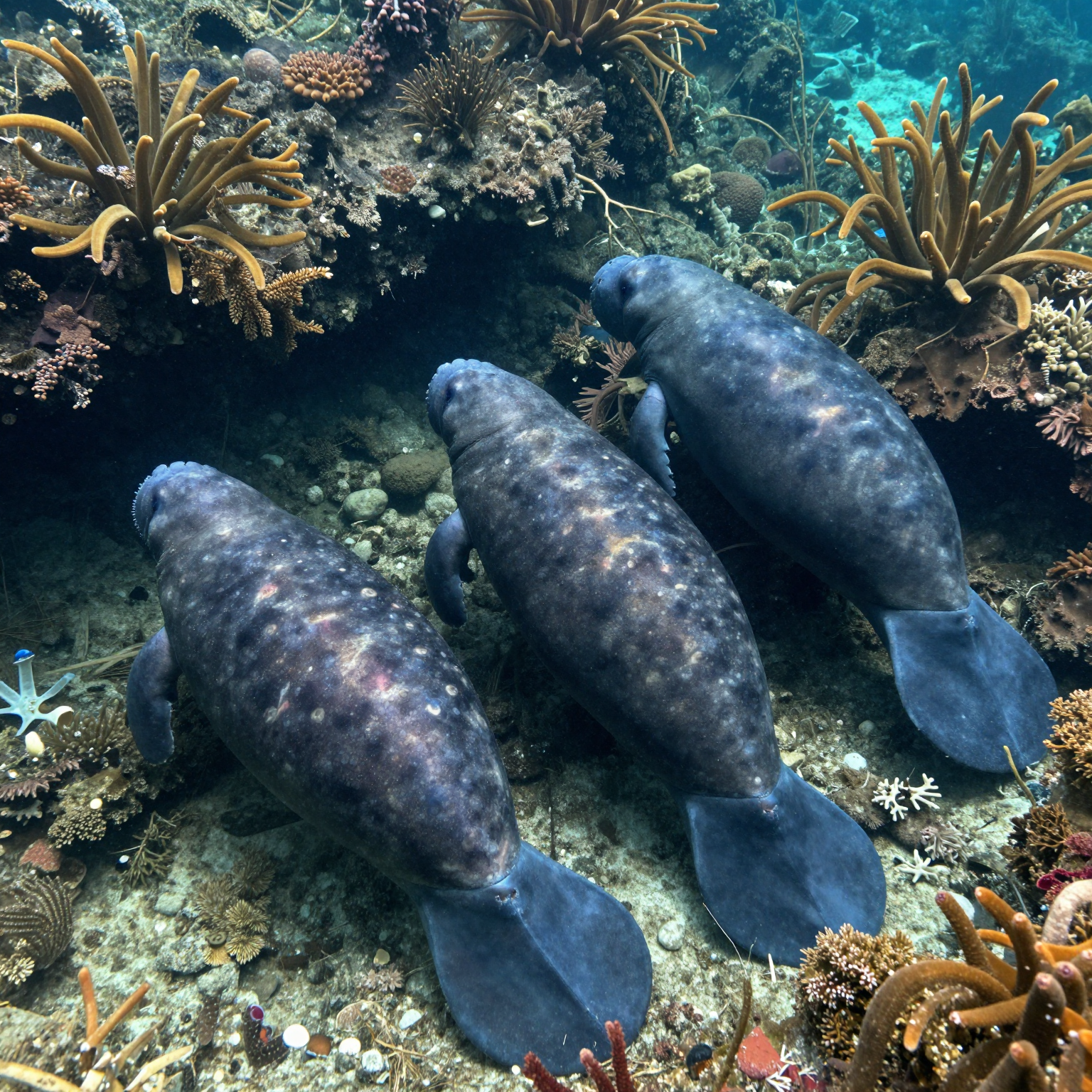
Prehistoric Sea Cows: A Glimpse into Ancient Marine Ecosystems
The discovery of prehistoric sea cows has provided significant insights into the evolution of marine ecosystems, revealing a complex and diverse array of species that once inhabited our planet.
These massive, herbivorous mammals roamed the oceans during the Eocene and Oligocene epochs, around 50-30 million years ago, playing a crucial role in shaping the marine food chain.
One of the most well-known prehistoric sea cows is the Steller's sea cow, a species that was discovered by the German naturalist Georg Steller in 1741. This massive creature could reach lengths of up to 30 feet and weigh up to 8 tons, making it one of the largest mammals to have ever existed.
The fossilized remains of prehistoric sea cows have been found in various parts of the world, including the Arctic, the Antarctic, and the North Atlantic. These remains have provided valuable information about the diet, behavior, and habitat of these ancient creatures.
Studies have shown that prehistoric sea cows were primarily herbivores, feeding on a variety of marine plants, including seaweed and seagrass. They also had a unique digestive system that allowed them to break down cellulose in plant cell walls, enabling them to digest plant material more efficiently.
The discovery of prehistoric sea cows has also shed light on the evolution of marine ecosystems, revealing a complex and dynamic process that has been shaped by the interactions between species and their environment.
In conclusion, the study of prehistoric sea cows has provided a unique perspective on the history of marine ecosystems, highlighting the importance of these creatures in shaping the evolution of our planet.
What's Your Reaction?