Ancient Civilizations in India: A Journey Through Time
Discover the rich history and cultural heritage of ancient India, exploring the Indus Valley Civilization, Vedic Period, Mauryan Empire, and more.
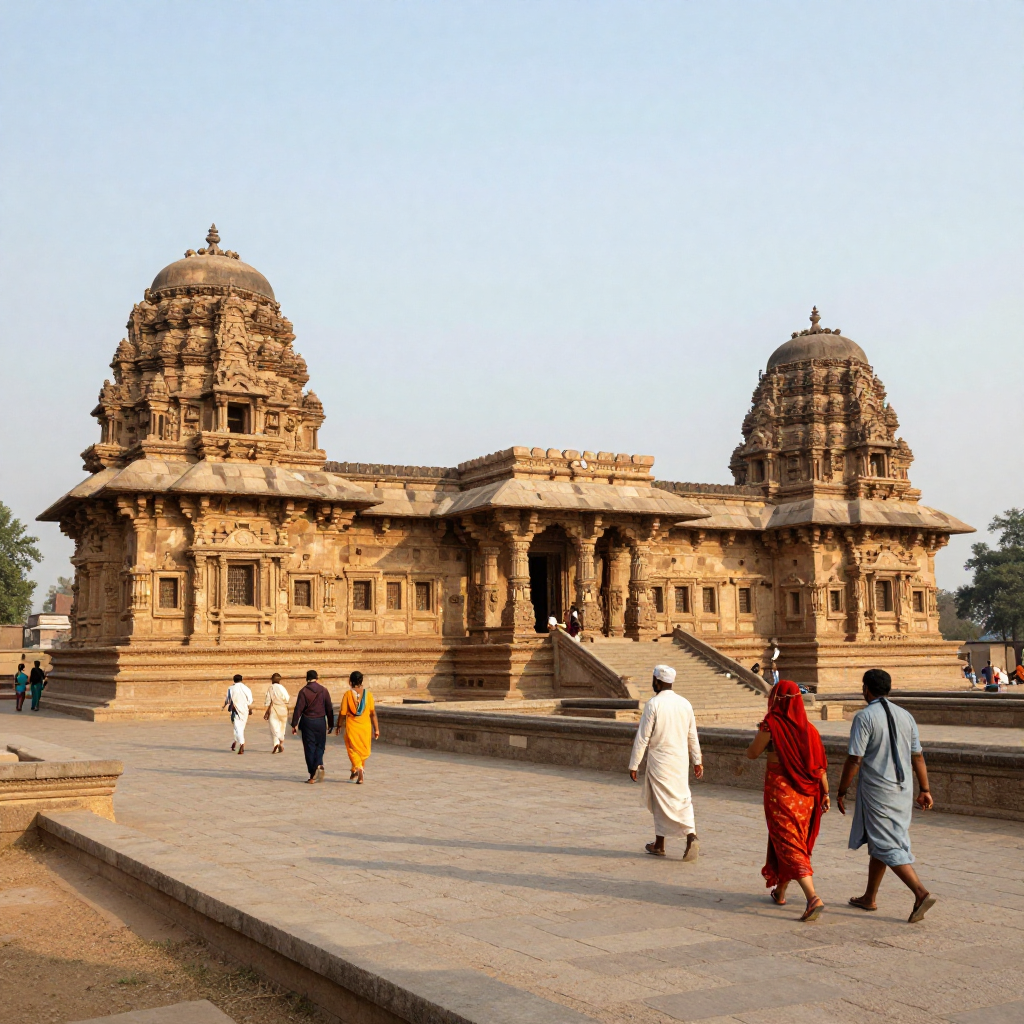
Ancient Civilizations in India: A Journey Through Time
India, a country with a rich cultural heritage, has a history that dates back thousands of years. The ancient civilizations of India played a significant role in shaping the country into what it is today. In this article, we will embark on a journey through time, exploring the Indus Valley Civilization, Vedic Period, Mauryan Empire, and other notable ancient civilizations in India.
The Indus Valley Civilization, which flourished around 4000-1300 BCE, is considered one of the oldest civilizations in the world. This civilization is renowned for its sophisticated urban planning, architecture, and water management systems. The cities of Mohenjo-Daro and Harappa, which were part of this civilization, are a testament to the advanced technological skills of the people who lived there.
The Vedic Period, which lasted from around 1500 BCE to 500 BCE, is another significant chapter in Indian history. This period saw the rise of the Vedas, the oldest Hindu scriptures, and the development of the Vedic philosophy. The Vedic Period was marked by the establishment of the first Hindu kingdoms, which played a crucial role in shaping the country's cultural and religious heritage.
The Mauryan Empire, which ruled India from 322 BCE to 185 BCE, is considered one of the greatest empires in Indian history. Founded by Chandragupta Maurya, this empire was known for its efficient administrative systems, robust economy, and cultural achievements. The Mauryan Empire played a significant role in spreading Buddhism throughout the Indian subcontinent.
Other notable ancient civilizations in India include the Gupta Empire, which ruled from 320 CE to 550 CE, and the Rajput kingdoms, which flourished from the 6th to the 12th centuries CE. These civilizations made significant contributions to Indian art, literature, and architecture, and their legacies continue to influence Indian culture today.
In conclusion, the ancient civilizations of India have left an indelible mark on the country's history and culture. From the Indus Valley Civilization to the Mauryan Empire, each of these civilizations has contributed to the rich tapestry of Indian heritage. As we continue to learn from our past, we can appreciate the significance of these ancient civilizations and the role they played in shaping the India we know today.
What's Your Reaction?