How to Encourage Healthy Eating Habits in Children A Parent's Guide
Learn effective tips to encourage healthy eating habits in kids with this comprehensive guide for parents.
How to Encourage Healthy Eating Habits in Children A Parent's Guide
As a parent, it's essential to instill healthy eating habits in your children from a young age. This not only sets them up for a lifetime of good health but also helps them develop a positive relationship with food. In this article, we'll explore the importance of healthy eating habits in children and provide practical tips to encourage them to make nutritious food choices.
The importance of healthy eating habits in children cannot be overstated. A well-balanced diet provides the necessary fuel for growth, development, and energy. It also helps prevent chronic diseases such as obesity, diabetes, and heart disease. Furthermore, healthy eating habits can have a significant impact on a child's mental health and academic performance.
So, how can you encourage healthy eating habits in your children? Here are some effective tips to get you started:
1. Lead by example: Children often mimic their parents' behavior, so make sure you're practicing what you preach. Eat a variety of fruits, vegetables, and whole grains in front of your child to show them the importance of healthy eating.
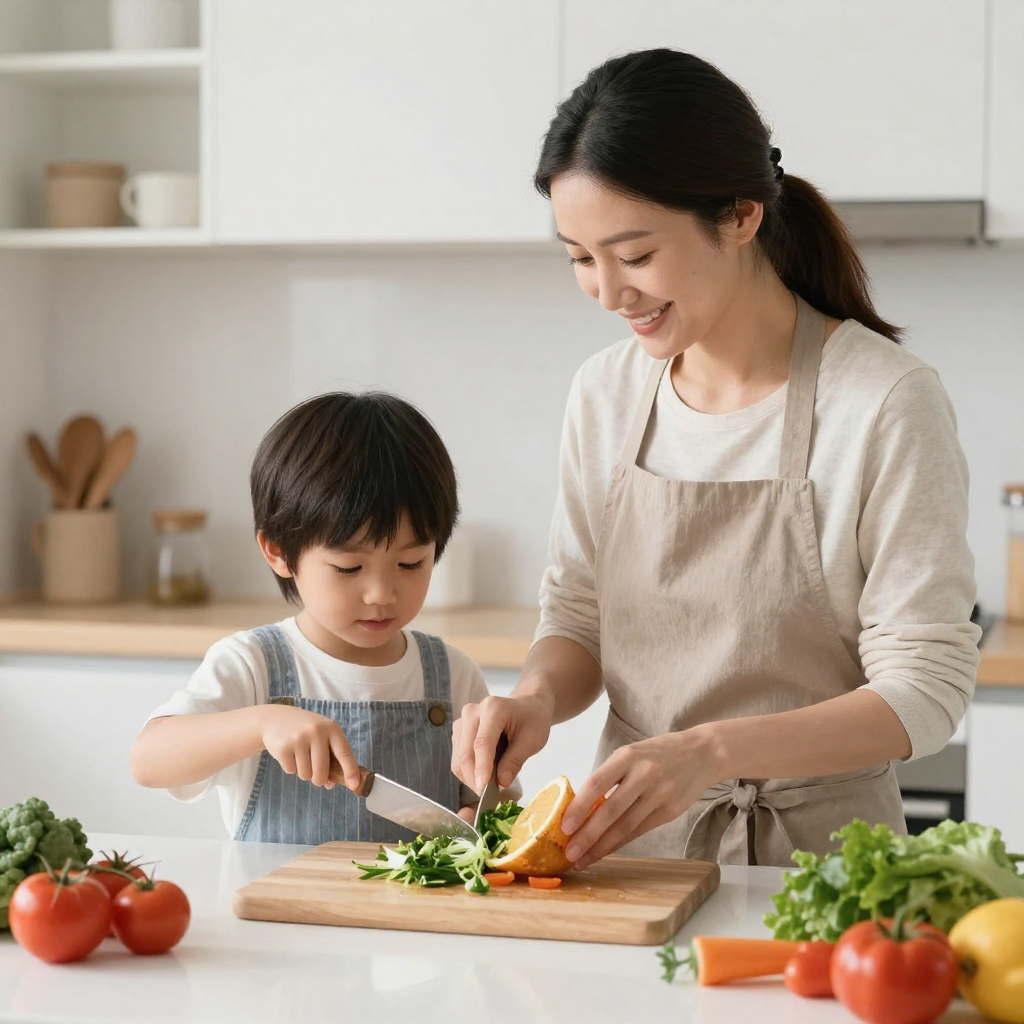
2. Make mealtime fun: Turn mealtime into a positive experience by engaging your child in the cooking process. Let them help with meal planning, grocery shopping, and food preparation. This not only teaches them about the value of hard work but also helps them develop a sense of ownership and pride in the meal.
3. Offer a variety of foods: Expose your child to a wide range of foods, including fruits, vegetables, whole grains, lean proteins, and healthy fats. Avoid forcing them to eat something they dislike, but instead, offer small portions and let them try different foods in a non-threatening way.
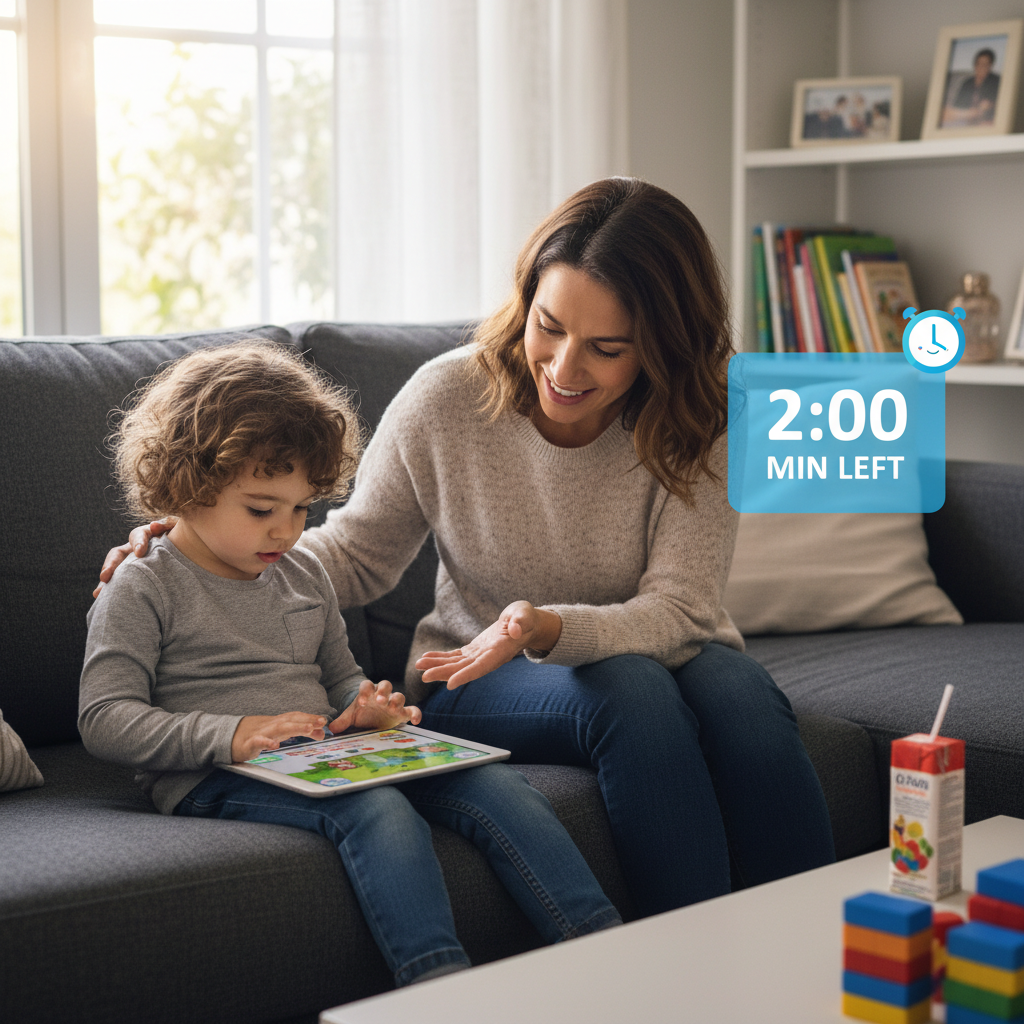
4. Limit screen time: Excessive screen time can lead to unhealthy snacking habits and a lack of physical activity. Set limits on screen time and encourage outdoor play, sports, or other physical activities that promote a healthy lifestyle.
5. Involve your child in the grocery shopping process: Take your child with you to the grocery store and let them help with shopping for fruits, vegetables, and other healthy foods. This not only teaches them about budgeting and nutrition but also helps them develop an appreciation for the value of money.
6. Make healthy snacks easily accessible: Offer a variety of healthy snacks, such as fruits, nuts, and carrot sticks with hummus, and make them easily accessible to your child. This encourages them to reach for healthy options instead of junk food.
7. Be patient and consistent: Developing healthy eating habits takes time, patience, and consistency. Avoid forcing your child to eat something they dislike, and instead, focus on providing a variety of healthy options and encouraging them to try new foods.
By following these tips, you can help your child develop healthy eating habits that will last a lifetime. Remember, it's essential to lead by example, make mealtime fun, offer a variety of foods, limit screen time, involve your child in the grocery shopping process, make healthy snacks easily accessible, and be patient and consistent. With time and effort, your child will learn to appreciate the value of healthy eating and develop a positive relationship with food.
Conclusion
Encouraging healthy eating habits in children is a vital aspect of parenting. By following the tips outlined in this article, you can help your child develop a positive relationship with food and set them up for a lifetime of good health. Remember to lead by example, make mealtime fun, offer a variety of foods, limit screen time, involve your child in the grocery shopping process, make healthy snacks easily accessible, and be patient and consistent. With time and effort, your child will learn to appreciate the value of healthy eating and develop a lifelong habit of making nutritious food choices.
What's Your Reaction?