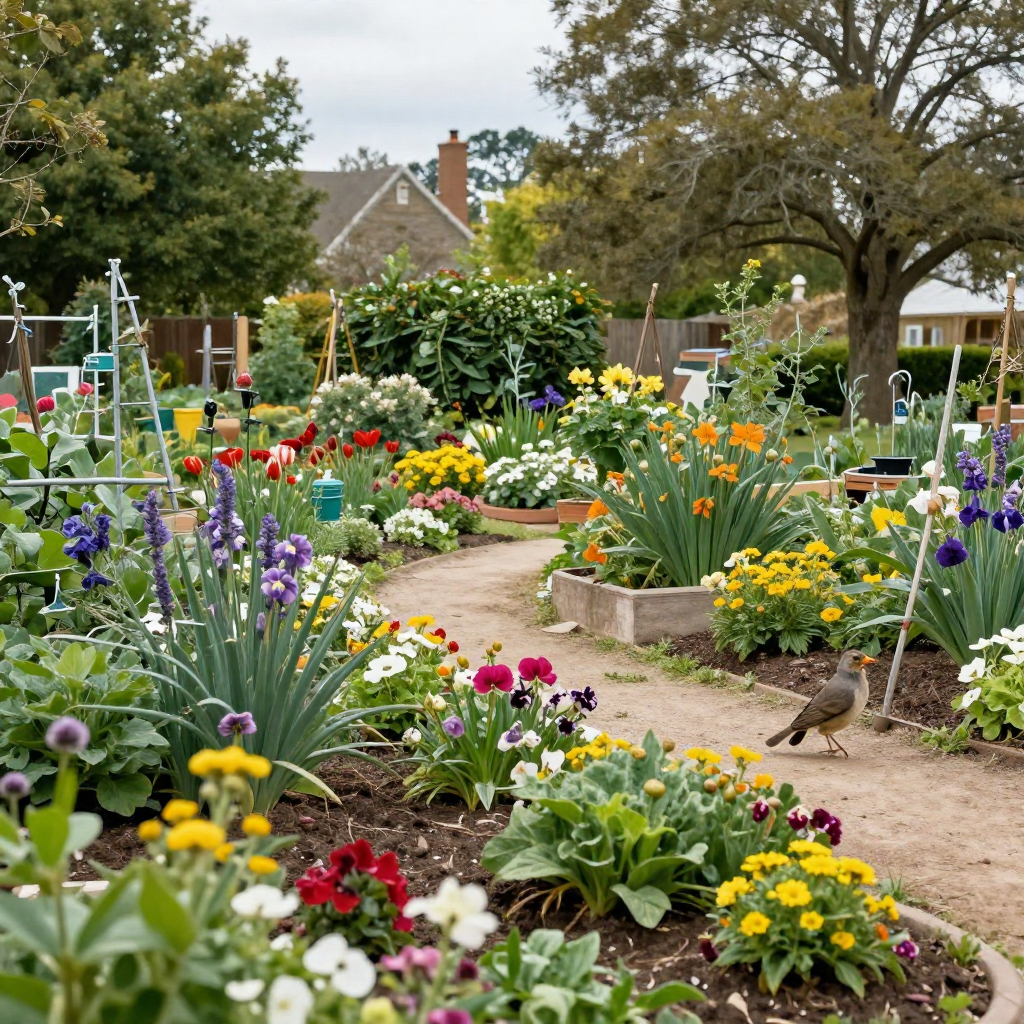
The Benefits of Native Plants for Biodiversity: A Comprehensive Guide for Gardeners
Discover the importance of native plants for biodiversity and learn how to create a thriving garden that supports local ecosystems
The Benefits of Native Plants for Biodiversity: A Guide for Gardeners
As gardeners, we have the power to make a positive impact on the environment by choosing the right plants for our gardens. Native plants are an excellent option for supporting biodiversity and creating a thriving ecosystem. In this article, we will explore the benefits of native plants and provide a comprehensive guide for gardeners looking to make a difference.
Native plants are those that are naturally found in a particular region or ecosystem. They have evolved over time to coexist with local wildlife and provide essential ecosystem services such as food, shelter, and habitat. By planting native species, we can help to maintain the health and resilience of our ecosystems, which is essential for supporting biodiversity.
One of the most significant benefits of native plants is their ability to attract pollinators and other beneficial insects. Many native plants are rich in nectar and pollen, making them an essential food source for bees, butterflies, and other pollinators. By planting a variety of native flowers and shrubs, we can create a haven for these important insects and support their populations.
Native plants also provide habitat for a wide range of wildlife, including birds, reptiles, and small mammals. By incorporating native plants into our gardens, we can create a safe and welcoming environment for these animals, which is essential for maintaining healthy populations.
Another benefit of native plants is their ability to conserve water and reduce the need for fertilizers and pesticides. Native plants are adapted to the local climate and soil conditions, which means they require less maintenance and care. This makes them an excellent option for gardeners looking to reduce their environmental impact.
So, how can you incorporate native plants into your garden? The first step is to research the native plants that are suitable for your region. You can consult with local nurseries, gardening clubs, or online resources to find out which plants are best suited to your climate and soil type. Once you have selected the plants you want to use, make sure to plant them in a location that provides the right conditions for growth.
When planting native species, it's essential to consider the specific needs of each plant. Some native plants may require full sun, while others may prefer partial shade. Make sure to research the specific requirements of each plant and provide the right conditions for growth.
In conclusion, native plants are an excellent option for gardeners looking to support biodiversity and create a thriving ecosystem. By choosing native species, we can help to maintain the health and resilience of our ecosystems, which is essential for supporting local wildlife and pollinators. With a little research and planning, we can create a beautiful and sustainable garden that benefits both people and the environment.
About the Author: [Author Name] is a passionate gardener and environmentalist with a wealth of experience in sustainable gardening practices. With a focus on native plants and ecosystem services, [Author Name] aims to inspire others to make a positive impact on the environment through gardening.
What's Your Reaction?