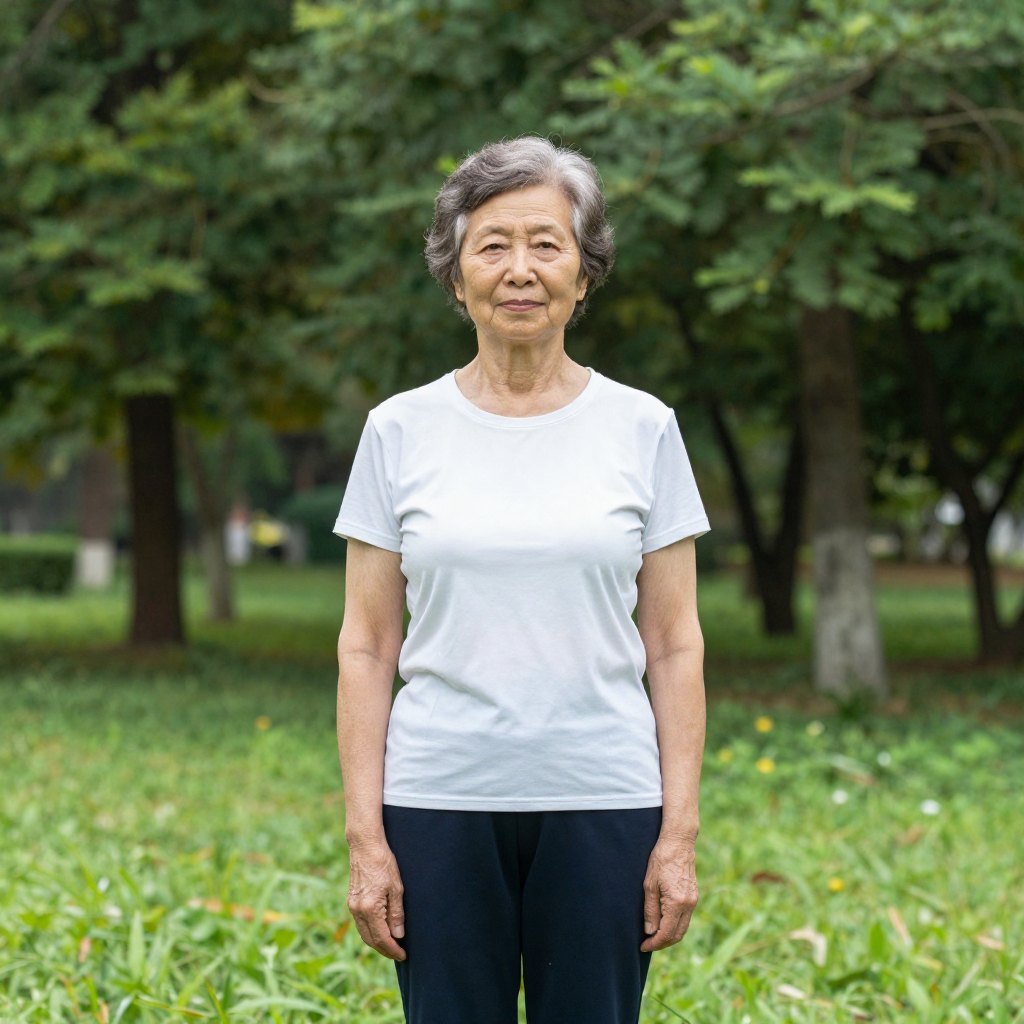
Mental Health Practices That Help Reduce Daily Anxiety
Discover effective mental health practices to reduce daily anxiety. Learn breathing techniques, mindfulness, exercise, sleep hygiene, and more to improve well-being and calm your mind.
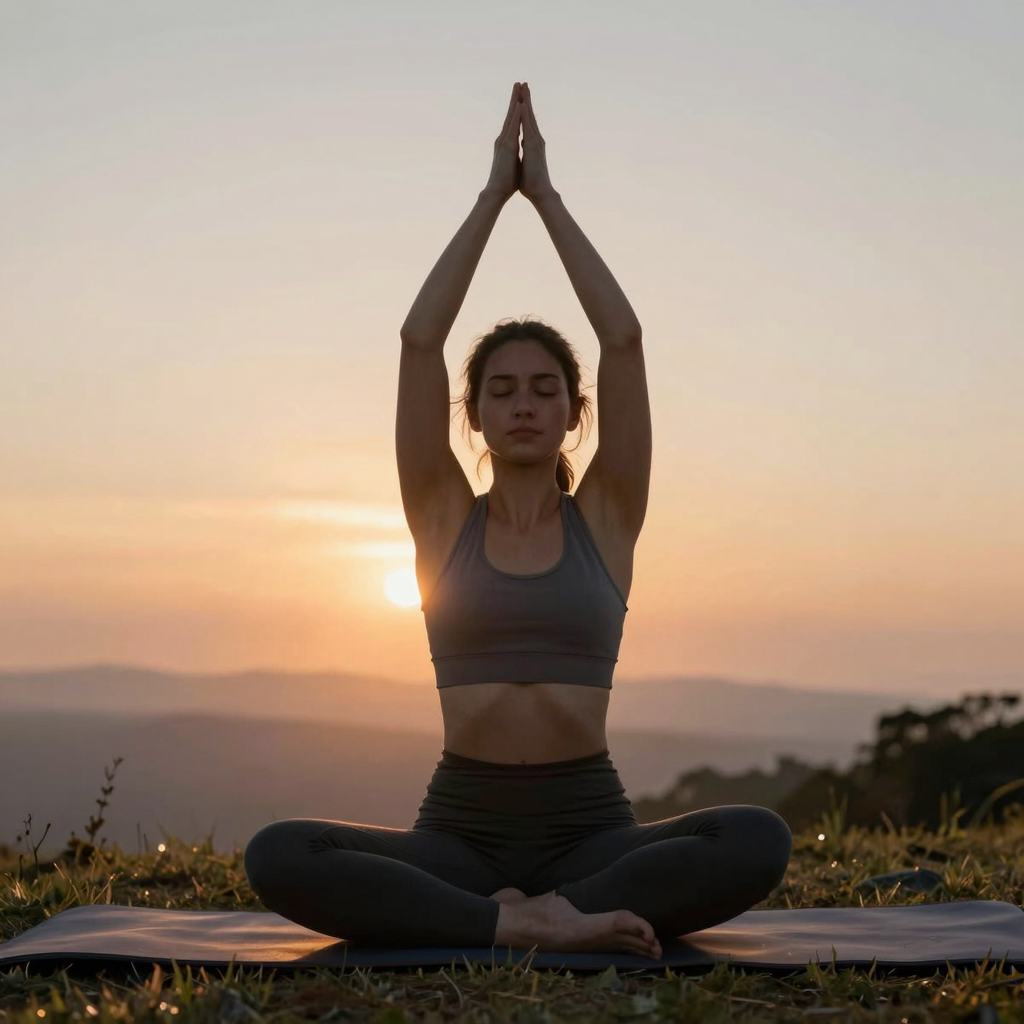
Mental Health Practices That Help Reduce Daily Anxiety
Anxiety can feel overwhelming, but simple, evidence-based practices can make a big difference in daily life. By integrating breathing exercises, mindfulness, regular movement, proper sleep, and healthy habits into your routine, you can create a calmer, more resilient mindset.
1. Breathing Techniques for Instant Calm
Controlled breathing activates the parasympathetic nervous system, lowering heart rate and reducing cortisol. Try the 4-7-8 method: inhale for 4 seconds, hold for 7, exhale for 8. Repeat 3–4 times. This quick practice can be done anywhere, from the office to a quiet corner at home.
Why It Works
Deep breaths increase oxygen flow and signal the brain to relax, interrupting the anxious thought loop.
2. Mindfulness Meditation to Ground Your Thoughts
Mindfulness involves paying attention to the present moment without judgment. A daily 10‑minute session—focusing on breath, sensations, or a guided audio—helps rewire the brain to respond less reactively to stressors.
Getting Started
Use free apps or YouTube videos. Start with short intervals and gradually extend your practice.
3. Regular Physical Activity
Exercise releases endorphins, improves mood, and reduces anxiety symptoms. Aim for 30 minutes of moderate activity most days, such as brisk walking, cycling, or a home workout routine.
Exercise Tips
Choose activities you enjoy, set realistic goals, and track progress to stay motivated.
4. Sleep Hygiene for a Restful Night
Inconsistent sleep patterns can amplify anxiety. Establish a bedtime routine: dim lights, limit screens an hour before sleep, and keep a consistent wake-up time.
Sleep Support Tools
Use white noise, a comfortable mattress, and avoid caffeine after 2 pm.
5. Nutrition and Hydration
Balanced meals stabilize blood sugar and support neurotransmitter function. Incorporate omega‑3 rich foods, leafy greens, and stay hydrated—aim for 8 glasses a day.
Quick Snack Ideas
Almonds, yogurt, fruit, or a smoothie can curb cravings and keep energy steady.
6. Digital Detox and Boundaries
Constant notifications can trigger anxiety. Set screen‑free zones, schedule tech breaks, and use app‑limit features to protect mental space.
Practical Steps
Turn off non‑essential alerts and designate “no‑phone” times during meals and before bed.
7. Journaling for Clarity
Writing down thoughts helps externalize worries. A brief gratitude or anxiety log each night can shift focus from fear to appreciation.
How to Journal
Write 3–5 sentences about what triggered anxiety and what you’re grateful for.
8. Social Connection and Support
Talking with trusted friends or a therapist provides perspective and reduces isolation. Even a short supportive call can lower perceived stress.
Finding Support
Join local groups, online communities, or seek professional counseling if anxiety persists.
9. Progressive Muscle Relaxation
This technique involves tensing and releasing muscle groups to release tension. Practice for 5–10 minutes before bed to ease physical anxiety cues.
Step‑by‑Step
Start with feet, move up to calves, thighs, abdomen, arms, and face. Hold tension for 5 seconds, then release.
10. Setting Realistic Goals and Priorities
Overcommitment fuels anxiety. Break tasks into manageable chunks, prioritize, and celebrate small wins.
Goal‑Setting Framework
Use the SMART method: Specific, Measurable, Achievable, Relevant, Time‑bound.
Putting It All Together
Consistency is key. Combine at least three practices—such as breathing, movement, and sleep hygiene—into a daily routine. Track progress with a simple checklist or app to stay motivated.
By adopting these mental health practices, you can reduce daily anxiety, improve overall well-being, and build resilience against future stressors.
What's Your Reaction?