How Artificial Intelligence Is Changing Everyday Life
Explore how AI is reshaping daily routines, from smart homes and personalized health care to efficient transportation and creative tools, and learn how to leverage these innovations responsibly.
How Artificial Intelligence Is Changing Everyday Life
Artificial intelligence (AI) is no longer a futuristic concept; it is embedded in the fabric of our daily routines. From the moment we wake up to the time we go to sleep, AI-driven systems are optimizing, personalizing, and simplifying tasks. This article explores the most significant ways AI is transforming everyday life, the benefits it brings, and the responsibilities that come with its adoption.
Smart Homes: The Heart of AI-Enabled Living
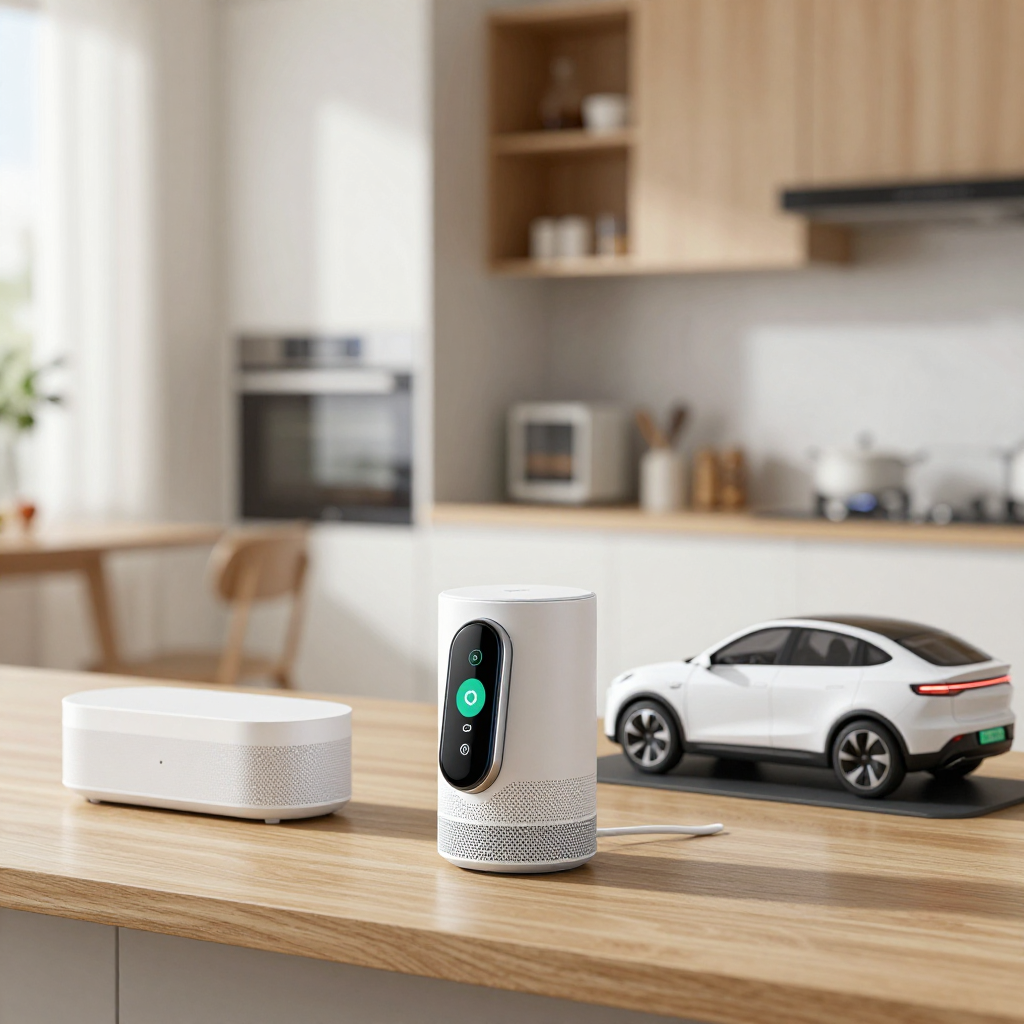
Smart home ecosystems have become the cornerstone of AI integration. Voice assistants like Amazon Alexa, Google Assistant, and Apple Siri interpret natural language to control lighting, temperature, entertainment, and security systems. These assistants learn user preferences over time, automatically adjusting settings to match individual habits. For example, a thermostat can predict when occupants will return home and preheat the room, saving energy and enhancing comfort.
Energy Efficiency and Sustainability
AI algorithms analyze data from smart meters, weather forecasts, and occupancy patterns to optimize energy usage. By balancing heating, cooling, and appliance consumption, homes can reduce their carbon footprint while lowering utility bills. The integration of AI with renewable energy sources, such as solar panels, further enhances sustainability by directing surplus power to grid storage or home appliances when demand peaks.
Personalized Health Care: From Wearables to Virtual Doctors
Wearable devices equipped with AI track heart rate, sleep patterns, and physical activity, providing users with actionable health insights. AI-powered apps can detect anomalies—such as irregular heart rhythms or sleep disturbances—and alert users or healthcare providers before serious conditions develop.
Telemedicine and Virtual Diagnostics
AI-driven chatbots and diagnostic tools assist patients in triaging symptoms and scheduling appointments. In some regions, AI algorithms analyze medical images, such as X-rays and MRIs, with accuracy comparable to human radiologists. This speeds up diagnoses, reduces costs, and expands access to quality care in underserved areas.
Transportation: Autonomous Vehicles and Smart Mobility
Self-driving cars and AI-assisted navigation systems are redefining commuting. AI processes real-time traffic data, road conditions, and driver behavior to optimize routes, reduce congestion, and improve safety. Ride-sharing platforms use AI to match supply with demand, dynamically adjusting pricing and reducing wait times.
Public Transit and Smart Infrastructure
AI models predict passenger flow, enabling transit authorities to schedule buses and trains more efficiently. Smart traffic lights adjust signal timing based on traffic density, minimizing idle times and reducing emissions. These innovations collectively contribute to smoother, greener urban mobility.
Creative AI: From Writing to Design
Creative tools powered by AI are democratizing content creation. Language models generate blog posts, marketing copy, and even poetry, while image generation algorithms produce realistic artwork from simple prompts. Designers use AI to iterate quickly, exploring color palettes, layouts, and typography at unprecedented speeds.
Enhancing Collaboration and Accessibility
AI-driven translation services break language barriers, enabling real-time communication across cultures. Accessibility tools, such as AI-powered voice-to-text and image recognition, empower people with disabilities to interact with digital content more easily.
Ethical Considerations and Responsible AI Use
While AI offers tremendous benefits, it also raises concerns around privacy, bias, and job displacement. Users should be mindful of data sharing practices, opt for transparent AI services, and stay informed about algorithmic accountability. Companies must prioritize ethical AI design, ensuring that systems are fair, explainable, and aligned with societal values.
As AI continues to permeate everyday life, its impact will grow. By embracing the technology responsibly, we can unlock new opportunities for efficiency, health, and creativity while safeguarding our privacy and well-being.
What's Your Reaction?