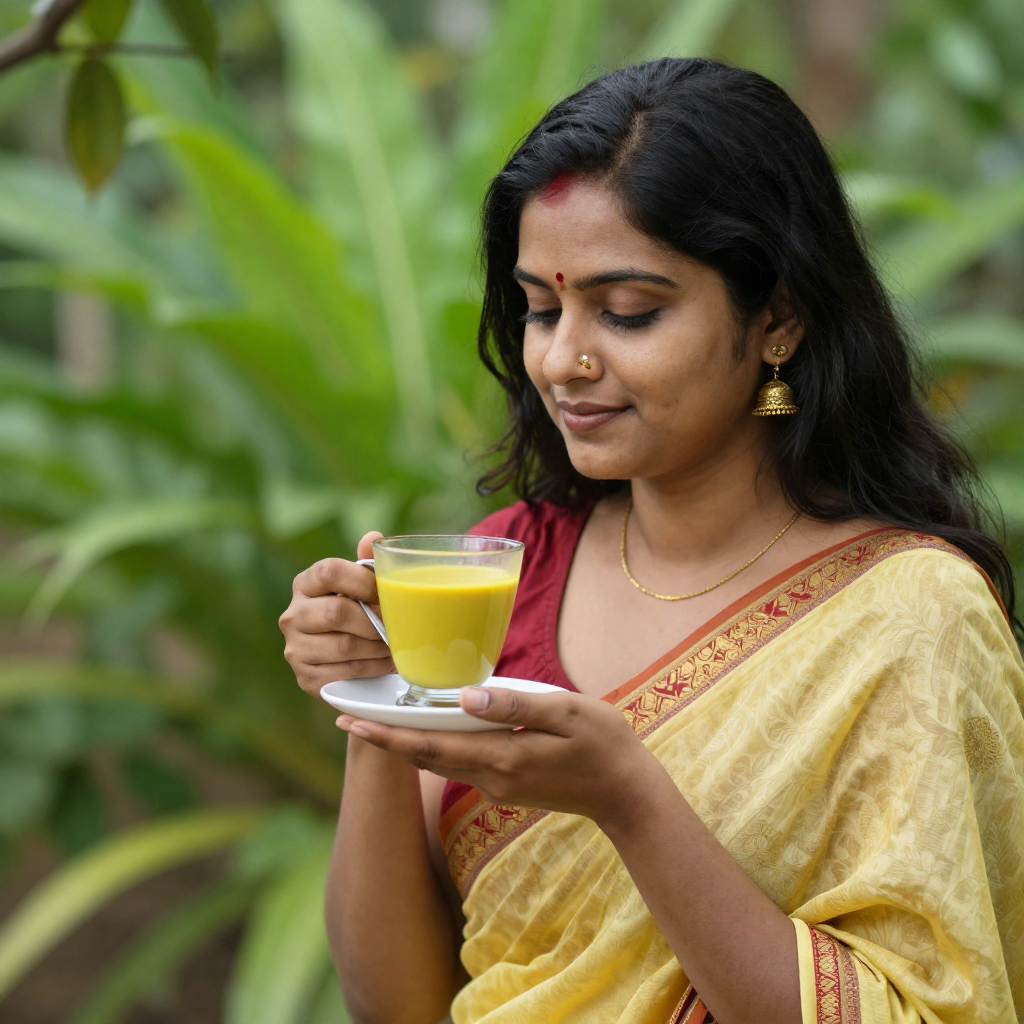
Ayurvedic Cooking Techniques for a Balanced Diet: Unlocking the Secrets of Ancient Indian Cuisine
Discover the principles of Ayurvedic cooking and learn how to create a balanced diet using traditional Indian techniques
Ayurvedic Cooking Techniques for a Balanced Diet
Ayurvedic cooking is an ancient Indian practice that emphasizes the use of whole, nutrient-dense foods to promote physical and mental well-being. The principles of Ayurvedic cooking are based on the concept of tridoshic balance, which aims to harmonize the body\'s three doshas: Vata, Pitta, and Kapha. By applying these principles to your cooking, you can create a balanced diet that nourishes your body and soul.
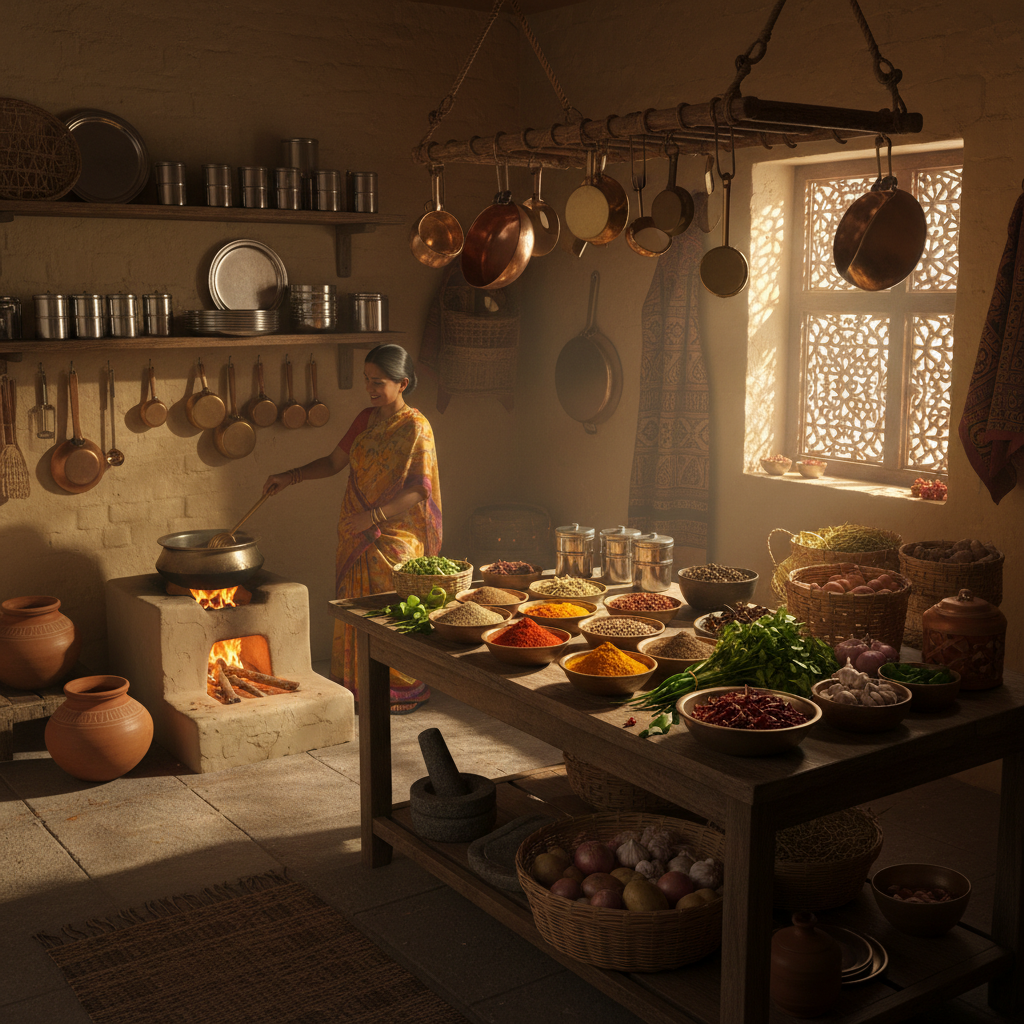
One of the key techniques in Ayurvedic cooking is the use of spices and herbs to enhance flavor and promote digestion. Common spices used in Ayurvedic cooking include turmeric, cumin, coriander, and cinnamon. These spices not only add flavor to your dishes but also have medicinal properties that can help to reduce inflammation and improve digestion.
Another important aspect of Ayurvedic cooking is the use of ghee, or clarified butter. Ghee is a healthy fat that is rich in conjugated linoleic acid (CLA), which has been shown to have anti-inflammatory properties. Ghee is also a good source of fat-soluble vitamins, including vitamins A, D, E, and K. In Ayurvedic cooking, ghee is often used as a finishing oil, added to dishes just before serving to enhance flavor and texture.
Ayurvedic cooking also emphasizes the use of seasonal ingredients, which are believed to be more nourishing and easier to digest. For example, in the winter months, Ayurvedic cooking often incorporates warming spices and root vegetables to help combat cold and flu. In the summer months, cooling ingredients like cucumbers and mint are used to help reduce heat and promote digestion.
By incorporating these Ayurvedic cooking techniques into your daily routine, you can create a balanced diet that nourishes your body and soul. Remember to always use whole, nutrient-dense foods, and to incorporate a variety of spices and herbs to enhance flavor and promote digestion. With practice and patience, you can unlock the secrets of Ayurvedic cooking and enjoy a lifetime of health and well-being.
Some popular Ayurvedic recipes include:
- Vegetable korma: a mild and creamy curry made with a variety of seasonal vegetables
- Chana masala: a spicy and flavorful stew made with chickpeas and warming spices
- Sambar: a traditional South Indian soup made with lentils and vegetables
Whether you\'re a seasoned cook or a beginner, Ayurvedic cooking offers a wealth of knowledge and inspiration for creating delicious and balanced meals. So why not give it a try and see the benefits for yourself?
Ayurvedic cooking is not just about following a set of rules or recipes – it\'s about cultivating a deeper connection to your body and the natural world. By embracing the principles of Ayurvedic cooking, you can create a more balanced and nourishing diet that brings you joy, vitality, and a sense of well-being.
As you explore the world of Ayurvedic cooking, remember to be patient and kind to yourself. It\'s okay to make mistakes and try new things – the most important thing is to have fun and enjoy the process of learning and growth.
With time and practice, you\'ll become more confident in your ability to create delicious and balanced meals using Ayurvedic cooking techniques. And as you do, you\'ll begin to notice the positive impact that these techniques have on your body and mind.
So why not give Ayurvedic cooking a try today and see the benefits for yourself? With a little practice and patience, you can unlock the secrets of this ancient Indian practice and enjoy a lifetime of health and well-being.
In conclusion, Ayurvedic cooking is a powerful tool for creating a balanced and nourishing diet. By incorporating these techniques into your daily routine, you can promote physical and mental well-being, and cultivate a deeper connection to your body and the natural world. So why not give it a try and see the benefits for yourself?
What's Your Reaction?