The Impact of Climate Change on Glaciers: A Stark Warning for the Future
Learn about the devastating effects of climate change on glaciers worldwide, a stark warning for our future ecosystem.
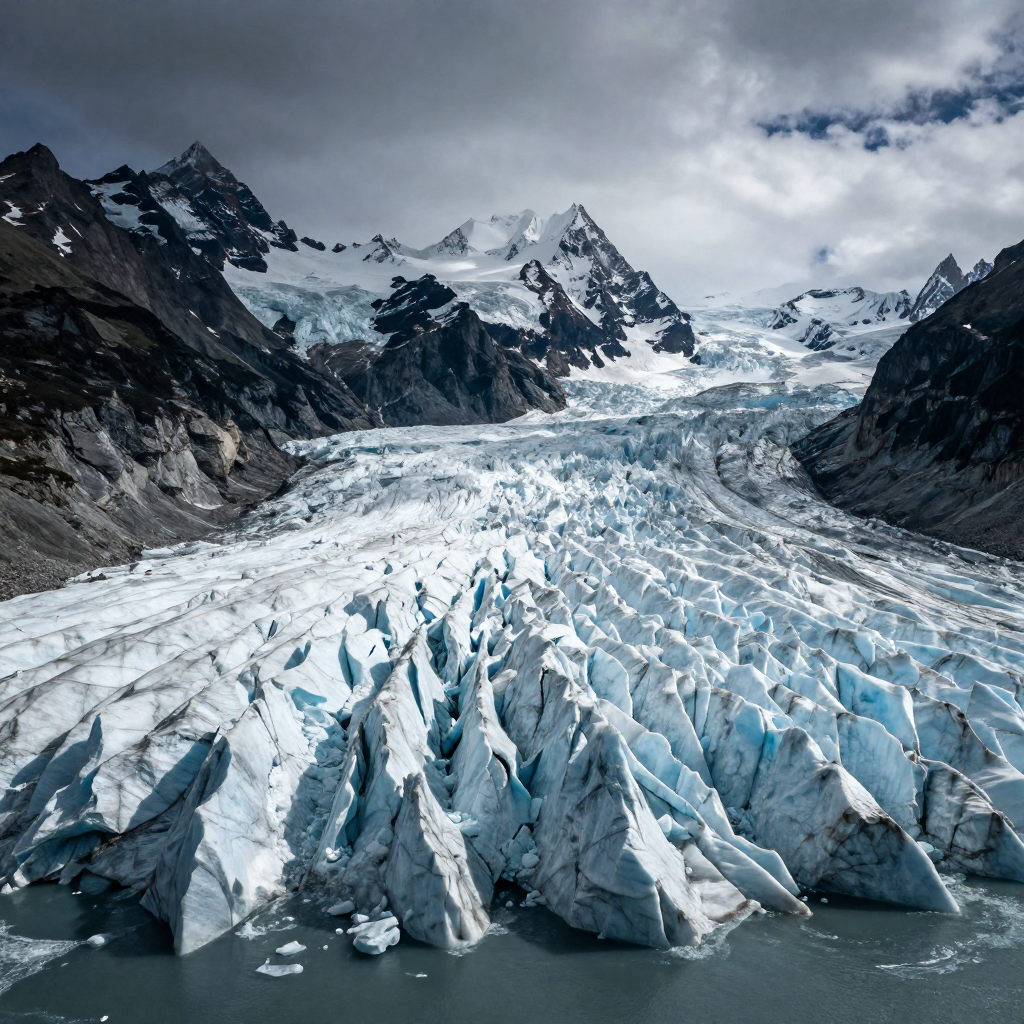
The Impact of Climate Change on Glaciers: A Stark Warning
Glaciers are one of the most visible indicators of climate change, and their rapid melting has far-reaching consequences for our planet. Rising global temperatures are causing glaciers to retreat at an alarming rate, leading to sea-level rise, changes in ocean currents, and disruptions to ecosystems worldwide.
The impacts of climate change on glaciers are multifaceted and interconnected. As glaciers melt, they release massive amounts of freshwater into the ocean, which can cause sea levels to rise by several inches. This, in turn, can lead to coastal erosion, flooding, and saltwater intrusion into freshwater sources.
Glaciers also play a crucial role in regulating Earth's climate by reflecting sunlight and storing carbon dioxide. When glaciers melt, they release this stored carbon into the atmosphere, exacerbating the greenhouse effect and contributing to further warming.
The consequences of climate change on glaciers are not limited to the environment. Human communities that rely on glaciers for freshwater, agriculture, and tourism are also severely impacted. Glacier-fed rivers provide essential water sources for millions of people, and their loss can have devastating effects on local economies and food systems.
Despite the urgency of the situation, there are steps that can be taken to mitigate the impacts of climate change on glaciers. Reducing greenhouse gas emissions, transitioning to renewable energy sources, and implementing sustainable land-use practices can all help to slow the rate of glacier melting.
However, the window for action is rapidly closing. The Intergovernmental Panel on Climate Change (IPCC) warns that we have just a decade to take drastic action to limit global warming to 1.5°C above pre-industrial levels. The fate of glaciers, and indeed our planet, hangs in the balance.
It is imperative that we take immediate and sustained action to address the impacts of climate change on glaciers. By working together, we can reduce greenhouse gas emissions, protect vulnerable communities, and preserve the natural beauty and ecological importance of glaciers for future generations.
What's Your Reaction?