The Art of Composting: Turning Waste into Wealth
Learn the art of composting and turn your food waste into a nutrient-rich soil amendment.
The Art of Composting: Turning Waste into Wealth
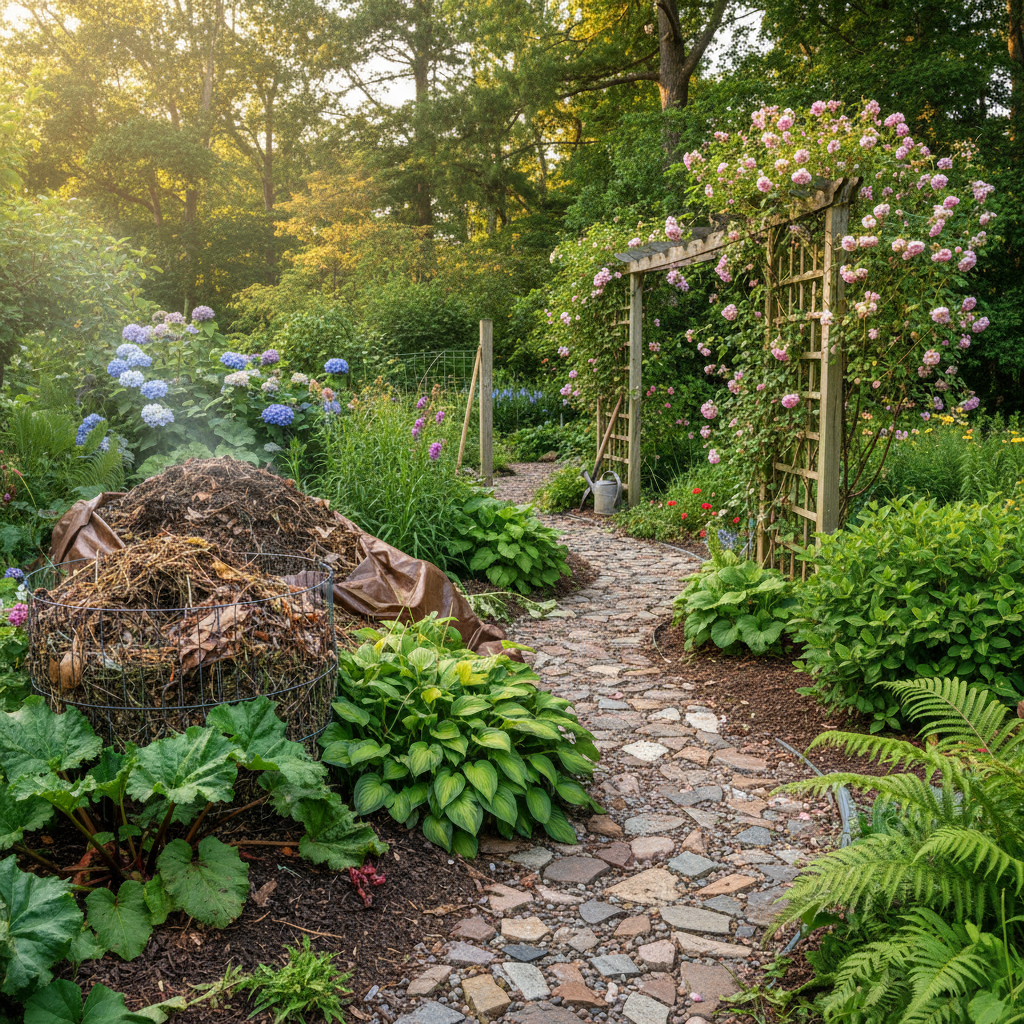
Composting is the process of breaking down organic materials such as food waste, leaves, and grass clippings into a nutrient-rich soil amendment. This natural process not only reduces waste but also creates a valuable resource for gardening and agriculture.
Composting involves a combination of microorganisms, oxygen, and moisture to decompose organic matter. The ideal composting environment is warm, moist, and well-ventilated, allowing microorganisms to thrive and break down materials efficiently.
There are several types of composting methods, including hot composting, cold composting, and vermicomposting. Hot composting involves actively managing the compost pile to maintain optimal temperatures, while cold composting allows materials to decompose slowly over time. Vermicomposting uses worms to break down organic matter.
The benefits of composting include reducing waste, conserving water, and improving soil health. Compost can also help reduce the need for synthetic fertilizers and pesticides, making it a more sustainable option for gardening and agriculture.
To start composting, collect organic materials such as food waste, leaves, and grass clippings. Add a mix of "green" materials like food waste and "brown" materials like leaves to create a balanced compost pile. Maintain a moisture level of about 60% and turn the pile regularly to ensure optimal decomposition.
Composting is a simple and effective way to reduce waste and create a valuable resource for gardening and agriculture. By understanding the art of composting, individuals can make a positive impact on the environment and improve their soil health.
What's Your Reaction?