Top 10 Ancient Indian Civilizations to Learn About: Unveiling the Secrets of the Past
Discover the fascinating history of ancient Indian civilizations, including the Indus Valley Civilization, the Vedic Period, and more.
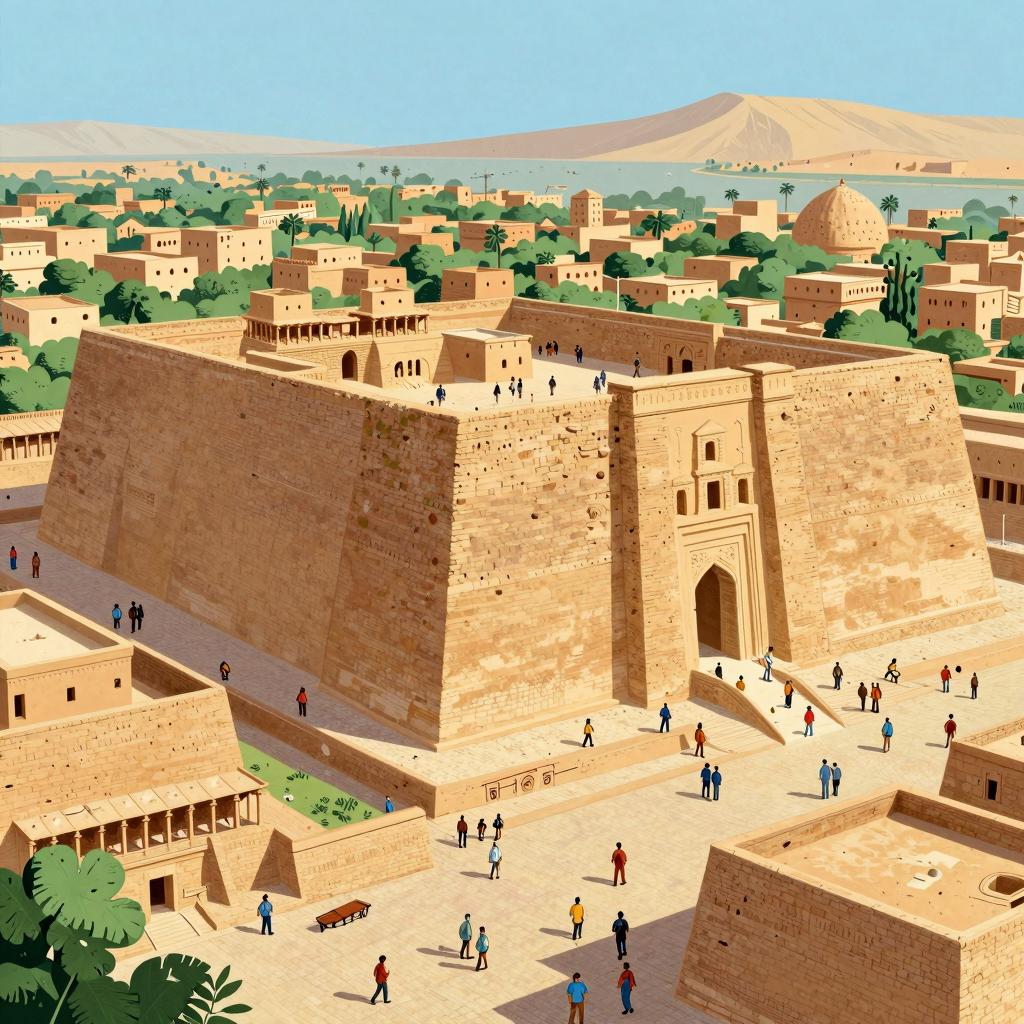
Exploring the Ancient Indian Civilizations that Shaped India's Rich Heritage
India's rich cultural heritage is a testament to the ingenuity and resilience of its ancient civilizations. From the Indus Valley Civilization to the Mauryan Empire, each civilization has left an indelible mark on the country's history. In this article, we will delve into the top 10 ancient Indian civilizations that you should know about.
The Indus Valley Civilization, which flourished around 3300-1300 BCE, is one of the most fascinating ancient Indian civilizations. This civilization is known for its sophisticated urban planning, architecture, and water management systems. The discovery of the Indus Valley Civilization has provided valuable insights into the lives of ancient Indians, including their social structure, economy, and culture.
The Vedic Period, which spanned from 1500-500 BCE, is another important ancient Indian civilization. This period saw the rise of the Vedic civilization, which is characterized by the composition of the Vedas, the oldest Hindu scriptures. The Vedic Period is also known for its emphasis on the importance of rituals, sacrifices, and the concept of dharma.
The Mauryan Empire, which was founded by Chandragupta Maurya in 322 BCE, is one of the most significant ancient Indian civilizations. This empire is known for its vast territorial expansion, administrative reforms, and economic prosperity. The Mauryan Empire also saw the rise of Buddhism, which would go on to play a significant role in Indian history.
The Gupta Empire, which ruled from 320-550 CE, is another important ancient Indian civilization. This empire is known for its cultural and economic achievements, including the development of mathematics, astronomy, and medicine. The Gupta Empire also saw the rise of great emperors like Samudragupta and Chandragupta II, who expanded the empire's territories and promoted trade and commerce.
The Harappan Civilization, which flourished around 2600-1900 BCE, is another ancient Indian civilization that is worth mentioning. This civilization is known for its sophisticated urban planning, architecture, and water management systems. The Harappan Civilization is also known for its unique script, which has not been deciphered yet.
The Satavahana Dynasty, which ruled from 230 BCE-220 CE, is another important ancient Indian civilization. This dynasty is known for its cultural and economic achievements, including the development of art, architecture, and literature. The Satavahana Dynasty also saw the rise of great emperors like Satakarni and Sivasvati, who expanded the empire's territories and promoted trade and commerce.
The Kushan Empire, which ruled from 60-375 CE, is another ancient Indian civilization that is worth mentioning. This empire is known for its cultural and economic achievements, including the development of Buddhism and the spread of Indian art and architecture to other parts of Asia.
The Pallava Dynasty, which ruled from 275-897 CE, is another important ancient Indian civilization. This dynasty is known for its cultural and economic achievements, including the development of art, architecture, and literature. The Pallava Dynasty also saw the rise of great emperors like Mahendravarman and Narasimhavarman I, who expanded the empire's territories and promoted trade and commerce.
The Chola Dynasty, which ruled from 300-1279 CE, is another ancient Indian civilization that is worth mentioning. This dynasty is known for its cultural and economic achievements, including the development of art, architecture, and literature. The Chola Dynasty also saw the rise of great emperors like Rajaraja I and Rajendra I, who expanded the empire's territories and promoted trade and commerce.
The Pandyan Dynasty, which ruled from 300 BCE-1363 CE, is another important ancient Indian civilization. This dynasty is known for its cultural and economic achievements, including the development of art, architecture, and literature. The Pandyan Dynasty also saw the rise of great emperors like Nedunjeliyan and Nedumaran, who expanded the empire's territories and promoted trade and commerce.
In conclusion, the top 10 ancient Indian civilizations are a testament to the country's rich cultural heritage. Each civilization has left an indelible mark on Indian history, and it is essential to learn about them to understand the country's past and present.
What's Your Reaction?