Why Experiential Travel Is Replacing Luxury Tourism
Discover how experiential travel is reshaping the tourism industry, offering authentic adventures over opulent stays, and why travelers are choosing meaningful experiences over luxury.
Why Experiential Travel Is Replacing Luxury Tourism
In recent years, the tourism landscape has shifted dramatically. While luxury hotels and private jets once symbolized success, a growing number of travelers now prioritize immersive, authentic experiences. This trend, known as experiential travel, is reshaping the industry by offering deeper cultural engagement, personal growth, and sustainable practices. Understanding why experiential travel is overtaking traditional luxury tourism can help destinations, travel agencies, and travelers alike adapt to this evolving market.
1. The Rise of Authenticity
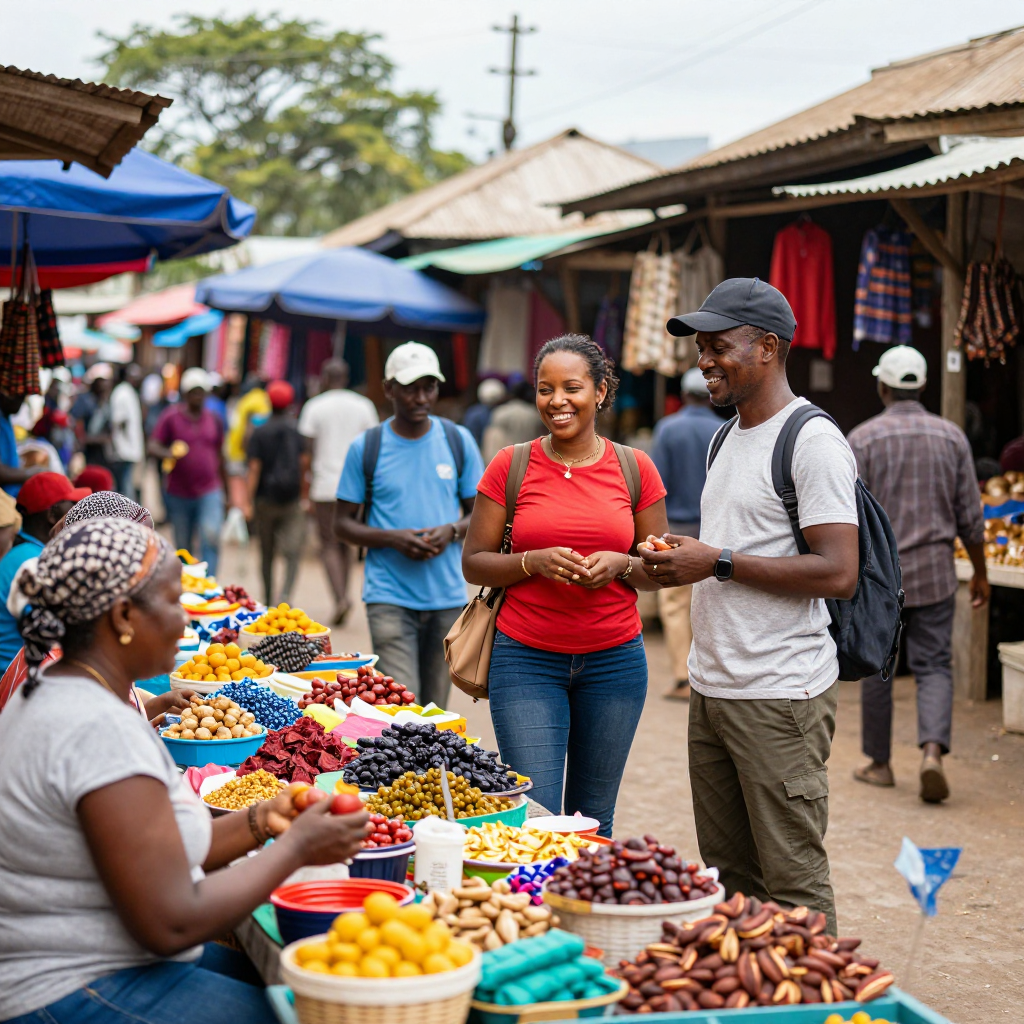
Modern travelers crave authenticity. Rather than staying in a polished resort, they seek genuine interactions with local communities. Experiential travel allows visitors to participate in cooking classes, craft workshops, and community festivals, providing a richer sense of place. This authenticity fosters a deeper connection, creating memories that outlast a luxury stay.
Key Drivers of Authenticity
- Social media influence: Instagram stories showcase real moments over staged luxury.
- Generational shift: Millennials and Gen Z prioritize meaning over material.
- Global connectivity: Easier access to local guides and cultural events.
2. Personal Growth and Well‑Being
Experiential travel often involves challenges, learning new skills, or volunteering. These activities promote personal growth and mental well‑being. Travelers report increased self‑confidence and reduced stress after engaging in outdoor adventures or community service. Luxury tourism, while comfortable, rarely offers the same transformative impact.
3. Sustainability and Ethical Considerations
Environmental awareness has become a cornerstone of modern travel. Experiential trips typically emphasize low‑impact practices, supporting local economies and preserving natural resources. Travelers are increasingly choosing tours that reduce carbon footprints, use local materials, and give back to communities. Luxury resorts, despite green initiatives, still rely on high energy consumption and extensive resource use.
4. Economic Impact on Local Communities
When tourists spend money on local experiences, the benefits remain within the community. Small businesses, artisans, and local guides gain direct income, fostering economic resilience. In contrast, luxury tourism often channels revenue to large hotel chains and international investors, limiting local empowerment.
5. The Role of Technology
Technology has democratized access to experiential travel. Mobile apps, virtual reality previews, and online booking platforms make it easier to discover niche activities. Travelers can now compare itineraries, read authentic reviews, and customize adventures, all while staying connected. Luxury travel, though technologically advanced, remains focused on high-end amenities rather than personalized local immersion.
6. Market Trends and Statistics
Recent surveys indicate that 68% of travelers prefer experiences that offer cultural immersion over luxury accommodations. Additionally, the experiential travel market is projected to grow at a CAGR of 12% over the next five years, outpacing traditional luxury tourism. These numbers reflect a clear shift in consumer preferences toward meaningful, sustainable travel.
7. Strategies for Destinations and Businesses
To capitalize on this shift, destinations and travel providers should:
- Partner with local communities to create authentic itineraries.
- Highlight sustainable practices and environmental impact.
- Offer personalized experiences tailored to individual interests.
- Use storytelling and social media to showcase real moments.
By embracing experiential travel, businesses can attract a new generation of conscious travelers who value depth over opulence.
Conclusion
Experiential travel is no longer a niche; it is redefining the tourism industry. Its focus on authenticity, personal growth, sustainability, and community impact resonates with today’s travelers. As the demand for meaningful experiences grows, luxury tourism must evolve or risk being sidelined. Embracing experiential travel offers a path to relevance, profitability, and positive global impact.
What's Your Reaction?