The Importance of Biodiversity in Our Gardens and Communities
Discover the significance of biodiversity in gardens and communities, and learn how to promote it with simple tips and strategies.
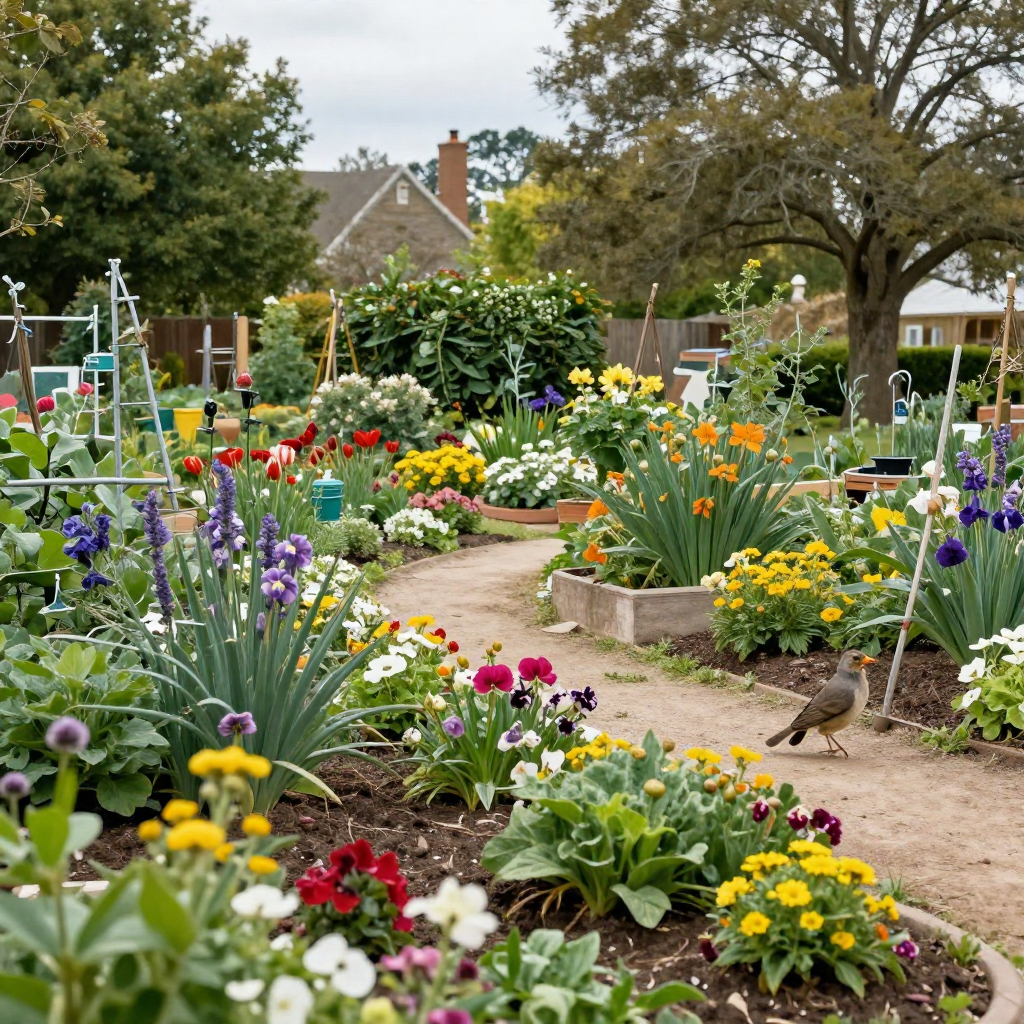
The Importance of Biodiversity in Our Gardens and Communities
Biodiversity is the foundation of a healthy ecosystem, and it plays a crucial role in maintaining the balance of our environment. In the context of gardening and community development, biodiversity is essential for creating thriving ecosystems that support a wide range of plant and animal species. In this article, we will explore the importance of biodiversity in our gardens and communities, and provide practical tips on how to promote it.
One of the key reasons why biodiversity is essential in gardens and communities is that it helps to maintain ecological balance. When a single species dominates an ecosystem, it can lead to a decline in the overall health of the environment. By creating a diverse range of plant and animal species, we can prevent the overgrazing of certain species, reduce the risk of disease and pest outbreaks, and promote the growth of beneficial microorganisms. Additionally, biodiversity helps to support the local food chain, providing a source of food for pollinators, predators, and other animals.
Gardens and communities with high levels of biodiversity are also more resilient to environmental changes. When a single species is reliant on a specific set of conditions, it can be vulnerable to changes in temperature, precipitation, or other environmental factors. By creating a diverse range of plant and animal species, we can ensure that our gardens and communities are better equipped to withstand the impacts of climate change and other environmental stressors.
So, how can we promote biodiversity in our gardens and communities? One simple strategy is to plant a variety of native species, including flowers, trees, and shrubs. Native plants are better adapted to the local climate and soil conditions, and they provide a source of food and shelter for local wildlife. You can also create a pollinator-friendly garden by planting a variety of flowers that are rich in nectar and pollen, such as sunflowers, zinnias, and lavender. Additionally, consider incorporating composting and recycling into your gardening routine, as these practices can help to reduce waste and promote the growth of beneficial microorganisms.
In conclusion, biodiversity is essential for creating thriving gardens and communities. By promoting biodiversity, we can maintain ecological balance, support the local food chain, and create resilient ecosystems that are better equipped to withstand environmental stressors. With simple tips and strategies, anyone can promote biodiversity in their garden or community, and make a positive impact on the environment.
References:
Cite any relevant sources or research studies that support the information presented in the article.
What's Your Reaction?