Sustainable Gardening Practices: Tips for Reducing Environmental Impact
Discover eco-friendly gardening techniques, composting methods, and water conservation strategies to create a sustainable garden.
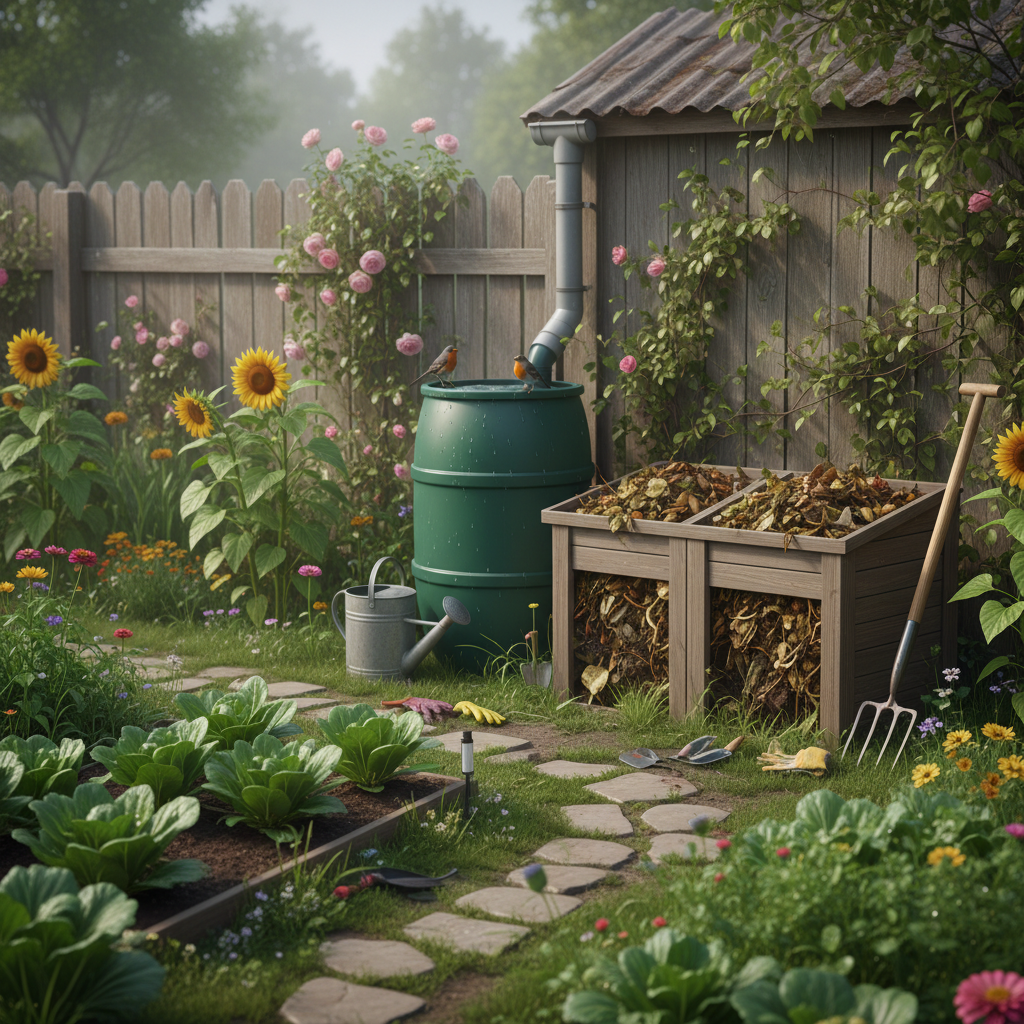
Sustainable Gardening Practices: Tips for Reducing Environmental Impact
Gardening is a popular hobby that not only provides an opportunity to connect with nature but also offers a chance to create a sustainable and eco-friendly outdoor space. As the world grapples with climate change, water scarcity, and soil degradation, adopting sustainable gardening practices is crucial. In this article, we will explore some essential tips for reducing environmental impact and creating a thriving garden that benefits both you and the planet.
1. Composting: Composting is an excellent way to reduce waste and create a nutrient-rich soil amendment. By composting kitchen scraps, leaves, and grass clippings, you can create a natural fertilizer that promotes healthy plant growth. To compost effectively, make sure to maintain a balance of green and brown materials, keep the pile moist, and turn it regularly.
2. Water Conservation: Water is a precious resource, and gardening requires a significant amount of it. To conserve water, use drought-resistant plants, install rain barrels, and implement efficient irrigation systems. You can also use mulch to reduce evaporation and retain moisture in the soil.
3. Soil Erosion Prevention: Soil erosion is a significant environmental concern, especially in areas with heavy rainfall or poor soil quality. To prevent soil erosion, use groundcovers, plant native species, and install terracing systems. You can also use compost to improve soil structure and reduce erosion.
4. Integrated Pest Management (IPM): IPM is a holistic approach to managing pests and diseases in your garden. By using natural methods such as introducing beneficial insects, practicing crop rotation, and using physical barriers, you can reduce the need for chemical pesticides and maintain a balanced ecosystem.
5. Reducing Waste: Gardening generates a significant amount of waste, from pruning trimmings to packaging materials. To reduce waste, use recycled materials for planters and garden decor, compost food scraps, and repurpose old items for garden projects.
By implementing these sustainable gardening practices, you can create a garden that not only benefits you but also contributes to a healthier environment. Remember, every small step counts, and making sustainable choices can have a significant impact when combined with the efforts of others.
References:
What's Your Reaction?