Sustainable Gardening Practices for a Greener Tomorrow: A Guide to Eco-Friendly Gardening
Discover sustainable gardening practices for a greener tomorrow, learn how to reduce your environmental impact and create a beautiful eco-friendly garden
Sustainable Gardening Practices for a Greener Tomorrow
Gardening is a great way to connect with nature and grow your own food, but it can also have a significant impact on the environment if not done sustainably.
From reducing water waste to using natural pest control methods, there are many ways to make your garden more eco-friendly.
In this article, we'll explore some of the best sustainable gardening practices for a greener tomorrow.
Use Rainwater Harvesting
Rainwater harvesting is a simple and effective way to collect and store rainwater for use in your garden.
You can install a rainwater harvesting system, which consists of a tank, a filter, and a pump.
This will allow you to collect and store rainwater, reducing your reliance on municipal water supplies and saving you money on your water bill.
Use Compost
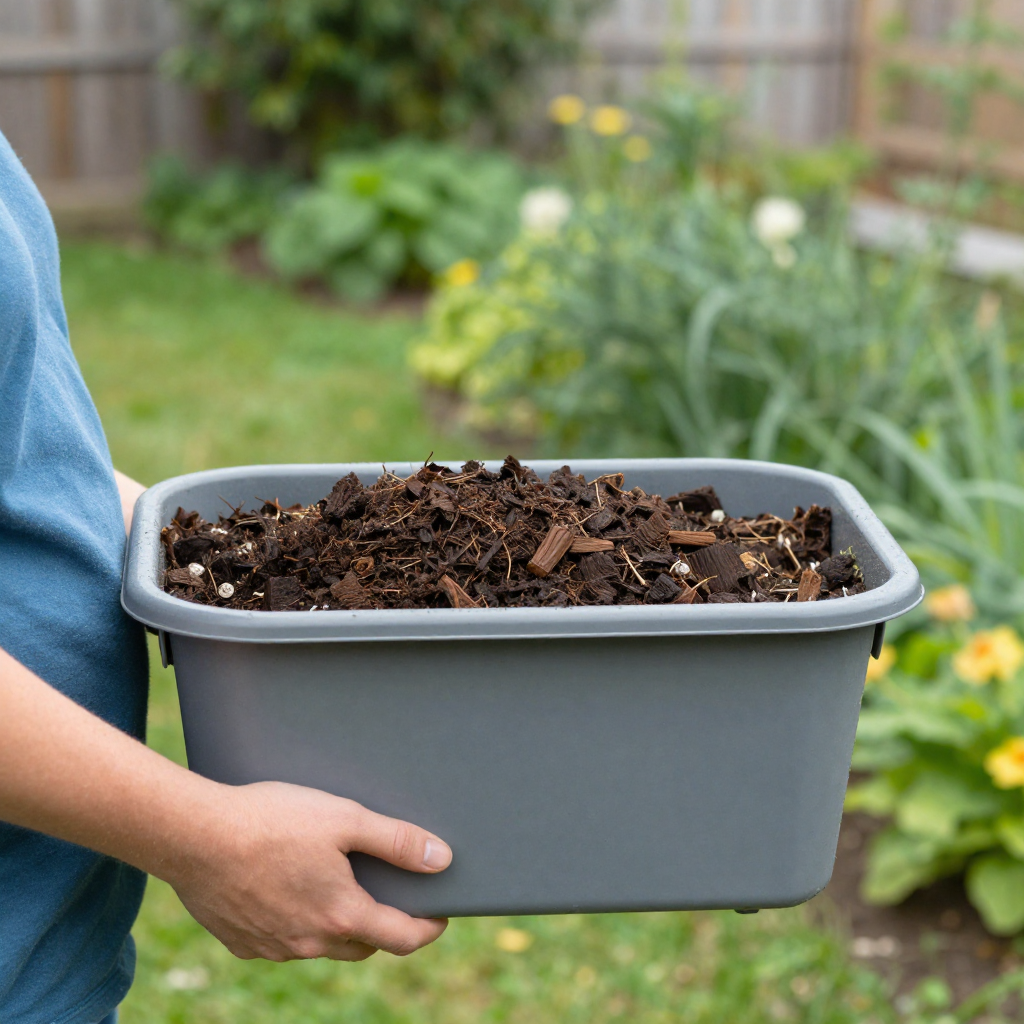
Composting is a natural way to recycle food waste and other organic materials into a nutrient-rich fertilizer for your garden.
Composting can help reduce the amount of waste sent to landfills and create a more sustainable gardening practice.
To start composting, you'll need a compost bin or pile, some brown materials like leaves or straw, and some green materials like food scraps or grass clippings.
Use Natural Pest Control Methods
Chemical pesticides can harm the environment and contaminate soil and water.
Instead, try using natural pest control methods like attracting beneficial insects, using neem oil, or introducing natural predators.
Use Drought-Tolerant Plants
Drought-tolerant plants are perfect for areas with low rainfall or water restrictions.
They require minimal watering and can thrive in a variety of conditions.
Some examples of drought-tolerant plants include succulents, cacti, and native wildflowers.
Use Mulch
Mulch is a layer of organic material like wood chips or bark that helps retain moisture in the soil and suppress weeds.
It can also add nutrients to the soil and improve its structure.
Get Involved in Your Community
Join a local gardening group or attend gardening workshops to learn from other gardeners and share your own knowledge.
This is a great way to connect with others who share your passion for sustainable gardening and learn new techniques.
Start Small
Don't try to change everything at once.
Start with one or two sustainable gardening practices and gradually work your way up to more.
This will help you build confidence and develop new skills without feeling overwhelmed.
Conclusion
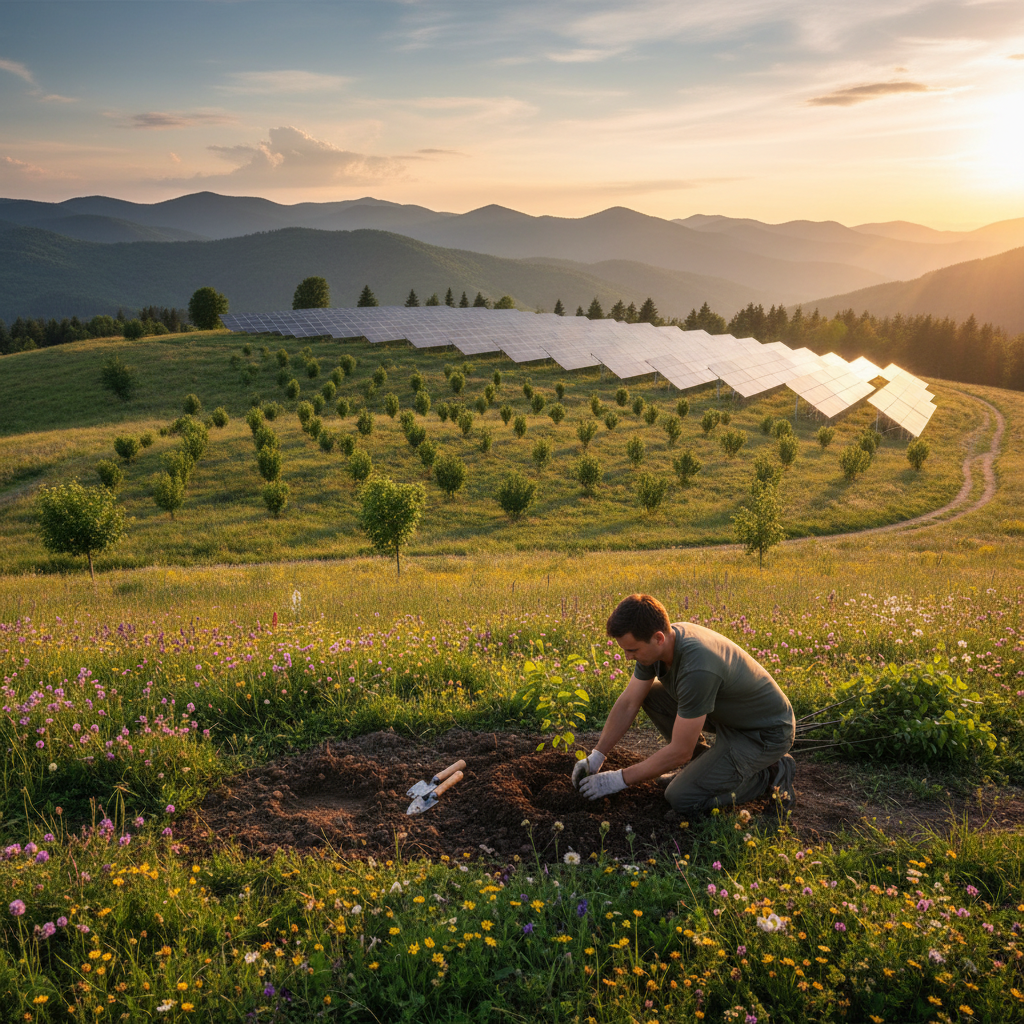
Sustainable gardening practices are essential for creating a greener tomorrow.
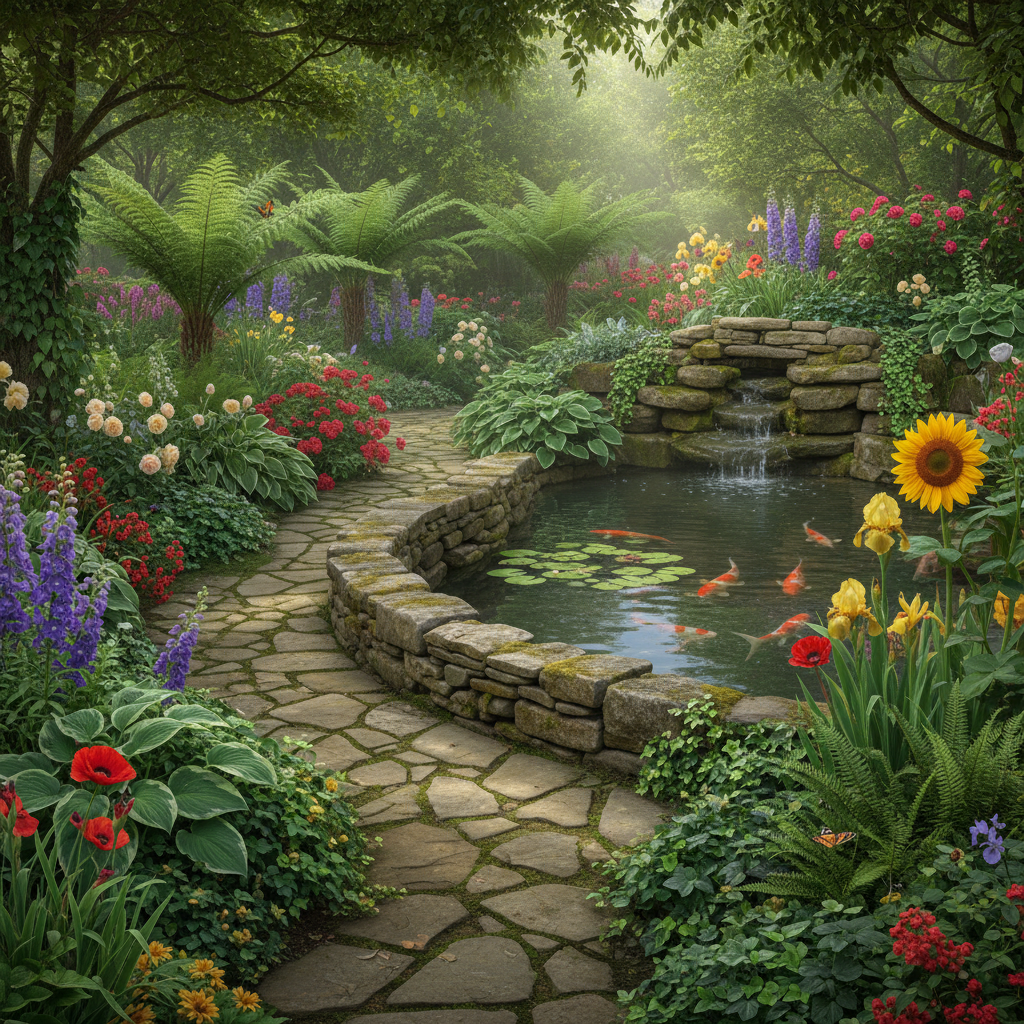
By following these tips and making a few simple changes to your gardening routine, you can reduce your environmental impact and create a beautiful, eco-friendly garden.
What's Your Reaction?