Investing Basics Everyone Should Understand Before Starting
Discover essential investing fundamentals, from setting goals and understanding risk to diversifying portfolios and choosing the right accounts. Start your investment journey with confidence.

Investing Basics Everyone Should Understand Before Starting
Starting an investment journey can feel overwhelming, but mastering a few core concepts can set you up for long‑term success. Whether you’re saving for retirement, a down payment, or simply building wealth, understanding these fundamentals will help you make informed decisions and avoid common pitfalls.
1. Define Clear Financial Goals
Before picking a stock or bond, ask yourself what you’re investing for. Short‑term goals—like a vacation—require different strategies than long‑term objectives such as retirement. Clear goals guide your asset allocation, time horizon, and risk tolerance.
Setting SMART Objectives
Use the SMART framework—Specific, Measurable, Achievable, Relevant, Time‑bound—to craft realistic targets. For example, “Save $20,000 for a home down payment in five years” is a concrete goal that can shape your investment plan.
2. Understand Risk and Return
All investments carry risk, and typically higher potential returns come with higher risk. Stocks tend to offer greater growth but can be volatile, while bonds provide stability but lower returns. Knowing your risk tolerance helps balance excitement with prudence.
Risk Tolerance Assessment
Most brokerage platforms offer quizzes to gauge how much volatility you can endure. If you’re uncomfortable with market swings, consider a more conservative mix of bonds and dividend‑paying stocks.
3. Diversify Your Portfolio
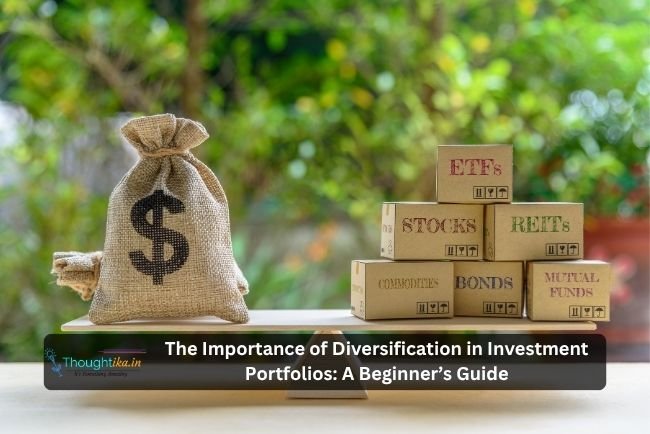
Don’t put all your eggs in one basket. Diversification spreads risk across different asset classes—stocks, bonds, real estate, and commodities—reducing the impact of a single investment’s poor performance.
Asset Allocation Strategies
Common approaches include age‑based rules (e.g., 100 minus your age gives the percentage in stocks) or a fixed split like 60% equities and 40% fixed income. Rebalance periodically to maintain your desired mix.
4. Choose the Right Investment Accounts
Tax‑advantaged accounts can boost your returns. In the U.S., IRAs, 401(k)s, and Roth accounts offer different tax benefits. If you’re outside the U.S., look for equivalent retirement or savings accounts.
Tax Efficiency Tips
Investing in index funds or ETFs within tax‑advantaged accounts reduces capital gains taxes. For taxable accounts, consider tax‑loss harvesting to offset gains.
5. Keep Costs Low
Fees erode returns over time. Compare expense ratios for mutual funds and ETFs, and watch out for transaction fees. Low‑cost index funds often outperform actively managed funds after fees.
Automatic Investing
Set up automated contributions to take advantage of dollar‑cost averaging. Regular, small deposits smooth out market timing and build wealth steadily.
6. Stay Informed but Avoid Over‑Trading
Educate yourself on market trends, but resist the urge to react to every headline. Frequent buying and selling can trigger unnecessary taxes and fees.
Long‑Term Mindset
History shows that markets tend to rise over decades. Patience, disciplined investing, and periodic rebalancing often yield the best outcomes.
7. Review and Adjust Your Plan
Life changes—marriage, children, career shifts—affect your financial goals. Schedule annual reviews to adjust your asset allocation and contribution levels.
By mastering these basics, you’ll build a solid foundation for a successful investment journey. Start with clear goals, understand risk, diversify wisely, choose the right accounts, keep costs low, stay disciplined, and review regularly. Your future self will thank you.
What's Your Reaction?