Important Historical Events That Still Impact Today’s World
Explore key historical events that shape modern society, from the Industrial Revolution to the digital age, and understand their lasting influence on politics, technology, and culture.
Important Historical Events That Still Impact Today’s World
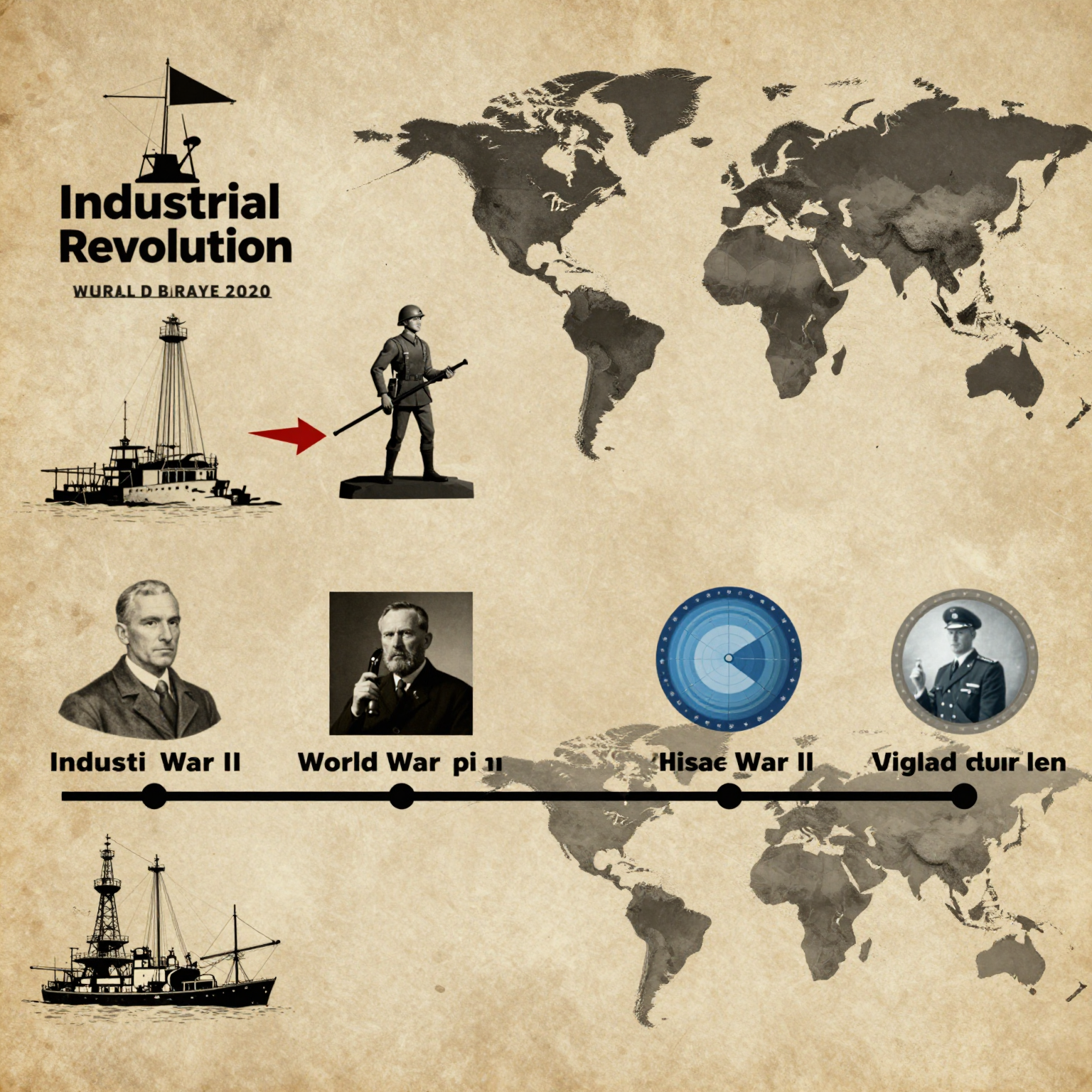
History is a living thread that weaves through every aspect of modern life. From the mechanization of production during the Industrial Revolution to the rise of the internet, each milestone has left an indelible mark on our society. This article examines five pivotal events that continue to shape politics, technology, and culture in the 21st century.
1. The Industrial Revolution (1760–1840)
The Industrial Revolution transformed agrarian economies into industrial powerhouses. Steam engines, textile mills, and railroads accelerated urbanization and created a new working class. Today’s global supply chains and mass manufacturing owe their origins to this era. The shift also sparked early labor movements, leading to modern workers’ rights and safety regulations.
Key Takeaways
• Mechanization increased productivity and created new job categories.
• Urban migration set the stage for contemporary metropolitan centers.
• Early labor laws laid groundwork for today’s workplace standards.
2. World War II (1939–1945)
World War II was a turning point that reshaped international relations and technology. The war’s end birthed the United Nations, the European Union, and the Cold War’s bipolar world. Scientific advancements such as radar, nuclear energy, and early computers emerged, accelerating post-war innovation.
Key Takeaways
• The United Nations now mediates global conflicts.
• The European Union promotes economic integration and free movement.
• Nuclear technology influences energy policy and geopolitical strategy.
3. The Civil Rights Movement (1950s–1960s)
The Civil Rights Movement challenged systemic racism and paved the way for equal rights. Landmark legislation like the Civil Rights Act of 1964 and the Voting Rights Act of 1965 dismantled segregation. These reforms continue to influence contemporary social justice movements and policy debates.
Key Takeaways
• Legal frameworks protect civil liberties and anti-discrimination.
• Grassroots activism remains a powerful tool for change.
• Ongoing discussions on reparations and equity stem from this era.
4. The Digital Revolution (1970s–Present)
The rise of personal computers, the internet, and mobile technology has revolutionized communication, commerce, and information access. From the first email to social media platforms, digital tools have reshaped how we work, learn, and connect.
Key Takeaways
• E-commerce now dominates retail sales worldwide.
• Remote work has become a standard practice post‑pandemic.
• Digital privacy concerns drive new regulations like GDPR.
5. Decolonization and the End of the British Empire (1945–1960s)
Following World War II, many colonies gained independence, reshaping global politics. New nations emerged, redefining borders and fostering diverse cultures. The legacy of colonialism still affects economic development, resource distribution, and international relations.
Key Takeaways
• Former colonies now hold significant cultural and economic influence.
• Trade agreements reflect historical ties and new partnerships.
• Post‑colonial studies inform contemporary discussions on identity and heritage.
In conclusion, these historical events are not merely past occurrences; they are living foundations that continue to influence our daily lives. Understanding their impact helps us navigate current challenges and build a more informed future.
What's Your Reaction?