Glacier Loss: A Stark Climate Warning and Call to Action for Sustainable Futures
Glacier loss is a stark climate warning, highlighting the urgent need for sustainable practices and climate action to preserve our planet's natural resources
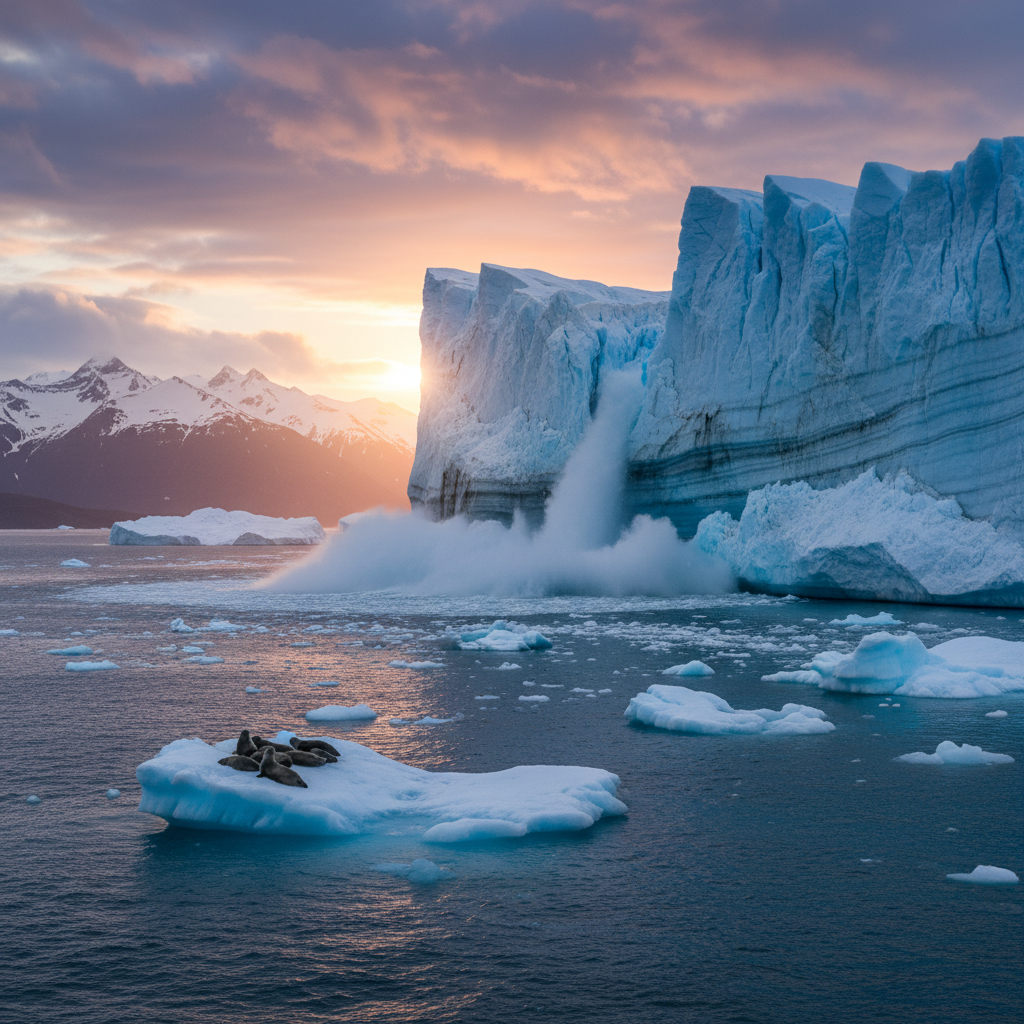
Glacier Loss: A Stark Climate Warning and Call to Action for Sustainable Futures
Glacier loss is a pressing concern that serves as a stark climate warning, underscoring the urgent need for climate action and sustainable practices to preserve our planet's natural resources. Glaciers, which store about 75% of the world's freshwater, are melting at an alarming rate due to rising global temperatures, primarily caused by human activities such as burning fossil fuels and deforestation.
The consequences of glacier loss are far-reaching, impacting not only the environment but also human societies and economies. As glaciers melt, sea levels rise, causing coastal erosion, flooding, and saltwater intrusion into freshwater sources. This, in turn, affects agriculture, fisheries, and human settlements, leading to food and water insecurity.
Moreover, glacier loss has significant economic implications, with the potential loss of $100 billion annually in economic benefits, including tourism, hydropower, and fisheries. The collapse of glaciers also threatens the stability of global food systems, as they provide a critical source of freshwater for agriculture.
To mitigate glacier loss, it is essential to adopt sustainable practices and climate action strategies. This includes reducing greenhouse gas emissions, transitioning to renewable energy sources, and promoting environmentally friendly land-use practices. Governments, businesses, and individuals must work together to address the root causes of climate change and preserve our planet's natural resources.
One of the most effective ways to slow glacier loss is through reforestation and afforestation efforts. Trees play a crucial role in absorbing carbon dioxide from the atmosphere, which helps to reduce greenhouse gas emissions and slow the rate of glacier melting. Additionally, restoring natural habitats and protecting vulnerable ecosystems can help to preserve biodiversity and maintain ecosystem services.
It is time for collective action to address the pressing issue of glacier loss. By working together, we can mitigate the impacts of climate change and preserve our planet's natural resources for future generations. The future of our planet depends on it.
What's Your Reaction?